 By Lauren Holland
Updated November 2026
A 2000w portable backup power supply can keep a refrigerator running, a CPAP machine charged and a sump pump cycling during a grid outage, but only if you match the unit’s watt-hour capacity and output rating to what you actually plug in. This guide compares five models built around that 2000-watt class. We weighed published specifications, brand reputation and the patterns owners tend to describe in their feedback, with a focus on how each unit handles real household loads. Our criteria were usable watt-hours, continuous and surge output, battery chemistry, charging options and how well the design suits home backup rather than camping alone.
Our top picks at a glance
- 1
 TOP CHOICEBest overallAnker SOLIX C1000 Gen 2 Solar Powered GeneratorView on Amazon
- 2
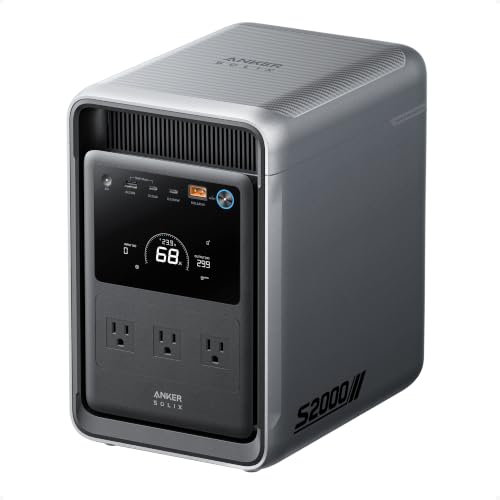 TOP CHOICEBest for whole-home essentialsAnker SOLIX S2000 Solar Powered GeneratorView on Amazon
- 3
 TOP CHOICEBest for high-output toolsJackery Explorer 2000 v2 Portable Power StationView on Amazon
- 4
 Best for small kitchensPortable Power Station 1000W (2000W Peak) LiFePO4 Solar GeneratorView on Amazon
- 5
 Best budget pickEnginStar Portable Power Station 300W 296Wh Solar GeneratorView on Amazon
Our Top Picks
| Product | Best for | Key feature |
|---|---|---|
| Anker SOLIX C1000 Gen 2 | Overall backup with solar option | 1,024Wh LiFePO4 battery, 2,000W rated output |
| Anker SOLIX S2000 | Whole-home essentials | 2,010Wh capacity, 1,500W output |
| Jackery Explorer 2000 v2 | High-output tools and appliances | 2,042Wh capacity, 2,200W AC output |
| Portable Power Station 1000W (2000W Peak) | Small kitchens and compact spaces | 576Wh LiFePO4, 14.8 lb, pure sine wave |
| EnginStar Portable Power Station 300W | Budget backup for CPAP and phones | 296Wh capacity, 80,000mAh backup battery |
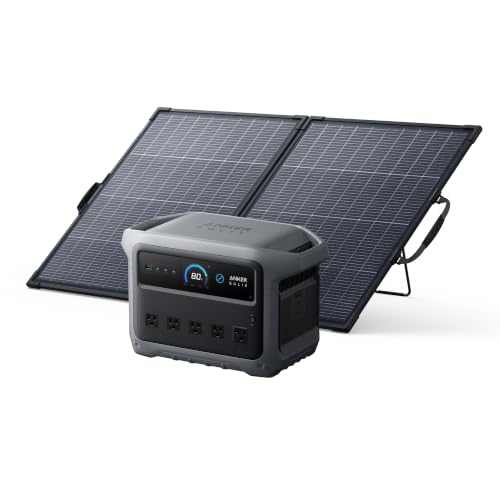
Anker SOLIX C1000 Gen 2 Solar Powered Generator
Anker SOLIX C1000 Gen 2 Solar Powered Generator | 1,024Wh LiFePO4 Battery, Full Charge in 49 Min, 2,000W Portable Power Station (Peak 3,000W) for UPS, Outdoor, Emergency Use
Best for: Overall backup with a solar option
This unit suits homeowners who want a balanced mix of capacity, output and recharge speed for short to medium outages. It is a reasonable first purchase for someone covering a refrigerator, lights, a router and a few phones.
Key specs If you want more background, see 7 Best DIY Portable Solar Power Generator Options for Camping and Backup.
- 1,024Wh LiFePO4 battery
- 2,000W rated output (3,000W peak)
- Listed full-charge time of about 49 minutes under the stated conditions
Pros
- Enough capacity to cover a refrigerator for several hours
- LiFePO4 chemistry is generally associated with longer cycle life than older lithium-ion designs
- Solar input supports extended outages when paired with panels
Cons
- Runtime drops quickly with high-draw appliances like space heaters
- Solar panels are sold separately, so the full setup costs more than the unit alone
Bottom line: A strong default choice for households that need reliable everyday backup and may add solar later.
View on AmazonAnker SOLIX S2000 Solar Powered Generator
Anker SOLIX S2000 Solar Powered Generator , 2,010Wh, 1,500W | 2,010Wh LiFePO4 Battery, 1,500W Output, Portable Power Station for Home Backup, Outdoor and Emergency Use
Best for: Whole-home essentials
This model fits households that want more stored energy than a typical 1,000Wh unit, especially for overnight outages where a refrigerator, medical device and internet equipment all need to run together.
Key specs
- 2,010Wh LiFePO4 battery
- 1,500W rated output
Pros
- Roughly double the stored energy of a 1,000Wh unit
- Output is sufficient for most standard household appliances
- Suitable for outdoor and emergency use as well as home backup
Cons
- Heavier and bulkier than smaller units, making it less convenient to move
- Lower continuous output than the Jackery Explorer 2000 v2 for demanding tools
Bottom line: Best for buyers who want longer runtime for essential loads and are willing to trade portability for capacity.
View on AmazonJackery Explorer 2000 v2 Portable Power Station
Jackery Explorer 2000 v2 Portable Power Station, 2042Wh, 2200W AC Output | LiFePO4 Battery, USB-C PD 100W Fast Charging, Solar Generator for Emergencies, Power Outages, Camping (Solar Panel Optional)
Best for: High-output tools and appliances
This unit is aimed at users who run power tools, larger kitchen appliances or multiple devices at once and need a higher continuous AC output than most units in this class provide.
Key specs
- 2,042Wh LiFePO4 battery
- 2,200W AC output
- USB-C PD 100W fast charging port
Pros
- High AC output handles heavier loads than many competitors
- Large capacity for multi-day essentials planning
- USB-C PD 100W input and output support fast charging of laptops and phones
Cons
- Considerably heavier, so it stays in one spot once installed
- Solar panels are optional and sold separately
Bottom line: The right choice when you need both capacity and output headroom for tools or larger appliances.
View on AmazonPortable Power Station 1000W (2000W Peak) LiFePO4 Solar Generator
Portable Power Station 1000W(2000W Peak), 576Wh LiFePO4 Solar Generator | 14.8lb, 9-Port Pure Sine Wave, 1.4H Solar Fast Charge, 11Yr Lifespan, Home Emergency Outage RV Camping , Solar Panel Excluded
Best for: Small kitchens and compact spaces
This lighter unit suits apartments and small homes where storage space is limited and the goal is to keep a few critical loads running through short outages.
Key specs
- 576Wh LiFePO4 battery
- 1000W rated output (2000W peak)
- Weighs about 14.8 lb
Pros
- Light enough to move between rooms easily
- Nine output ports cover multiple devices at once
- Listed as pure sine wave, which suits sensitive electronics
Cons
- Limited capacity means a refrigerator will run only a few hours
- Not suited to sustained high-draw appliances
Bottom line: A practical fit for small spaces that need light backup for phones, lights, a router and a small fridge.
View on AmazonEnginStar Portable Power Station 300W 296Wh Solar Generator
EnginStar Portable Power Station 300W 296Wh Solar Generator | Pure Sine Wave AC Outlet for Outdoors Camping Travel and Emergency Blackout, 80000mAh Backup Battery Power Supply for CPAP
Best for: Budget backup for CPAP and phones
This is the most modest unit in the lineup and suits users with low-power needs, such as a CPAP machine, phones, a laptop and LED lighting during overnight outages.
Key specs
- 296Wh capacity
- 300W output
- Pure sine wave AC outlet
Pros
- Pure sine wave output is suitable for CPAP machines
- Compact and inexpensive to replace or add to a second unit
- Good for keeping communication devices charged
Cons
- Not sized for a refrigerator or sump pump
- Runtime on higher-draw devices is short
Bottom line: Best for light-duty backup where the priority is medical equipment and communication, not whole-house loads.
View on AmazonBuying Guide
Usable Watt-Hour Capacity
Watt-hours tell you how much energy the battery stores. Divide the watt-hours by the average load in watts to estimate runtime, then reduce the result by roughly 15 to 20 percent to account for inverter losses. A 1,000Wh unit running a 100W refrigerator will last well under the naive ten hours.
Good picks for this: Anker SOLIX S2000, Jackery Explorer 2000 v2
Continuous and Surge Output
Check the continuous rating first, then the surge rating. Refrigerator and sump pump compressors draw a startup spike several times their running wattage. A unit with a 2,000W continuous rating and 3,000W peak handles that spike more comfortably than one rated only for 1,000W.
Good picks for this: Anker SOLIX C1000 Gen 2, Portable Power Station 1000W (2000W Peak)
Battery Chemistry
LiFePO4 batteries are commonly associated with longer cycle life and better thermal stability than standard lithium-ion chemistries. For a backup unit that may sit charged for months and cycle occasionally, this matters more than peak energy density.
Good picks for this: Anker SOLIX C1000 Gen 2, Jackery Explorer 2000 v2
Pure Sine Wave Output
Medical devices, variable-speed motors and some electronics perform better on pure sine wave power. Look for explicit pure sine wave wording in the specifications, especially if a CPAP machine is part of your backup plan.
Good picks for this: EnginStar Portable Power Station 300W, Portable Power Station 1000W (2000W Peak)
Recharge Options
Wall charging is the baseline, but solar input and car charging extend how long you can operate during a prolonged outage. Check the maximum solar input wattage and whether panels are included or sold separately, since that changes the real cost of the setup.
Good picks for this: Anker SOLIX C1000 Gen 2, Anker SOLIX S2000
Size, Weight and Placement
A unit over 40 pounds is difficult to carry down stairs alone. Decide whether it will live in a garage, basement or closet, then confirm ventilation space around the vents and that you can reach it during a storm.
Good picks for this: Portable Power Station 1000W (2000W Peak), EnginStar Portable Power Station 300W
Port Count and Connectivity
Count the devices you need to charge at once. USB-C PD ports matter for laptops and phones, while multiple AC outlets help when several loads run together. A unit with nine ports can save you from daisy-chaining power strips, which is generally discouraged on backup systems.
Good picks for this: Portable Power Station 1000W (2000W Peak), Jackery Explorer 2000 v2
FAQ
Can a 2000W portable power supply run a whole house?
Not in most homes. A 2000W unit can power essential circuits such as a refrigerator, lights, a router and a medical device, but central air, electric water heaters and electric ranges draw far more than most units can supply or store. Consult an electrician for a load assessment before relying on any portable unit for critical equipment.
How long will a 2000W unit run a refrigerator?
Runtime depends on capacity and the refrigerator’s actual draw. A typical modern refrigerator averages well under 200W over a day, so a 2,000Wh unit may cover it for a day or more, while a 576Wh unit will cover it for less. Measure your appliance with a plug-in energy meter for an accurate figure.
Is a CPAP machine safe to run on a portable power station?
Many CPAP owners use portable power stations, but the device should use pure sine wave power and run within the unit’s rated output. Confirm the machine’s wattage on its label and speak with your sleep physician or equipment supplier before depending on a battery for overnight therapy.
Can a portable power supply run a sump pump?
Yes, if the unit can handle the pump’s startup surge. Check the pump’s running and locked-rotor amperage, then compare against the unit’s surge rating. Sump pumps are critical during flooding, so test the setup before a storm season.
Do I need solar panels with a 2000W unit?
Solar is optional. It extends how long you can run during multi-day outages, but it adds cost and setup time. If you have a sunny location and expect long outages, solar input is worth considering. Otherwise wall charging may be enough.
Is it safe to run a portable power station indoors?
Most units are designed for indoor use, but they still need airflow. Keep vents clear, do not place the unit on carpet or near flammable materials, and never run it in a closed garage or enclosed space where exhaust from a generator could accumulate. Follow the manufacturer’s guidance for placement.
Conclusion
For most households, the Anker SOLIX C1000 Gen 2 is a balanced starting point, and the Anker SOLIX S2000 suits buyers who want longer runtime for essential loads. The Jackery Explorer 2000 v2 fits users who need high output for tools or larger appliances. The 1000W compact unit suits small spaces, and the EnginStar 300W works for CPAP and communication devices. Match the watt-hours to your critical loads first, then confirm output and surge ratings before you buy.
Sources
- Guidance on home energy use, backup planning and electricity demand (energy.gov)
- Product safety information for portable power equipment and battery use (cpsc.gov)
- Emergency preparedness advice for power outages and household supplies (ready.gov)
Related reading
- Portable Battery Backup Power Supply for Home: 6 Best Picks for Outages (2026)
- Jackery Portable Power Supply: How to Size One for Home Backup (2026)
- 7 Best Portable Backup Power Supplies for Home Picks for Outages in 2026
- 6 Best Jackery Explorer 300 Portable Power Station Models for Home Backup (2026)
- 5 Best Jackery Portable Power Station Models for Home Backup (2026)
- Whole Home Battery Backup Power Supply: 7 Best Picks for Outages (2026)
About Lauren Holland
Lauren Holland is part of our editorial team and reviews and edits our solar generators for home backup & emergencies guides, checking product details against manufacturer specifications and owner feedback.