
 By Lauren Holland
Updated November 2026
A portable battery backup power supply for home use keeps essentials like a refrigerator, a CPAP machine, a sump pump, or a Wi-Fi router running when the grid goes down. The right unit depends on how much energy your devices draw, how long you need them to run, and whether you want to recharge from a wall outlet, a car, or solar panels. This guide compares six products across capacity, output power, outlet types, and typical use cases, then explains how to size a unit for your own outage plan. Each pick is matched to a specific need, so you can skip the models that don’t fit your home.
Our top picks at a glance
- 1
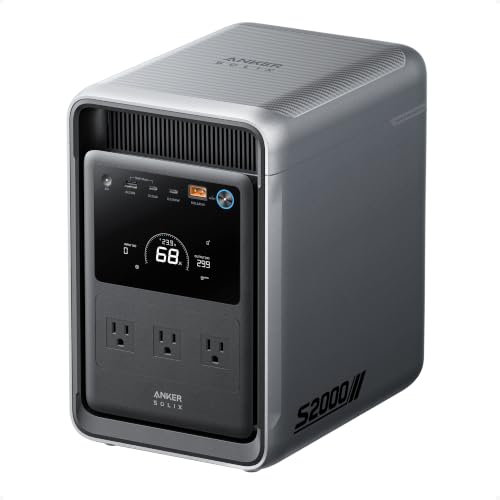 TOP CHOICEBest overallAnker SOLIX S2000 Solar Powered GeneratorView on Amazon
- 2
 TOP CHOICEBest for whole-room backupJackery Explorer 1000 v2 Portable Power StationView on Amazon
- 3
 TOP CHOICEBest for CPAP at nightEnginStar Portable Power Station 300W 296Wh Solar GeneratorView on Amazon
- 4
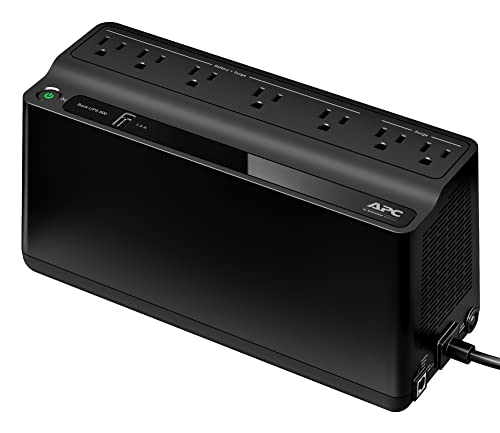 Best for home office and networkingAPC UPS Battery Backup & Surge Protector BE600M1View on Amazon
- 5
 Best budget pickPowkey Portable Power Station 200W 146WhView on Amazon
- 6
 Best compact surge-protected UPSCyberPower EC450G Ecologic Battery BackupView on Amazon
Our Top Picks
Quick Comparison
| Product | Best for | Key feature |
|---|---|---|
| Anker SOLIX S2000 Solar Powered Generator | Multi-day home backup | 2,010Wh LiFePO4 battery with 1,500W output |
| Jackery Explorer 1000 v2 Portable Power Station | Running a fridge and lights together | 1024Wh LiFePO4 battery with 1500W output |
| EnginStar Portable Power Station 300W 296Wh Solar Generator | CPAP and small electronics | Pure sine wave AC outlet |
| APC UPS Battery Backup & Surge Protector BE600M1 | Computer, router, and modem | Replaceable battery and surge protection |
| Powkey Portable Power Station 200W 146Wh | Light loads and a budget | 120V AC outlet in a compact body |
| CyberPower EC450G Ecologic Battery Backup | Desk-level electronics | ECO mode and eight outlets |
Anker SOLIX S2000 Solar Powered Generator
Anker SOLIX S2000 Solar Powered Generator , 2,010Wh, 1,500W | 2,010Wh LiFePO4 Battery, 1,500W Output, Portable Power Station for Home Backup, Outdoor and Emergency Use
We also found 7 Best DIY Home Solar Systems with Battery Backup Compared in 2026 useful on this point.
Best for: Multi-day home backup
This is the highest-capacity unit in this list and suits households that want to keep a refrigerator, a few lights, and charging running through a long outage. It is aimed at homeowners who plan for storms or winter ice events rather than short blackouts.
Key specs
- 2,010Wh LiFePO4 battery capacity
- 1,500W continuous AC output
- Designed for solar input as well as wall charging
Pros
- Large capacity covers many essential loads for a day or more
- LiFePO4 chemistry is generally associated with a long cycle life
- Solar input supports recharging when the grid is out
Cons
- Heavier than smaller units, so it is less convenient to move
- Full-home backup is still out of reach at this capacity
Bottom line: Pick this if you want the most runtime in a single portable unit and can keep it stored near where you need power.
View on AmazonJackery Explorer 1000 v2 Portable Power Station
Jackery Explorer 1000 v2 Portable Power Station, 1024Wh LiFePO4 Battery | 1500W (3000W Peak), 50-Min Fast Charge, 10ms UPS Solar Generator for Home Emergency, Camping & RV.
Best for: Whole-room backup
Owners often use this type of unit to run a refrigerator, a few lamps, and phone charging at the same time. It fits households that want a balance of capacity and portability.
Key specs
- 1024Wh LiFePO4 battery
- 1500W output with 3000W peak
- Listed UPS switchover of about 10ms
Pros
- Enough output for most refrigerators and small appliances
- Fast-charge listing reduces recharge time
- Quick switchover suits sensitive electronics
Cons
- Runtime on a refrigerator will be shorter than on lighting-only loads
- Not suited to high-draw appliances like electric heaters
Bottom line: A strong middle-ground choice for most households that need fridge and lighting coverage during short outages.
View on AmazonEnginStar Portable Power Station 300W 296Wh Solar Generator
EnginStar Portable Power Station 300W 296Wh Solar Generator | Pure Sine Wave AC Outlet for Outdoors Camping Travel and Emergency Blackout, 80000mAh Backup Battery Power Supply for CPAP
Best for: CPAP and small electronics
This compact unit is meant for light, steady loads. It suits users who need overnight power for a CPAP machine, phone, and small lamp rather than a full kitchen circuit.
Key specs
- 296Wh capacity
- 300W AC output with pure sine wave
- Designed for solar input
Pros
- Pure sine wave output is generally preferred for medical and sensitive devices
- Small footprint for bedside or closet storage
- Solar input option for longer outages
Cons
- Capacity is limited for anything beyond light loads
- Not appropriate for refrigerators or sump pumps
Bottom line: A practical choice for overnight CPAP use, but confirm your machine’s wattage with your medical provider before relying on it.
View on AmazonAPC UPS Battery Backup & Surge Protector BE600M1
APC UPS Battery Backup & Surge Protector BE600M1 for Computer, Router, NAS | 600VA/330W Backup Battery Power Supply for Power Outages, 7 Outlets, USB charging, 490 J surge protect. Replaceable Battery
Best for: Home office and networking
This is a line-interactive UPS rather than a full portable power station. It protects a computer, router, and modem during brief outages and surges, and is meant for desk-level equipment.
Key specs
- 600VA / 330W capacity
- 7 outlets including battery-backed and surge-only
- 490 J surge energy rating
Pros
- Protects against surges as well as brief outages
- Replaceable battery extends service life
- USB charging ports for phones and tablets
Cons
- Runtime is short and not meant for appliances
- Output is too low for CPAP or refrigeration
Bottom line: The right pick for keeping a home office online through brief blackouts, not for whole-home backup.
View on AmazonPowkey Portable Power Station 200W 146Wh
Portable Power Station 200W, Rechargeable Battery Powered with AC Outlet | Powkey 146Wh Solar Generator with 120V AC Outlet, Lithium Battery Pack Backup Power Supply for Camping Travel Outdoor Home
Best for: Light loads on a budget
This smaller battery pack suits people who want a simple backup for phones, lamps, a fan, or a small router. It is a budget-oriented option rather than a heavy-duty backup unit.
Key specs
- 146Wh lithium battery
- 200W AC output with a 120V outlet
Pros
- Light and easy to store
- Simple plug-in operation
- Covers basic device charging during short outages
Cons
- Low capacity limits runtime for anything beyond small electronics
- Not suited to refrigerators or medical equipment
Bottom line: A sensible entry point for light backup needs, but step up in capacity if you need overnight coverage for anything important.
View on AmazonCyberPower EC450G Ecologic Battery Backup
CyberPower EC450G Ecologic Battery Backup & Surge Protector UPS System, 450VA/260W, 8 Outlets, ECO Mode, Compact Uninterruptible Power Supply
Best for: Compact surge-protected UPS
This compact UPS is designed for desk setups and entertainment centers. It offers eight outlets and an ECO mode that reduces idle battery drain, making it useful for protecting several small devices at once.
Key specs
- 450VA / 260W capacity
- 8 outlets
- ECO mode for lower standby consumption
Pros
- Eight outlets handle several devices at once
- ECO mode can reduce unnecessary battery use
- Compact footprint fits a desk or shelf
Cons
- Low output rules out most household appliances
- Runtime is limited for anything beyond short outages
Bottom line: Best for protecting a compact set of electronics, not for keeping major home loads running.
View on AmazonBuying Guide
Capacity in watt-hours
Capacity is the total energy a unit stores, measured in watt-hours (Wh). To estimate runtime, divide the battery’s Wh by the device’s wattage, then account for conversion losses of roughly 10 to 20 percent. A 1,000Wh unit running a 100W load would give you roughly 8 to 9 hours in practice. Check the appliance label or manufacturer specs for real draw, because running wattage and starting (surge) wattage differ.
Good picks for this: Anker SOLIX S2000 Solar Powered Generator, Jackery Explorer 1000 v2 Portable Power Station
AC output and surge capacity
Continuous output must meet or exceed the combined running wattage of everything you plan to connect. Motors, like those in refrigerators and sump pumps, can draw two to three times their running wattage at startup. Confirm the peak rating before buying, not just the continuous rating.
Good picks for this: Jackery Explorer 1000 v2 Portable Power Station, Anker SOLIX S2000 Solar Powered Generator
Waveform and sensitive electronics
Pure sine wave output matches the clean power from a utility outlet and is generally recommended for CPAP machines, medical devices, and sensitive electronics. Modified sine wave output can cause problems with some devices. Look for pure sine wave in the specifications.
Good picks for this: EnginStar Portable Power Station 300W 296Wh Solar Generator, APC UPS Battery Backup & Surge Protector BE600M1
Outlets and connectivity
Count the devices you need to plug in and make sure the unit has enough AC outlets, plus USB-A and USB-C ports for phones and tablets. A UPS-style unit with surge protection is useful for computers and networking gear because it switches over quickly during an outage.
Good picks for this: CyberPower EC450G Ecologic Battery Backup, APC UPS Battery Backup & Surge Protector BE600M1
Recharge options
Most portable units recharge from a wall outlet. Some also accept solar input, which matters for multi-day outages when the grid is down. Solar recharging depends on panel wattage, sunlight, and weather, so treat it as a supplement rather than a guarantee.
Good picks for this: Anker SOLIX S2000 Solar Powered Generator, EnginStar Portable Power Station 300W 296Wh Solar Generator
Portability and storage
Units in the 1,000Wh class and above are heavier and harder to move between rooms. Consider where the unit will live during normal times and how quickly you need to move it during an outage. A smaller unit may be more practical for an apartment.
Good picks for this: Powkey Portable Power Station 200W 146Wh, EnginStar Portable Power Station 300W 296Wh Solar Generator
Battery chemistry and care
Lithium iron phosphate (LiFePO4) batteries are commonly associated with longer cycle life than some other lithium chemistries. Store the unit in a cool, dry place and keep it partially charged during long periods of non-use, following the manufacturer’s storage guidance. Avoid storing it fully discharged.
Good picks for this: Jackery Explorer 1000 v2 Portable Power Station, Anker SOLIX S2000 Solar Powered Generator
FAQ
How long will a portable battery backup power supply for home run a refrigerator?
A typical refrigerator averages roughly 100 to 200 watt-hours per day, depending on age, size, and how often the door is opened. A 1,000Wh unit may run a fridge for several hours to about a day, though the actual result varies. Check your appliance’s energy label for a better estimate.
Can a portable power supply run a CPAP machine overnight?
Many CPAP machines draw modest power, but runtime depends on the model, humidifier use, and battery capacity. Confirm your device’s wattage with your medical provider or the manufacturer, and consult a professional before relying on backup power for medical equipment.
What is the difference between a UPS and a portable power station?
A UPS is designed for short switchover during outages and surge protection, usually for computers and networking gear. A portable power station has a larger battery and more AC output for appliances and longer runtime.
Is pure sine wave output necessary?
Pure sine wave output matches the power from a standard outlet and is generally recommended for medical equipment, some electronics, and motor-driven appliances. Check your device manual to see whether it specifies pure sine wave.
Can I run a sump pump on a portable battery?
A sump pump has a high startup surge, so the unit’s surge rating matters more than its continuous wattage. Check the pump’s running and starting wattage and make sure the unit can handle both. Consult a professional electrician for installation questions.
How do I recharge a portable power station during a long outage?
Options include solar panels, a car charger where supported, or a generator with a safe connection. Never run a gasoline generator indoors or in an attached garage, because carbon monoxide can build up quickly.
Conclusion
For multi-day home backup with the most runtime, the Anker SOLIX S2000 Solar Powered Generator is the strongest fit in this list. For balanced whole-room coverage, the Jackery Explorer 1000 v2 Portable Power Station is a practical middle choice. For overnight CPAP use, the EnginStar Portable Power Station 300W 296Wh Solar Generator suits light, steady loads, while the APC UPS Battery Backup & Surge Protector BE600M1 and CyberPower EC450G Ecologic Battery Backup are better for protecting desk electronics than for running appliances. Match capacity and output to your actual loads, and verify wattage before you buy.
Sources
- Guidance on home energy use, electricity basics, and preparing for power outages (energy.gov)
- Consumer safety guidance on portable generators, batteries, and electrical products (cpsc.gov)
- Emergency preparedness planning, including how to prepare for extended power outages (ready.gov)
Related reading
- Jackery Portable Power Supply: How to Size One for Home Backup (2026)
- Home Backup Battery Power Supply: How to Size One for Outages (2026)
- Best Battery Backup Power Supply for Home: 6 Factors to Choose Right (2026)
- Top 5 Home Emergency Battery Backup Power Picks for Outages (2026)
About Lauren Holland
Lauren Holland is part of our editorial team and reviews and edits our solar generators for home backup & emergencies guides, checking product details against manufacturer specifications and owner feedback.




