
 By Lauren Holland
Updated November 2026
Choosing a portable backup power supply for home use comes down to one question: how many watt-hours will your essential loads actually consume during an outage? This guide compares seven portable power stations that suit home backup, from compact units that can run a CPAP overnight to larger LiFePO4 systems that can keep a refrigerator, lights and a sump pump going for a day or more. Our selection weighed rated capacity, continuous AC output, surge handling, battery chemistry, expandability, and the consistency of owner feedback about charging speed and reliability. None of these picks were bench-tested by us; the specifications come from manufacturer listings and published product information.
Our top picks at a glance
- 1
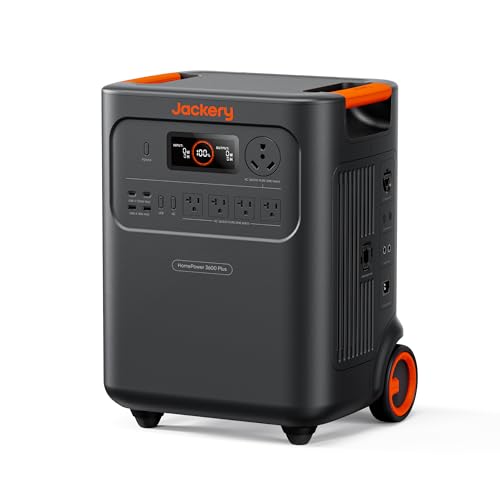 TOP CHOICEBest overallJackery HomePower 3600 PlusView on Amazon
- 2
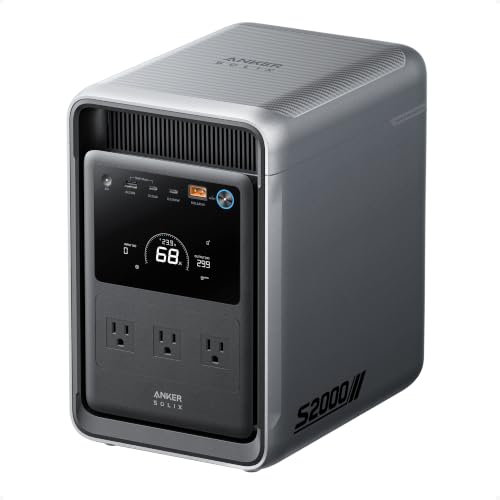 TOP CHOICEBest for whole-essentials backupAnker SOLIX S2000View on Amazon
- 3
 TOP CHOICEBest for sump pump and fridge combosJackery Explorer 1000 v2View on Amazon
- 4
 Best for CPAP overnight useEnginStar Portable Power Station 300WView on Amazon
- 5
 Best for light loads and phonesPowkey Portable Power Station 200WView on Amazon
- 6
 Best budget pickDaran Portable Power Station 89.6WhView on Amazon
- 7
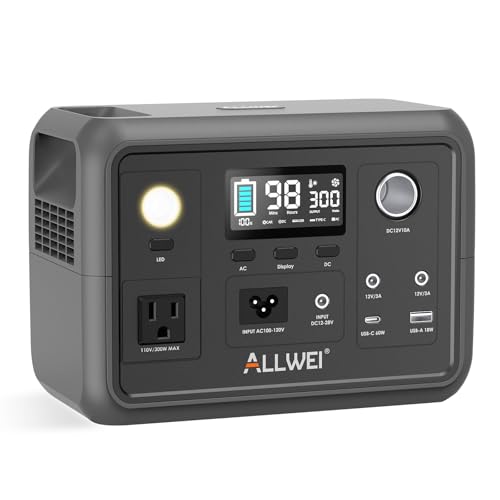 Best compact optionALLWEI Portable Power Station 300WView on Amazon
Our Top Picks
Quick Comparison
| Product | Best for | Key feature |
|---|---|---|
| Jackery HomePower 3600 Plus | Whole-essentials backup | 3,584Wh capacity, 3,600W AC output |
| Jackery Explorer 1000 v2 | Fridge and sump pump combos | 1,024Wh LiFePO4, 10ms UPS switchover |
| Anker SOLIX S2000 | Whole-essentials backup | 2,010Wh LiFePO4, 1,500W output |
| EnginStar Portable Power Station 300W | CPAP overnight use | 296Wh, pure sine wave AC outlet |
| Powkey Portable Power Station 200W | Light loads and phones | 146Wh, 120V AC outlet |
| Daran Portable Power Station 89.6Wh | Budget pick | 89.6Wh LiFePO4, PD fast charging |
| ALLWEI Portable Power Station 300W | Compact option | 256Wh LiFePO4, MPPT and BMS protection |
Jackery HomePower 3600 Plus
Jackery HomePower 3600 Plus Power Station, 3584Wh, 3600W AC Output | LFP Battery, Expandable to 21kWh, Solar Generator, Essential Home Backup for Home Use, Emergencies, RV (Solar Panel Optional)
Best for: Whole-essentials backup
This is the largest unit on the list and is aimed at households that want to power a refrigerator, freezer, lighting, internet gear and medical equipment through a multi-day outage. It also suits people who plan to add capacity later.
Key specs
- Capacity: 3,584Wh
- AC output: 3,600W
- Battery chemistry: LFP
- Expandable to 21kWh per the listing
Pros
- High capacity suits multi-appliance backup
- Expandable battery capacity for longer outages
- LFP chemistry is generally associated with long cycle life
Cons
- Heavy and not easy to carry between rooms
- Full capacity is a larger investment in both size and setup
Bottom line: A strong pick for households that need to keep most of the house running and want room to expand.
View on AmazonJackery Explorer 1000 v2
Jackery Explorer 1000 v2 Portable Power Station, 1024Wh LiFePO4 Battery | 1500W (3000W Peak), 50-Min Fast Charge, 10ms UPS Solar Generator for Home Emergency, Camping & RV.
Best for: Fridge and sump pump combos
Suited to homeowners who need a mid-sized battery for a refrigerator, a few lights and a sump pump, with a UPS-style switchover for sensitive electronics.
Key specs
- Capacity: 1,024Wh LiFePO4
- Continuous AC output: 1,500W (3,000W peak)
- Listed fast-charge time of about 50 minutes
- 10ms UPS switchover per the listing
Pros
- Enough output for typical motor loads
- Fast recharging compared with many units this size
- Well-documented brand with a broad accessory ecosystem
Cons
- A refrigerator plus a sump pump can drain it within a day
- Weight makes it more of a stationary unit
Bottom line: A practical choice for a fridge and sump pump setup if you can manage your load carefully.
View on AmazonAnker SOLIX S2000
Anker SOLIX S2000 Solar Powered Generator , 2,010Wh, 1,500W | 2,010Wh LiFePO4 Battery, 1,500W Output, Portable Power Station for Home Backup, Outdoor and Emergency Use
Best for: Whole-essentials backup
Aimed at households that want a large LiFePO4 battery with 1,500W continuous output for a broader set of appliances during outages.
Key specs
- Capacity: 2,010Wh LiFePO4
- Output: 1,500W
Pros
- Large capacity for the size class
- LiFePO4 battery chemistry
- Designed with home emergency use in mind
Cons
- Output may not cover high-draw appliances like electric dryers or large AC units
- Substantial weight for a portable unit
Bottom line: A good middle option for households that want more runtime than a 1,000Wh-class unit offers.
View on AmazonEnginStar Portable Power Station 300W
EnginStar Portable Power Station 300W 296Wh Solar Generator | Pure Sine Wave AC Outlet for Outdoors Camping Travel and Emergency Blackout, 80000mAh Backup Battery Power Supply for CPAP
Best for: CPAP overnight use
Designed for light, steady loads such as a CPAP machine, phone charging and a small fan. Owners often use it as a bedside backup rather than a whole-house solution.
Key specs
- Capacity: 296Wh
- AC output: 300W
- Pure sine wave AC outlet
Pros
- Pure sine wave output suits medical and electronic devices
- Compact enough for a nightstand
- Useful for multi-hour CPAP runtime
Cons
- Too small for a refrigerator running continuously
- Runtime depends heavily on CPAP humidifier settings
Bottom line: A sensible pick for someone who mainly needs overnight power for a CPAP. Confirm your device’s wattage with a clinician or the equipment maker before relying on it.
View on AmazonPowkey Portable Power Station 200W
Portable Power Station 200W, Rechargeable Battery Powered with AC Outlet | Powkey 146Wh Solar Generator with 120V AC Outlet, Lithium Battery Pack Backup Power Supply for Camping Travel Outdoor Home
Best for: Light loads and phones
A lightweight option for keeping phones, routers, LED lights and small devices running during short outages.
Key specs
- Capacity: 146Wh
- AC output: 120V outlet, rated 200W
Pros
- Light and easy to move
- Covers basic electronics well
- Simple to operate
Cons
- Limited capacity for anything beyond short outages
- Not suitable for a refrigerator or sump pump
Bottom line: Best for short outages and small electronics rather than appliance backup.
View on AmazonDaran Portable Power Station 89.6Wh
Daran Portable Power Station 89.6Wh LiFePO4 Battery 100W(200W Peak) Solar Power Bank, Portable Charger Small Generator with AC Outlets & PD Fast Charging for Home/Laptop/Camping(Solar Panel Optional)
Best for: Budget pick
Suits people who want a small backup for phones, a router and a few lights, with a budget-friendly entry point into the category.
Key specs
- Capacity: 89.6Wh LiFePO4
- Output: 100W (200W peak)
- PD fast charging
Pros
- Very portable
- LiFePO4 chemistry at this size
- Supports USB-C PD charging
Cons
- Capacity is too small for CPAP overnight use in most cases
- Limited output for anything with a motor
Bottom line: A low-commitment option for minimal backup needs and charging on the go.
View on AmazonALLWEI Portable Power Station 300W
ALLWEI Portable Power Station 300W, 256Wh Solar Generator LiFePO4 Battery | Pure Sine Wave AC Outlet, PD 60W Fast Charging, MPPT & BMS Protection, Compact for Camping Outdoor Home Backup Emergency CPA
Best for: Compact option
A compact unit for people who want pure sine wave output and basic protection features in a small footprint.
Key specs
- Capacity: 256Wh LiFePO4
- AC output: 300W, pure sine wave
- PD 60W fast charging, MPPT and BMS protection per the listing
Pros
- Compact and light
- Pure sine wave output
- Built-in battery protection features
Cons
- Runtime is short for anything beyond a CPAP or electronics
- Not sized for a refrigerator
Bottom line: Suits people who want a compact, pure sine wave unit for light household backup.
View on AmazonBuying Guide
Capacity in watt-hours
Watt-hours (Wh) tell you how much energy the battery holds. To estimate runtime, add up the wattage of each device you plan to run, multiply by how many hours it will run per day, and divide your battery’s Wh by that total. Then reduce the result by about 10–20% to account for conversion losses in the inverter.
Good picks for this: Jackery HomePower 3600 Plus, Anker SOLIX S2000
Continuous output and surge rating
Continuous wattage must cover your running loads at the same time. Motors, such as those in refrigerators and sump pumps, draw a higher surge on startup, so check the peak rating as well. A unit that handles the running wattage but not the surge can shut down the moment a pump kicks on.
Good picks for this: Jackery Explorer 1000 v2, Anker SOLIX S2000
Pure sine wave output
Many medical devices and sensitive electronics perform best on pure sine wave power. Check the listing for this specification, especially if you plan to run a CPAP or medical equipment.
Good picks for this: EnginStar Portable Power Station 300W, ALLWEI Portable Power Station 300W
Battery chemistry
LiFePO4 (LFP) batteries are generally associated with a longer cycle life and better thermal stability than some other lithium chemistries. Owners often prefer LFP for stationary home backup because the battery is used repeatedly over years.
Good picks for this: Jackery HomePower 3600 Plus, Daran Portable Power Station 89.6Wh
Recharge options and speed
Consider how you will recharge: wall outlet, car adapter or solar input. Faster charging matters if you expect back-to-back outages. Check whether the unit accepts solar input if that is part of your plan.
Good picks for this: Jackery Explorer 1000 v2, Powkey Portable Power Station 200W
Size, weight and placement
A unit that holds a large battery is often heavy. If you plan to move it between rooms or to a garage during storms, weight matters. Keep the unit in a dry, ventilated location away from direct heat.
Good picks for this: ALLWEI Portable Power Station 300W, Daran Portable Power Station 89.6Wh
Expandability and long-term use
Some systems can add battery modules later. If your needs may grow, look for expansion options and confirm they are sold for the specific model you choose.
Good picks for this: Jackery HomePower 3600 Plus, Anker SOLIX S2000
FAQ
Can a portable power station run a whole house?
Most portable units cannot power an entire home. They are better suited to essential circuits such as a refrigerator, lights, medical equipment and communications. Whole-home backup typically requires a permanently installed system with a transfer switch, which should be installed by a licensed electrician.
How long will a portable backup power supply run a CPAP?
Runtime depends on the CPAP model, humidifier and settings. Divide the battery’s watt-hours by your device’s average draw, then reduce for inverter losses. Confirm the figure with your equipment maker or a sleep medicine clinician before relying on backup power during an outage.
Can I run a refrigerator on a portable power station?
Yes, but a refrigerator draws a significant surge on startup and cycles on and off through the day. A mid-size battery can keep it running for many hours, but a small unit will drain quickly. Check the unit’s surge rating against your refrigerator’s startup draw.
Is LiFePO4 better than other lithium batteries for home backup?
LiFePO4 batteries are generally associated with longer cycle life and improved thermal stability, which suits repeated home use. Other lithium chemistries can still perform well, so compare cycle-life specifications and warranty terms.
Can a portable power station keep a sump pump running?
A sump pump can run on a portable unit if the output and surge ratings cover its draw. Because sump pumps often run during the storms that cause outages, plan for enough capacity to cover heavy-rain periods. A licensed plumber or electrician can help you confirm the pump’s requirements.
Should I consult a professional before using backup power at home?
Yes. Connecting any backup power to household circuits, or running medical equipment on battery power, carries safety considerations. A licensed electrician or your medical provider can advise on safe setup.
Conclusion
For most whole-essentials backup, the Jackery HomePower 3600 Plus and Anker SOLIX S2000 provide the most room. The Jackery Explorer 1000 v2 suits a fridge and sump pump setup if you manage your load carefully. For CPAP use, the EnginStar Portable Power Station 300W is designed around that kind of steady, light draw. The Powkey Portable Power Station 200W and ALLWEI Portable Power Station 300W cover electronics and short outages, while the Daran Portable Power Station 89.6Wh is the most minimal option. Match the watt-hour capacity and surge rating to your actual loads, not to the largest number on the box.
Sources
- Guidance on home energy use, electricity demand and planning for power outages (energy.gov)
- Safety recommendations for portable generators and battery-powered equipment (cpsc.gov)
- Emergency preparedness guidance for home power outages (ready.gov)
Related reading
- Jackery Portable Power Supply: How to Size One for Home Backup (2026)
- Solar Power Generator Portable: 5 Best Picks for Home Backup (2026)
- Solar Backup Power Supply for Home: How to Size It for Outages (2026)
- Jackery Explorer 1000 V2 Portable Power Station: A Buyer's Guide for Home Backup
- Home Backup Power Supply: How to Size One for Outages (2026)
- Home Backup Battery Power Supply: How to Size One for Outages (2026)
About Lauren Holland
Lauren Holland is part of our editorial team and reviews and edits our solar generators for home backup & emergencies guides, checking product details against manufacturer specifications and owner feedback.




