 By Lauren Holland
Updated November 2026
Christmas gifts for home backup users in the US work best when they solve a real outage problem: keeping a fridge cold, a CPAP running overnight, or a sump pump moving water. This guide walks you through how to match a gift to the person’s setup, which categories tend to be most useful, and what to check before you buy. The goal is a present that gets used during the next storm, not one that sits in a closet.
Start With How Your Recipient Actually Loses Power
Before you shop, find out what the person’s backup setup already looks like. A gift for someone with a small portable power station is very different from one for a household with a generator transfer switch and a battery wall unit. Ask a few direct questions, or look at what they mention when outages come up.
Shopping for one? See our guide: 6 Best Solar Powered Generators for Home Backup Compared (2026).
- Which devices matter most during an outage: refrigerator, freezer, CPAP, well pump, sump pump, medical equipment, Wi-Fi router, phone charging?
- Do they already own a portable power station, generator, or inverter?
- Do they have a dedicated outlet or transfer switch, or do they run cords from the device?
- Do they live somewhere with frequent winter storms, ice, or long grid outages?
- Are they comfortable with electrical work, or would they need a licensed electrician for installation?
Your answers point to the right category. A renter with a CPAP has different needs than a homeowner with a well pump.
Match the Gift to the Outage Need
Portable Power Stations for Essentials
Portable power stations are the most common backup gift in this niche. They store energy in a battery and output it through AC outlets, USB ports, and DC ports. Capacity is listed in watt-hours (Wh), so a unit rated at 1,000 Wh can theoretically run a 100-watt device for about 10 hours before accounting for conversion losses. Manufacturers typically specify usable output below the rated capacity, so expect less in practice.
If the recipient mainly needs to charge phones, run a router, and power LED lights, a smaller unit is enough. For a CPAP, a refrigerator, or a sump pump, look at the running wattage and surge rating of the device, not just the battery size. A sump pump, for example, can draw a large surge when it starts. Check the device label and the power station’s surge rating before assuming a match.
Extra Batteries or Expansion Packs
If the recipient already owns a power station, a compatible expansion battery is often more useful than a new unit. Many lines of portable stations offer add-on batteries that connect to the main unit. Confirm compatibility by model number before buying, because expansion packs are not always interchangeable across product lines.
Solar Panels
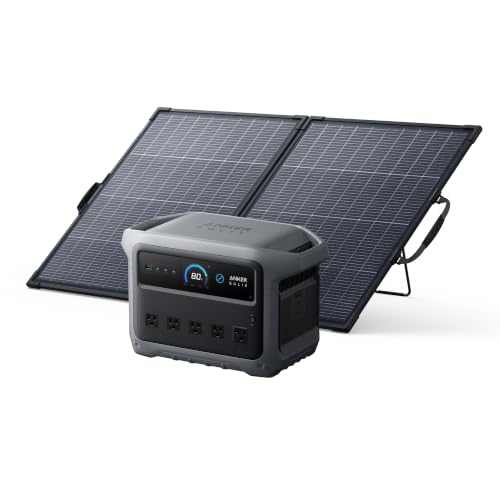
Solar panels can extend runtime during multi-day outages, but they are not a replacement for planning. Output depends on sun angle, season, cloud cover, and panel orientation. Winter days in northern states can be short, so solar recharging may be slower than the battery drain. A solar kit makes the most sense for someone who already owns a compatible station and has a sunny mounting location.
Cables, Adapters, and Transfer Gear
Small accessories often get the most use. A heavy-gauge extension cord rated for outdoor use, a surge-protected power strip, a set of USB-C and car-adapter cables, and a few 12V cigarette-lighter cords are inexpensive additions that make a backup system easier to run. For anything that involves connecting a generator or power station to household wiring, the gift should be a consultation with a licensed electrician, not a DIY kit.
Fuel and Storage
For gas or dual-fuel generators, a fuel stabilizer, a labeled approved gas can, and a fuel log can prevent the most common failures. Gasoline degrades over time, so stabilizer is essential for fuel stored more than a few weeks. Store fuel outdoors or in a detached structure, never indoors.
Comfort and Cold-Weather Gear
Not every outage gift needs electricity. Rechargeable LED lanterns, a battery-powered weather radio, wool blankets, hand warmers, and a cold-weather sleeping bag can all make a multi-day outage easier. These work well as a bundle with a smaller power station.
Checklist Before You Buy
- List the devices the recipient wants to keep running, with their wattage from the label.
- Check whether any device has a high startup surge (compressors, pumps, some medical machines).
- Confirm the outlet types and whether the recipient needs an adapter or inverter.
- Check the recipient’s existing gear for compatibility before buying add-ons.
- Decide whether the gift is portable, fixed, or fuel-based, and make sure it suits their space and ventilation.
- Keep the receipt and warranty information, since most units carry manufacturer warranties.
- Include a short note on how to charge the unit before the first outage.
Sizing Example
Here is a simple way to estimate needs for a basic outage kit. Values are illustrative; always check device labels.
| Device | Typical running watts | Notes |
|---|---|---|
| Wi-Fi router and modem | 10 to 25 W | Low draw, easy to keep running |
| LED lights (several) | 5 to 15 W each | Use LEDs, not incandescent |
| Phone charging | 10 to 20 W | Use USB-C where possible |
| CPAP machine | 30 to 90 W (varies) | Check the label; some models are lower |
| Refrigerator | 100 to 200 W running, higher on startup | Compressor surge matters |
| Sump pump | 500 to 1,000 W, higher on startup | Verify surge rating before buying |
A recipient who only needs phones, Wi-Fi, and LED lights can use a much smaller power station than one who needs to run a refrigerator through a long outage. For medical equipment, confirm the requirements with the device manufacturer and a healthcare provider.
Recommended Gear
- EcoFlow Delta 2 portable power station: a mid-size unit that many owners use for phones, routers, lights, and small appliances during short outages. View on Amazon
- Jackery Explorer portable power station: a widely sold line of portable stations, useful for recipients who want a simple plug-in backup for essentials. View on Amazon
- Heavy-duty outdoor extension cord: a rated outdoor cord makes it safer to run power from a station to a device placed outside the house or through a window. View on Amazon
- Fuel stabilizer for gasoline: keeps stored fuel usable for generator backup. View on Amazon
Common Mistakes
- Buying by battery size alone. Watt-hours tell you how much energy is stored, but output wattage and surge rating decide whether a device will run at all.
- Ignoring startup surge. Refrigerators, pumps, and some tools draw much more power at startup than they do while running.
- Connecting a power station directly to house wiring. Backfeeding a home circuit without a proper transfer switch is dangerous to utility workers and can damage equipment. Use a licensed electrician.
- Storing gasoline indoors. Fuel vapors are flammable. Store fuel outdoors, away from living spaces, and label containers.
- Forgetting to charge. A power station gifted with an empty battery is not useful during the first storm. Include charging instructions.
- Overloading a single outlet or cord. Use cords rated for the load and avoid daisy-chaining power strips.
Tips for a Better Gift
- Pair a power station with a few cables and a LED lantern so the kit is ready to use out of the box.
- Write a one-page outage card listing the device wattages and the order of what to power first.
- If the recipient relies on a medical device, check with their provider about backup recommendations before choosing a unit.
- Ask whether they want a gift card for an electrician consultation, since a professional check can be more valuable than another gadget.
FAQ
What is the most useful Christmas gift for someone with home backup?
For most people, a portable power station sized to their essential devices is the most useful gift. Pairing it with cables and a rechargeable lantern adds practical value.
Can a portable power station run a whole house?
Typically no. Most portable units are designed for essential loads. Whole-home backup usually requires a larger system with a transfer switch installed by a licensed electrician.
How do I know if a power station can run a CPAP?
Check the CPAP label for its wattage and confirm the power station’s continuous output rating. Consult the CPAP manufacturer or the recipient’s sleep provider for backup guidance.
Is a gas generator a good gift?
It can be, but it requires fuel storage, ventilation, and maintenance. Only give one if the recipient has a safe place to run it outdoors and understands carbon monoxide risk.
Do solar panels charge a power station in winter?
They can, but winter days are shorter and sun angles lower in many areas, so recharging is often slower. Expect reduced output and plan accordingly.
Should I buy a gift card instead?
A gift card is a good choice if you do not know the recipient’s setup. It lets them pick gear that fits their home, devices, and budget.
Where can I check current product details?
Check the manufacturer’s official website for current specifications, warranty terms, and compatibility. Confirm details before purchase, since models and availability change.
Conclusion
The best christmas gifts for home backup users in the US are the ones that match the outage problem the recipient actually faces. Start with their essential devices, check wattage and surge needs, and choose a category that fits their space. For anything involving home wiring, recommend a licensed electrician. A well-matched gift can make the next outage far less stressful.
Related reading
- Which Is Better Jackery or Bluetti? A Home Backup Comparison (2026)
- Top 6 EcoFlow Plug and Play Solar Options Compared for Home Backup
- Top 5 EcoFlow Power Stations with Solar Panel Options for Home Backup (2026)
- Top 5 EcoFlow EV X-Stream Adapter Options for Home Backup
- Top 4 EcoFlow Solar Extension Cables Compared for Home Backup
- Large Solar Generators (5000W and Up): Whole-Home Backup Basics
Ready to choose one?
About Lauren Holland
Lauren Holland is part of our editorial team and reviews and edits our solar generators for home backup & emergencies guides, checking product details against manufacturer specifications and owner feedback.