
 By Lauren Holland
Updated November 2026
Choosing the best standby generator for home backup power comes down to matching capacity to what your household actually needs during an outage, picking a fuel source you can count on, and making sure the unit connects safely to your electrical panel. This guide looks at six options across a range of sizes and fuel types, from whole-house standby systems to a dual-fuel portable unit and a battery-based power station. Our selection criteria were published specifications, brand reputation, the transfer switch requirements each product needs, and patterns that owners tend to describe in their feedback.
Our top picks at a glance
- 1
 TOP CHOICEBest overallGenerac 22kW Whole Home Generator, Transfer Switch & Cellular CapabilityView on Amazon
- 2
 TOP CHOICEBest for smaller homesGenerac 14kW Whole Home Generator, Transfer Switch & Cellular CapabilityView on Amazon
- 3TOP CHOICEBest for large homesGenerac 26kW Whole Home Generator, Transfer Switch & Cellular CapabilityView on Amazon
- 4
 Best portable alternativeDuroMax XP13000EH 13,000-Watt Dual Fuel Portable GeneratorView on Amazon
- 5
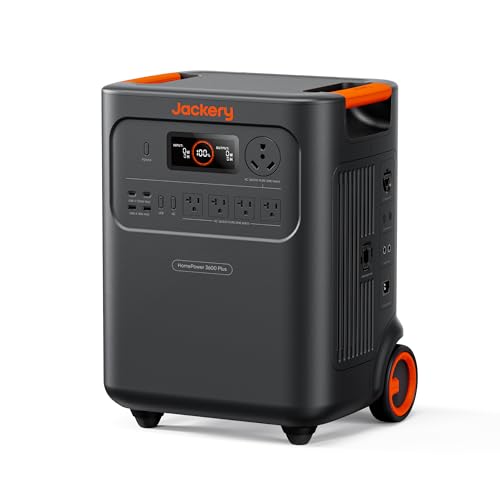 Best battery-based optionJackery HomePower 3600 Plus Power Station, 3584WhView on Amazon
- 6
 Best budget pick for essentialsCyberPower ST625U Standby UPS Battery Backup and Surge ProtectorView on Amazon
Our Top Picks
| Product | Best for | Key feature |
|---|---|---|
| Generac 22kW Whole Home Generator | Most standard-size homes | Automatic whole-house standby power with a 200 amp transfer switch |
| Generac 14kW Whole Home Generator | Smaller homes with essential loads | Automatic 200 amp transfer switch and outdoor installation |
| Generac 26kW Whole Home Generator | Large homes with high power demand | Highest output in this group with automatic transfer |
| DuroMax XP13000EH Dual Fuel Portable Generator | Households wanting a movable backup unit | Runs on gasoline or propane with electric start |
| Jackery HomePower 3600 Plus Power Station | Quiet, emissions-free indoor backup | 3584Wh LFP battery, expandable capacity |
| CyberPower ST625U Standby UPS | Protecting a router, modem or medical-adjacent electronics briefly | 625VA/360W with surge protection and USB ports |
Generac 22kW Whole Home Generator, Transfer Switch & Cellular Capability
Generac 22kW Whole Home Generator, Transfer Switch & Cellular Capability | Whole House Backup Power, Automatic 200 Amp Transfer Switch, Outdoor Gas Propane, Protects Home Outages, Storm Protection A related read: 7 Best DIY Portable Solar Power Generator Options for Camping and Backup.
Best for: Whole-house backup for a typical single-family home
This model suits homeowners who want every circuit they care about to come back on automatically after a utility outage, without running extension cords or refueling a portable unit at night.
Key specs:
- 22kW rated output
- Automatic 200 amp transfer switch
- Outdoor installation, designed for gas or propane fuel
- Cellular capability for remote monitoring
Pros:
- Covers a broad range of household loads, including HVAC and major appliances
- Starts automatically when grid power fails
- Cellular connectivity lets owners check status remotely
Cons:
- Professional installation is required, which adds to the overall project
- Needs a dedicated fuel line or propane tank
Bottom line: A strong fit for homeowners who want whole-house standby power and are prepared for a permanent installation.
View on AmazonGenerac 14kW Whole Home Generator, Transfer Switch & Cellular Capability
Whole House Backup Power, Automatic 200 Amp Transfer Switch, Outdoor Gas Propane, Protects Home Outages, Storm Protection Generac 14kW Whole Home Generator, Transfer Switch & Cellular Capability
Best for: Smaller homes with essential loads
Households that mainly need refrigeration, lighting, heating controls and a few outlets, rather than full central air and an electric range, may find this size sufficient and easier to justify.
Key specs:
- 14kW rated output
- Automatic 200 amp transfer switch
- Outdoor standby design with gas or propane fuel
- Cellular capability for remote monitoring
Pros:
- Lower output means less fuel use under typical loads
- Automatic transfer keeps essential circuits running without intervention
- Same transfer switch platform as the larger models in this lineup
Cons:
- May not run central air and electric heat together in larger homes
- Still requires professional installation and a fuel supply
Bottom line: Best for buyers who want automatic whole-house backup but whose load list is modest.
View on AmazonGenerac 26kW Whole Home Generator, Transfer Switch & Cellular Capability
GeneracWhole House Backup Power, Automatic 200 Amp Transfer Switch, Outdoor Gas Propane, Protects Home Outages, Storm Protection 26kW Whole Home Generator, Transfer Switch & Cellular Capability
Best for: Large homes with high power demand
This is the highest-output unit in the group and is aimed at larger households or homes with electric heating, well pumps, pool equipment or several major appliances running at once.
Key specs:
- 26kW rated output
- Automatic 200 amp transfer switch
- Outdoor installation with gas or propane fuel
- Cellular capability for remote monitoring
Pros:
- Headroom for simultaneous high-draw loads
- Automatic transfer and remote status checks
- Suits homes that expect long outages in cold or hot weather
Cons:
- Higher output generally means a larger installation footprint and more fuel use
- Overkill for homes that only need essential circuits
Bottom line: Pick this if your load calculation points to 20kW or more, and skip it if a smaller unit covers your list.
View on AmazonDuroMax XP13000EH 13,000-Watt Dual Fuel Portable Generator
DuroMax XP13000EH 13,000-Watt Dual Fuel Portable Generator – Gas & Propane, Electric Start, Whole Home Backup Power, Transfer Switch Ready, RV & Emergency Ready
Best for: A movable, dual-fuel backup unit for flexible use
Renters, homeowners without space for a permanent install, and people who also want to power tools or campsite gear may prefer a portable unit that can be moved and run on more than one fuel.
Key specs:
- 13,000-watt class output
- Dual fuel: gasoline and propane
- Electric start
- Transfer switch ready for connection to a home panel
Pros:
- Can be relocated and used away from home
- Dual fuel gives more options during a fuel shortage
- Electric start is easier to use than a pull cord
Cons:
- Must be operated outdoors, away from windows and doors, because of carbon monoxide risk
- Requires manual refueling and a transfer switch for safe home connection
Bottom line: A practical choice for people who want portability and fuel flexibility, provided they can run it safely outdoors.
View on AmazonJackery HomePower 3600 Plus Power Station, 3584Wh
Jackery HomePower 3600 Plus Power Station, 3584Wh, 3600W AC Output | LFP Battery, Expandable to 21kWh, Solar Generator, Essential Home Backup for Home Use, Emergencies, RV (Solar Panel Optional)
Best for: Quiet, emissions-free battery backup for indoor use
Households that want silent operation, no combustion fumes and the option to pair with solar panels will find a battery power station more appropriate than a fuel-burning generator.
Key specs:
- 3584Wh LFP battery capacity
- 3600W AC output
- Expandable battery capacity
- Solar panel input optional
Pros:
- Safe for indoor use with no exhaust
- Runs silently, which owners often mention for overnight use
- Expandable capacity supports longer outages
Cons:
- Limited runtime for whole-house loads without expansion
- Recharging depends on grid power or solar input
Bottom line: Good for buyers who prioritize quiet, indoor-safe backup for essential loads and may add solar later.
View on AmazonCyberPower ST625U Standby UPS Battery Backup and Surge Protector
CyberPower ST625U Standby UPS Battery Backup and Surge Protector | 625VA/360W, 8 Outlets, 2 USB Charging Ports, Compact, UL Certified
Best for: Short-term protection for electronics, not whole-home power
This is a small uninterruptible power supply, not a generator. It is included here for households that want to keep a modem, router or computer running briefly during a flicker or short outage.
Key specs:
- 625VA / 360W capacity
- 8 outlets
- 2 USB charging ports
- UL certified
Pros:
- Compact and simple to set up
- Surge protection for connected electronics
- Useful for keeping internet and communications gear online
Cons:
- Runtime is short and cannot power refrigerators, HVAC or pumps
- Not a substitute for a generator or power station during extended outages
Bottom line: A useful companion for electronics, but buyers needing appliance backup should choose one of the other options.
View on AmazonBuying Guide
Match capacity to your critical loads
Start with a list of what must run during an outage: refrigerator, freezer, sump pump, furnace fan, well pump, medical devices and lighting. Add up the running watts of each item and then account for surge (starting) watts, which can be several times higher for motors. Whole-house units cover more of the home, while smaller portable or battery systems require you to prioritize.
Good picks for this: Generac 14kW Whole Home Generator, Jackery HomePower 3600 Plus Power Station
Choose the right fuel source
Standby units typically run on natural gas or propane, which are stored or piped on site and tend to be more reliable over long outages than stored gasoline. Dual-fuel portable units give flexibility, though gasoline degrades over time and needs a stabilizer. Battery systems avoid combustion entirely but depend on recharging.
Good picks for this: Generac 22kW Whole Home Generator, DuroMax XP13000EH Dual Fuel Portable Generator
Check transfer switch requirements
A transfer switch isolates your home from the utility grid so backup power does not flow back into power lines, which is a serious safety hazard for line workers. Standby systems usually include an automatic transfer switch. Portable generators need a properly installed manual or automatic switch. Have a licensed electrician confirm the setup with your local code.
Good picks for this: Generac 26kW Whole Home Generator, DuroMax XP13000EH Dual Fuel Portable Generator
Consider runtime and fuel supply
Runtime depends on load and fuel or battery capacity. Ask your supplier for fuel consumption at 50 and 100 percent load. For propane, confirm tank size and refill access. For battery units, divide usable watt-hours by your average load in watts to estimate hours of runtime.
Good picks for this: Jackery HomePower 3600 Plus Power Station, Generac 14kW Whole Home Generator
Plan for installation and placement
Standby generators need clearance from windows, doors and vents, a level concrete pad and a fuel line or tank. Portable units must be operated outdoors and away from openings to avoid carbon monoxide buildup. Indoor-rated battery units are a better match for spaces where combustion is not an option.
Good picks for this: Generac 22kW Whole Home Generator, Jackery HomePower 3600 Plus Power Station
Look at noise and emissions
Combustion generators produce noise and exhaust, and local rules may limit operating hours or placement. Battery power stations run silently and produce no exhaust, which owners often mention as a benefit for overnight use in close quarters.
Good picks for this: Jackery HomePower 3600 Plus Power Station, CyberPower ST625U Standby UPS
Think about maintenance and durability
Standby units need periodic self-tests, oil changes and inspections as the manufacturer specifies. Portable gasoline units need fuel rotation or stabilizer. Battery systems need occasional firmware updates and protection from extreme temperatures. Keep the owner’s manual with your records.
Good picks for this: Generac 26kW Whole Home Generator, DuroMax XP13000EH Dual Fuel Portable Generator
FAQ
What size standby generator do I need for a house?
Size depends on your critical loads. Many homeowners aim for a unit that covers their largest simultaneous draws, such as central air, an electric range and a well pump. A licensed installer can run a load calculation from your electric bills and appliance list.
Can a standby generator run the whole house?
Whole-house standby units are designed for that, provided the capacity matches your demand and the transfer switch is correctly installed. Smaller units may only support essential circuits, so review the load list before buying.
Is propane or natural gas better for a standby generator?
Natural gas offers a continuous supply if the utility line stays intact, while propane is stored on site and works where gas lines are unavailable. Both are commonly specified for standby units. Check local availability and tank requirements.
Do I need a transfer switch with a portable generator?
Yes, if you plan to connect the generator to your home wiring. Plugging a generator into a wall outlet, known as backfeeding, is dangerous. Use a properly installed transfer switch or power inlet kit and have an electrician install it.
Can a battery power station replace a generator?
For essential loads and shorter outages, yes. Battery systems are quiet and emissions-free, but runtime is limited by capacity. For long outages and whole-house power, a fuel-based standby unit usually offers more endurance.
How often should a standby generator be maintained?
Follow the manufacturer’s schedule for oil, filters, spark plugs and self-test checks. Many owners also schedule an annual professional inspection. Consult your installer or service technician for details specific to your model.
Conclusion
For whole-house standby power, the Generac 14kW, 22kW and 26kW units cover different home sizes and load demands, with the choice coming down to your load calculation. The DuroMax XP13000EH suits buyers who want a movable, dual-fuel option and can operate it safely outdoors. The Jackery HomePower 3600 Plus fits quiet, indoor-safe backup for essential loads. The CyberPower ST625U is best treated as electronics protection rather than appliance backup. Before buying, confirm your load list, fuel options and transfer switch requirements with a licensed electrician.
Sources
- Guidance on home backup power options, generator safety and planning for outages (energy.gov)
- Safety recalls and carbon monoxide hazard information for portable and standby generators (cpsc.gov)
- Electrical and fuel storage standards relevant to standby generator installation (nfpa.org)
Related reading
- Whole Home Solar Generator: 7 Best Picks for Backup Power in 2026
- Top 6 Solar Energy Power Generator Picks for Home Backup
- Top 6 Mobile Solar Power Generator Picks for Home Backup
- Top 5 Solar and Propane Generators for Home Backup Power
- Top 5 Solar Electric Generators for Home Picks for Backup Power
- Top 5 EcoFlow Solar Power Generator Picks for Home Backup
About Lauren Holland
Lauren Holland is part of our editorial team and reviews and edits our solar generators for home backup & emergencies guides, checking product details against manufacturer specifications and owner feedback.




