
 By Lauren Holland
Updated November 2026
Losing power for a few hours is an inconvenience; losing it for days can spoil food, stop a CPAP machine and let a basement flood when a sump pump quits. The best home backup power options give you enough stored energy to run the essentials through an outage, and most of them are portable power stations with lithium iron phosphate (LFP) batteries and AC outlets. This guide compares six models from Jackery and EF ECOFLOW, ranked by how well they match the criteria that matter most for home use: usable watt-hour capacity, continuous AC output, the ability to start motor loads, expandability, and how well each one suits a realistic outage plan.
Our top picks at a glance
- 1
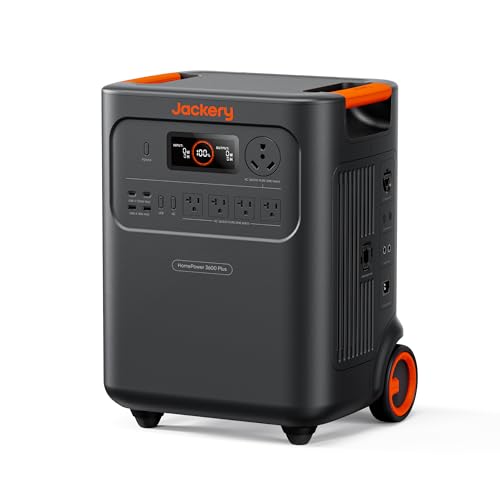 TOP CHOICEBest overallJackery HomePower 3600 Plus Power StationView on Amazon
- 2
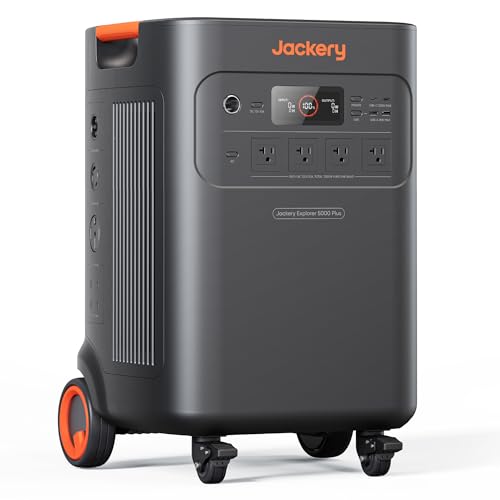 TOP CHOICEBest for whole-home expansionJackery Explorer 5000 Plus Power StationView on Amazon
- 3
 TOP CHOICEBest for high-surge loadsJackery HomePower 3000 Portable Power StationView on Amazon
- 4
 Best for fast rechargingEF ECOFLOW DELTA 2 Max Portable Power StationView on Amazon
- 5
 Best for mid-size homesJackery HomePower 2000 Plus v2 Power StationView on Amazon
- 6
 Best budget pickEF ECOFLOW Delta 3 Portable Power StationView on Amazon
Our Top Picks
Quick Comparison
| Product | Best for | Key feature |
|---|---|---|
| Jackery HomePower 3600 Plus Power Station | Overall whole-essentials backup | 3584Wh capacity, 3600W AC output, expandable to 21kWh |
| Jackery Explorer 5000 Plus Power Station | Whole-home expansion | 5040Wh, 7200W AC output, 120V/240V, expandable to 60kWh |
| Jackery HomePower 3000 Portable Power Station | High-surge loads | 3072Wh, 3600W AC output, 7200W surge |
| EF ECOFLOW DELTA 2 Max Portable Power Station | Fast recharging | 2048Wh LFP, 2400W output, full charge in about 1 hour |
| Jackery HomePower 2000 Plus v2 Power Station | Mid-size homes | 2048Wh, 2400W AC output, expandable to 12kWh |
| EF ECOFLOW Delta 3 Portable Power Station | Budget essentials backup | 1024Wh LiFePO4, 1800W AC output, full charge in about 56 minutes |
Jackery HomePower 3600 Plus Power Station
Jackery HomePower 3600 Plus Power Station, 3584Wh, 3600W AC Output | LFP Battery, Expandable to 21kWh, Solar Generator, Essential Home Backup for Home Use, Emergencies, RV (Solar Panel Optional)
Best for: Overall whole-essentials backup
This model suits households that want to keep a refrigerator, lights, Wi-Fi, a CPAP machine and a few phone chargers running for a day or more without building a complex system. Its capacity and AC rating leave room for most standard appliances.
Key specs
- 3584Wh capacity (LFP battery)
- 3600W AC output
- Expandable to 21kWh with additional battery modules
Pros
- Large capacity for multi-day essentials backup
- Expansion path if your needs grow
- LFP chemistry tolerates many charge cycles
Cons
- Heavy enough that moving it between rooms takes planning
- Full recharge from the wall takes a long time without solar input
Bottom line: A strong first choice for a homeowner who wants one unit to cover the essentials through a typical multi-day outage.
View on AmazonJackery Explorer 5000 Plus Power Station
Jackery Explorer 5000 Plus Power Station, 5040Wh, 7200W AC Output | LiFePO4, 120V/240V Output, Expandable to 60kWh, Essential Home Backup for Power Outages (Solar Panel Optional)
Best for: Whole-home expansion
This is the pick for homes with a 240V load, such as an electric range, a well pump or a central air handler, or for households that expect to add battery capacity over time.
Key specs
- 5040Wh LiFePO4 capacity
- 7200W AC output
- 120V/240V output, expandable to 60kWh
Pros
- 240V output supports larger appliances
- Very high expansion ceiling
- Substantial capacity for extended outages
Cons
- Large, heavy unit that needs a dedicated spot
- Whole-home use usually requires a licensed electrician for transfer wiring
Bottom line: Best for owners planning serious, long-duration backup who can handle professional installation.
View on AmazonJackery HomePower 3000 Portable Power Station
Jackery HomePower 3000 Portable Power Station, 3072Wh, 3600W AC Output | 7200W Surge, LFP Battery, Solar Generator, Essential Home Backup for Home Use, Power Outage (Solar Panel Optional)
Best for: High-surge loads
Motor-driven loads such as a sump pump, a well pump or a small window AC unit draw a brief spike when they start. This model is built with that surge headroom in mind, making it a good fit for basements and rural homes.
Key specs
- 3072Wh capacity (LFP battery)
- 3600W AC output with 7200W surge
Pros
- Surge rating helps start motor loads
- Solid capacity for a mid-size footprint
- LFP battery is safer for indoor storage than some older chemistries
Cons
- Surge rating is short-duration; it is not continuous capacity
- Capacity is lower than the 3600 Plus for long outages
Bottom line: Pick this if a sump pump or well pump is the main reason you are buying backup power.
View on AmazonEF ECOFLOW DELTA 2 Max Portable Power Station
EF ECOFLOW Portable Power Station DELTA 2 Max 2048Wh, 2400W LiFePO4 Battery | 2400W LFP Solar Generator, Full Charge in 1 Hr, Solar Powered Generator for Home Backup Camping RV, Solar Panel Optional
Best for: Fast recharging
Owners who face frequent short outages or want to top up quickly between events will appreciate how fast this unit recharges. It also suits people who prefer a compact unit that can be moved by one person.
Key specs
- 2048Wh LFP capacity
- 2400W AC output
- Full charge in about 1 hour under optimal conditions (manufacturer figure)
Pros
- Quick recharge window
- Manageable weight for its capacity
- Supports solar panel input for off-grid top-ups
Cons
- Capacity is modest for whole-home-style runtime
- Fast-charge figures depend on input power and conditions
Bottom line: A good choice for a smaller household or someone who values rapid recharge over maximum runtime.
View on AmazonJackery HomePower 2000 Plus v2 Power Station
Jackery HomePower 2000 Plus v2 Power Station, 2048Wh, 2400W AC Output | LFP Battery, Expandable to 12kWh, Essential Home Backup for Outages, Emergencies & RV (Solar Panel Optional)
Best for: Mid-size homes
For apartments, condos or smaller houses that need reliable essentials backup without the footprint of a 5kWh-class unit, this model offers a balanced mix of capacity and output.
Key specs
- 2048Wh capacity (LFP battery)
- 2400W AC output
- Expandable to 12kWh
Pros
- Good capacity-to-size balance
- Expansion option for later growth
- Suitable for fridge, lights and medical devices
Cons
- Limited runtime for high-draw appliances like electric heaters
- Needs expansion batteries to match larger units
Bottom line: Suited to smaller homes that want a practical, expandable backup without going to the largest class.
View on AmazonEF ECOFLOW Delta 3 Portable Power Station
EF ECOFLOW Delta 3 Portable Power Station, 1024Wh 1800W | LiFePO4 Battery, Full Charge in 56 Min, 1800W AC/100W USB-C Output, Solar Generator for Home Backup Power, Camping & RVs
Best for: Budget essentials backup
Renters, students or anyone who only needs to keep a phone, router, small fridge and a light running will find this a sensible, lower-capacity option that is easy to store and move.
Key specs
- 1024Wh LiFePO4 capacity
- 1800W AC output
- Full charge in about 56 minutes (manufacturer figure)
Pros
- Compact and lighter than larger units
- Fast recharge
- Good output for everyday appliances
Cons
- Runtime is short for a full fridge plus medical equipment over days
- Not designed for whole-home loads
Bottom line: A practical entry point if your goal is short outages and essential electronics rather than full-home coverage.
View on AmazonBuying Guide
Capacity in watt-hours
Watt-hours (Wh) tell you how much energy a unit stores. To estimate runtime, add up the wattage of the devices you want to run, then divide the stored Wh by that total, and reduce the result by about 15 percent to account for inverter losses. A 2000Wh unit running a 150W refrigerator (averaging around 50 percent duty cycle, roughly 75W) would theoretically run it for many hours, while a CPAP at around 50 to 60W adds only modestly to the load.
Good picks for this: Jackery HomePower 3600 Plus Power Station, Jackery Explorer 5000 Plus Power Station
Continuous and surge output
Continuous wattage is what the inverter can supply all the time. Surge rating is the short burst a motor needs at startup. Check the label of your sump pump or well pump for its running and starting wattage, and make sure the unit’s surge number is comfortably above it.
Good picks for this: Jackery HomePower 3000 Portable Power Station, EF ECOFLOW DELTA 2 Max Portable Power Station
Battery chemistry and lifespan
Most current home-oriented units use lithium iron phosphate (LFP or LiFePO4) batteries. These are generally considered more stable than some older lithium chemistries and are rated for a high number of charge cycles. Manufacturers typically specify cycle life; check the figure for the exact model you buy.
Good picks for this: Jackery HomePower 2000 Plus v2 Power Station, EF ECOFLOW Delta 3 Portable Power Station
Recharging options
Wall charging is the fastest route in most cases, but solar input matters if outages are long or frequent. Check the maximum input wattage for both AC and solar, and confirm whether a panel is included or sold separately. Solar charging is slower and depends on sunlight, so plan for it as a supplement rather than a primary source.
Good picks for this: EF ECOFLOW DELTA 2 Max Portable Power Station, Jackery HomePower 3600 Plus Power Station
Expandability
If you may need more runtime later, look for a system that accepts expansion batteries. This lets you add capacity without buying a second power station. Confirm that the expansion modules are sold for your exact model, since they are not usually interchangeable across product lines.
Good picks for this: Jackery Explorer 5000 Plus Power Station, Jackery HomePower 2000 Plus v2 Power Station
Size, weight and placement
Large units can weigh well over 50 pounds, and most need a dry, ventilated spot indoors or in a garage, away from direct heat. Measure the space and check the weight before you buy, especially if you plan to move the unit between rooms or to a basement during a storm.
Good picks for this: EF ECOFLOW Delta 3 Portable Power Station, EF ECOFLOW DELTA 2 Max Portable Power Station
Transfer method and safe use
Never plug a portable power station into a household outlet through a standard extension cord or backfeed the grid. Whole-home use requires a properly installed transfer switch or interlock, which should be installed by a licensed electrician to meet local code. Worth reading next: 6 Best Power Backups for Home Appliances of 2026.
Good picks for this: Jackery Explorer 5000 Plus Power Station, Jackery HomePower 3600 Plus Power Station
FAQ
How long will a power station run a refrigerator?
It depends on the fridge’s average consumption and the unit’s usable capacity. Many refrigerators average well below their rated wattage over a day because the compressor cycles. Check the appliance’s energy label for daily kWh use, then divide the unit’s usable Wh by that figure to get a rough runtime.
Can a portable power station run a CPAP machine overnight?
Many CPAP machines draw roughly 30 to 60 watts, so a mid-size unit can often run one for a full night. Confirm the exact draw in your device’s manual, and consult your sleep provider or equipment supplier about backup planning for medical equipment. 6 Best Backup Powers for All Electric Home Options for Outages (2026) goes further into this.
Will a sump pump work on a power station?
Often yes, if the unit’s surge rating exceeds the pump’s starting wattage. Sump pumps are motor loads, so surge capacity matters more than continuous output. Confirm the pump’s ratings and consider a professional electrician for a permanent setup.
Do I need solar panels with a home backup power station?
Not always. Solar is most valuable for long outages or for recharging when grid power is unavailable for many days. For short outages, wall charging is usually sufficient. Solar panels are often sold separately, so check what is included.
Can these units power my whole house?
Most portable units cover essential circuits, not the entire home. Whole-home coverage typically requires a larger system, professional installation and a transfer switch. Consult a licensed electrician before attempting any connection to household wiring.
How often do I need to recharge?
Recharge after each outage and periodically when the unit sits unused, since LFP batteries should be kept at a reasonable state of charge. Check the manufacturer’s storage guidance for your model.
Conclusion
For most households, the Jackery HomePower 3600 Plus is a well-rounded starting point, with enough capacity for essentials and room to expand. Homes with 240V appliances or long-term expansion plans should look at the Jackery Explorer 5000 Plus, while anyone whose main worry is a sump or well pump should weigh the surge rating of the Jackery HomePower 3000 Portable Power Station. The EF ECOFLOW DELTA 2 Max suits people who want fast recharging, the Jackery HomePower 2000 Plus v2 fits mid-size homes, and the EF ECOFLOW Delta 3 is a practical choice for short outages and essential electronics. Match the runtime you need to the capacity you buy, and consult a licensed electrician before any permanent installation.
Sources
- Guidance on emergency power planning, energy use and home energy efficiency (energy.gov)
- Consumer safety information on portable generators and battery-powered products (cpsc.gov)
- Fire safety codes and standards relevant to electrical equipment and battery storage (nfpa.org)
Related reading
- Top 7 Backup Power Supplies for Home Canada Options Compared (2026)
- Top 5 EcoFlow Power Stations with Solar Panel Options for Home Backup (2026)
- Power Generator Solar Panel Picks: 7 Best Options for Home Backup (2026)
- 7 Best Solar Power as Backup Generator Options for Home Outages (2026)
- 7 Best EcoFlow Delta Pro Ultra X Whole-Home Backup Power Options for 2026
- 7 Best 3000W Solar Power Generator Options for Home Backup (2026)
- 6 Best Whole Home Power Backup Options for Outages (2026)
About Lauren Holland
Lauren Holland is part of our editorial team and reviews and edits our solar generators for home backup & emergencies guides, checking product details against manufacturer specifications and owner feedback.




