
 By Graham Fisher
Updated November 2026
Choosing the best solar generator for home backup comes down to matching capacity and output to what you actually need to run during an outage. This guide compares seven portable power stations with solar input, focusing on watt-hour capacity, continuous AC output, surge handling for motor loads, and how well each suits whole-essentials backup such as a refrigerator, a CPAP machine, or a sump pump. Each pick is evaluated against the same criteria, based on manufacturer specifications and patterns in owner feedback rather than any hands-on testing.
Our top picks at a glance
- 1
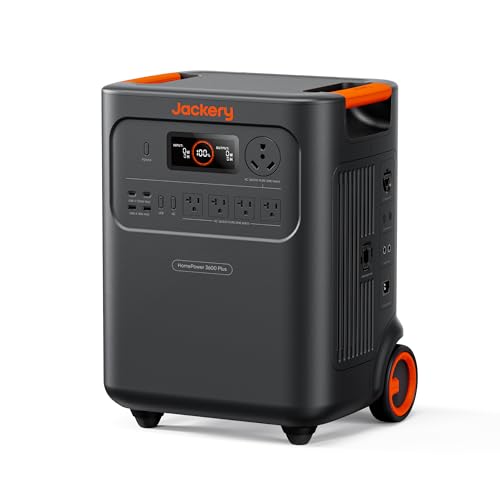 TOP CHOICEBest overallJackery HomePower 3600 PlusView on Amazon
- 2
 TOP CHOICEBest for whole-home essentialsABOK Ark3600View on Amazon
- 3
 TOP CHOICEBest for high surge loadsSolarPlay 2500W Portable Power StationView on Amazon
- 4
 Best for small kitchens and apartmentsJackery Solar Generator 1000 v2View on Amazon
- 5
 Best budget pickJackery Explorer 300View on Amazon
- 6
 Best for long outages with expansionJackery HomePower 3000View on Amazon
- 7
 Best for a complete solar bundleSolarPlay Q3600View on Amazon
Our Top Picks
The table below summarizes how the seven models compare at a glance. The detailed breakdown for each product follows.
| Product | Best for | Key feature |
|---|---|---|
| Jackery HomePower 3600 Plus | Best overall | 3,584Wh LFP battery, 3,600W AC output, expandable |
| ABOK Ark3600 | Best for whole-home essentials | 3,840Wh LiFePO4, 15 outlets, expandable to 11,520Wh |
| SolarPlay 2500W Portable Power Station | Best for high surge loads | 2,304Wh battery, 4,800W peak output |
| Jackery Solar Generator 1000 v2 | Best for small kitchens and apartments | 1,024Wh LiFePO4, 1,500W output, 10ms UPS switchover |
| Jackery Explorer 300 | Best budget pick | 292Wh LiFePO4 backup battery |
| Jackery HomePower 3000 | Best for long outages with expansion | 3,072Wh LFP battery, 3,600W AC output, 7,200W surge |
| SolarPlay Q3600 | Best for a complete solar bundle | 3,840Wh LiFePO4 battery, 3,600W AC output, 400W panel included |
Jackery HomePower 3600 Plus
Jackery HomePower 3600 Plus Power Station, 3584Wh, 3600W AC Output | LFP Battery, Expandable to 21kWh, Solar Generator, Essential Home Backup for Home Use, Emergencies, RV (Solar Panel Optional)
Best for: Best overall
This unit suits homeowners who want a single large battery that can cover a refrigerator, lights, internet gear, and a CPAP machine through a multi-day outage, with room to add more batteries later.
Key specs
- Capacity: 3,584Wh LFP battery
- Continuous AC output: 3,600W
- Expandable battery capacity (manufacturer lists up to 21kWh with add-on batteries)
Pros
- Large capacity for multi-appliance backup
- LFP chemistry is generally valued for long cycle life
- Expansion path for longer outages
Cons
- Heavy enough that moving it is a two-person task for many owners
- Solar panels are sold separately in many configurations
Bottom line: A strong first choice for households that want one powerful, expandable unit for whole-essentials backup.
View on AmazonABOK Ark3600
ABOK Ark3600 Portable Power Station with 400W Solar Panel,2000W Solar Input | 3840Wh LiFePO4 Battery, Expandable to 11520Wh,15 Outlets, 3600W Solar Generator for Home Backup, Hurricane, Camping, RV
Best for: Best for whole-home essentials
Households with several outlets to power at once, such as a home office, router, and sump pump setup, will value the high outlet count and large input rating.
Key specs
- Capacity: 3,840Wh LiFePO4 battery
- Continuous AC output: 3,600W
- Solar input: 2,000W maximum, with 400W panel listed
- Expandable to 11,520Wh per the listing
Pros
- 15 outlets for multi-device setups
- High solar input rating for faster recharging
- Expansion option for extended outages
Cons
- Owners report that full-output loads drain the battery quickly, so load planning matters
- Less brand familiarity than some long-established names
Bottom line: Suited to buyers who want many outlets and fast solar recharging in one package.
View on AmazonSolarPlay 2500W Portable Power Station
SolarPlay 2500W Portable Power Station(Peak 4800W), 2304Wh Solar Generator with 200W Solar Panel BMS Emergency Solar Battery Backup for Home Camping Outdoor Battery Backup
Best for: Best for high surge loads
Anyone running a sump pump or well pump, which draws a large startup surge, should look at surge capability first. This model’s peak rating makes it a reasonable candidate for motor-driven loads.
Key specs
- Capacity: 2,304Wh battery
- Continuous AC output: 2,500W
- Peak output: 4,800W
- Includes a 200W solar panel per the listing
Pros
- Peak rating suited to motor startup loads
- Solar panel included in the listed configuration
- Moderate size for its output class
Cons
- Lower watt-hour capacity than the 3,000Wh-plus models for long outages
- Brand reputation is less established, so check the warranty terms
Bottom line: A good fit for sump pump and motor backup where surge handling is the main concern.
View on AmazonJackery Solar Generator 1000 v2
Jackery Solar Generator 1000 v2 and 200W Solar Panel,1024Wh LiFePO4 Battery | 1500W (3000W Peak), 50-Min Fast Charge, 10ms UPS Solar Generator for Home Emergency, Camping & RV
Best for: Best for small kitchens and apartments
Renters and smaller households that mainly need to keep a refrigerator, a few lights, and a phone or laptop running will find this compact system easier to store and move.
Key specs
- Capacity: 1,024Wh LiFePO4 battery
- Continuous AC output: 1,500W (3,000W peak)
- Includes a 200W solar panel per the listing
- UPS switchover listed at 10ms
Pros
- Compact and easier to handle than larger units
- Fast-charge rating listed for quicker recharging
- Short switchover time helps sensitive electronics
Cons
- Capacity is limited for multi-day refrigerator backup
- Not suited to heavy simultaneous loads
Bottom line: The right choice for apartment dwellers and light-load households who want a simple, portable starting point.
View on AmazonJackery Explorer 300
Jackery Explorer 300 Portable Power Station,292Wh | Backup LiFePO4 Battery, Solar Generator for Outdoors, Camping, Travel, Hunting, Blackout (Solar Panel Optional)
Best for: Best budget pick
Buyers who need a small emergency power source for phones, a router, LED lights, or a short CPAP session will find this entry-level unit practical. It is not designed for whole-house backup.
Key specs
- Capacity: 292Wh LiFePO4 battery
- Solar panels sold separately in many listings
Pros
- Lightweight and easy to store
- Suitable for charging small electronics during outages
- Recognized brand with broad owner familiarity
Cons
- Too small to run a refrigerator for more than a short period
- Limited output for higher-wattage appliances
Bottom line: A sensible starting point for minimal backup needs, but not a whole-home solution.
View on AmazonJackery HomePower 3000
Jackery HomePower 3000 Portable Power Station, 3072Wh, 3600W AC Output | 7200W Surge, LFP Battery, Solar Generator, Essential Home Backup for Home Use, Power Outage (Solar Panel Optional)
Best for: Best for long outages with expansion
Households in areas with frequent or extended outages who expect to add capacity over time will find this model’s surge rating and LFP battery well matched to that plan.
Key specs
- Capacity: 3,072Wh LFP battery
- Continuous AC output: 3,600W
- Surge rating: 7,200W
Pros
- High surge rating for motor and compressor startup
- LFP battery chemistry
- Solid capacity for overnight and multi-day backup
Cons
- Solar panels are optional and sold separately
- Substantial weight for a portable unit
Bottom line: Best for buyers planning for longer outages who want strong surge handling without moving up to the largest class.
View on AmazonSolarPlay Q3600
SolarPlay Q3600 Portable Power Station with 400W Solar Panel, 3600W AC Output(Surge 5500W) 3840Wh LiFePO4 Battery Solar Generator, Essential Home Backup for Home Use, Power Outages, RV, Camping
Best for: Best for a complete solar bundle
Buyers who want the battery, inverter, and solar panel in one purchase, without matching accessories separately, will find this bundle straightforward to set up.
Key specs
- Capacity: 3,840Wh LiFePO4 battery
- Continuous AC output: 3,600W
- Surge rating: 5,500W
- Includes a 400W solar panel per the listing
Pros
- Panel included in the listed bundle
- Large capacity with LiFePO4 chemistry
- Surge rating suitable for many household motors
Cons
- Bundle weight makes frequent relocation difficult
- Owners should verify panel placement and mounting needs before outages
Bottom line: A practical all-in-one pick for those who want to start with solar charging from day one.
View on AmazonBuying Guide
Watt-hour capacity
Watt-hours (Wh) measure how much energy the battery stores. To estimate runtime, divide the battery’s Wh by the total watts your devices draw, then reduce the result by roughly 10 to 15 percent for conversion losses. A 3,000Wh battery running a 150W refrigerator (which cycles on and off, so average draw is lower) can last many hours, while the same battery powering a 1,500W space heater would run out in about two. Calculate your critical loads first.
Good picks for this: Jackery HomePower 3600 Plus, ABOK Ark3600
Continuous output and surge rating
Continuous output is the wattage the unit can supply indefinitely. Surge rating covers the brief spike motors need on startup. A sump pump or well pump can draw several times its running wattage for a moment, so check the surge figure, not just the continuous one, before buying.
Good picks for this: SolarPlay 2500W Portable Power Station, Jackery HomePower 3000
Battery chemistry
Most current units use lithium iron phosphate (LFP or LiFePO4) batteries. These are commonly described by manufacturers as offering longer cycle life and better thermal stability than older lithium-ion chemistries. Verify the chemistry in the listing before purchase.
Good picks for this: Jackery Solar Generator 1000 v2, SolarPlay Q3600
Outlet count and port types
Count the devices you need to run at the same time and confirm there are enough AC outlets, plus USB-C and USB-A ports for phones and small electronics. Some households also need a 12V or DC output for specific equipment. Matching outlets to your actual device list prevents day-of-outage surprises.
Good picks for this: ABOK Ark3600, Jackery Explorer 300
Solar input and recharging
Solar input rating determines how quickly the battery can recharge from panels. Check the maximum input wattage and whether a panel is included. Recharge speed depends on sunlight, panel orientation, and weather, so plan for reduced output on cloudy days.
Good picks for this: SolarPlay Q3600, ABOK Ark3600
Size, weight, and portability
Larger batteries add significant weight. If the unit will stay in a garage or basement, weight matters less. If you need to move it between rooms or store it on a shelf, a smaller model may be more practical. Consider where the unit will live during normal times.
Good picks for this: Jackery Explorer 300, Jackery Solar Generator 1000 v2
Expandability and warranty
Some models support add-on batteries, which can extend runtime without buying a second system. Review the warranty length, the manufacturer’s support policies, and whether replacement parts are available. Expandability is most useful when your backup needs may grow.
Good picks for this: Jackery HomePower 3600 Plus, Jackery HomePower 3000
FAQ
How long will a solar generator run a refrigerator?
A typical modern refrigerator averages well below its peak rating because the compressor cycles. Many owners estimate average daily consumption from the appliance’s energy label. With a 3,000Wh battery, a refrigerator may run for a day or more, depending on its efficiency, ambient temperature, and whether other loads are connected.
Can a solar generator run a CPAP machine overnight?
Many CPAP machines draw a modest amount of power, so a mid-size battery can often support one overnight. Check your device’s wattage rating and battery capacity. If you rely on CPAP for medical reasons, consult your sleep provider or medical equipment supplier about backup planning.
Can a solar generator power a sump pump?
Yes, if the unit’s surge rating exceeds the pump’s startup draw and its capacity covers the expected run time during a storm. Sump pumps can run intermittently for long periods, so plan for both. Confirm the pump’s amperage and consult an electrician if you are unsure about wiring or safe connection methods.
Do I need solar panels for home backup?
Solar panels are not strictly required, since the battery can be charged from a wall outlet or vehicle. However, panels allow recharging during extended outages when grid power is unavailable. Panel output depends on sunlight, so treat solar as a supplement for long events.
Is LiFePO4 better than other battery types?
LiFePO4 is widely used in home backup systems because manufacturers commonly cite longer cycle life and improved safety characteristics compared with some other lithium chemistries. It is heavier per watt-hour than some alternatives, so weigh that against your storage and mobility needs.
How do I size a solar generator for my home?
List the appliances you need to run, note their wattage, estimate daily hours of use, and multiply to get daily watt-hours. Add a margin for losses and plan for at least one day of backup for essentials. Electrical load calculations for whole-home or critical-circuit backup should be reviewed by a licensed electrician.
Are solar generators safe to run indoors?
Battery-based units produce no combustion exhaust, which is a major advantage over gas generators. Still, follow the manufacturer’s guidance on ventilation, temperature, and placement, and keep the unit dry and away from flammable materials.
Conclusion
For most households, the Jackery HomePower 3600 Plus is a strong overall choice, offering large capacity and expansion. Buyers focused on many outlets and fast recharging should consider the ABOK Ark3600, while those with motor loads like sump pumps may prioritize the SolarPlay 2500W for its peak rating. Apartment dwellers and light-load users will likely find the Jackery Solar Generator 1000 v2 more practical, and the Jackery Explorer 300 serves minimal emergency needs. The Jackery HomePower 3000 suits long-outage planning, and the SolarPlay Q3600 is a good match for buyers who want a complete solar bundle from the start. Match your critical loads and outage duration to these specifications before buying.
Sources
- Guidance on home energy use, electricity basics, and backup power planning (energy.gov)
- Consumer safety information on portable power equipment and battery use (cpsc.gov)
- Fire safety standards and guidance for batteries and electrical equipment in the home (nfpa.org)
Related reading
- Best Solar Generators for Home Backup
- Whole Home Solar Generator: 7 Best Picks for Backup Power in 2026
- Top 7 Solar Powered Generators with Solar Panels for Home Backup (2026)
- Top 6 Solar Powered Electricity Generator Picks for Home Backup (2026)
- Top 6 Solar Energy Power Generator Picks for Home Backup
- Top 6 Mobile Solar Power Generator Picks for Home Backup
- Top 6 Highest Capacity Solar Generator Picks for Home Backup (2026)
- Top 6 Gas and Solar Powered Generator Picks for Home Backup (2026)
About Graham Fisher
Graham Fisher is part of our editorial team and reviews and edits our solar generators for home backup & emergencies guides, checking product details against manufacturer specifications and owner feedback.


