
 By Graham Fisher
Updated November 2026
Shoppers looking for a diy 2000 watt solar generator usually want one thing: enough reliable power to keep a fridge, a CPAP machine, a sump pump or a few lights running when the grid goes down. This list focuses on units with roughly 2000 watts of continuous AC output and battery capacities that can realistically cover those loads for several hours. We weighed manufacturer specifications, brand reputation, expandability, port layout and the patterns owners tend to describe in their feedback, including charging speed, fan noise and how well the app and warranty support hold up. We did not test these units ourselves, so treat the specs below as what the manufacturers and listings state.
Our top picks at a glance
- 1
 TOP CHOICEBest overallJackery Solar Generator 1000 v2 and 200W Solar Panel,1024Wh LiFePO4 BaView on Amazon
- 2
 TOP CHOICEBest for expandable capacityOUPES Mega 1 Solar Generator with 100W Panel Included, 2000W 1024Wh LiView on Amazon
- 3
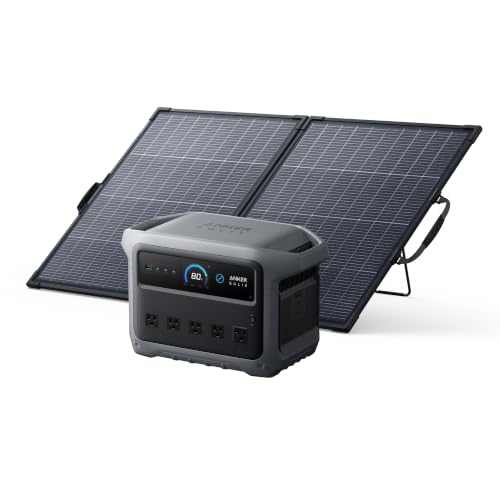 TOP CHOICEBest for fast rechargingAnker SOLIX C1000 Gen 2 Solar Powered Generator with 200W Solar PanelView on Amazon
- 4
 Best for larger whole-house loadsSolarPlay 2500W Portable Power Station(Peak 4800W), 2304Wh Solar GenerView on Amazon
- 5
 Best for extended outagesSolarPlay 3600W Portable Power Station, Large Capacity 3840Wh Solar GeView on Amazon
Our Top Picks
| Product | Best for | Key feature |
|---|---|---|
| Jackery Solar Generator 1000 v2 | Overall balance of output and runtime | 1500W rated output with 10ms UPS switchover |
| OUPES Mega 1 | Expandable home backup | Expandable to 5kWh with 13 ports |
| Anker SOLIX C1000 Gen 2 | Fast recharging during outages | Up to 3,000W output and quick 80% charge |
| SolarPlay 2500W Portable Power Station | Heavier loads and longer runtimes | 2304Wh battery with 4800W peak output |
| SolarPlay 3600W Portable Power Station | Multi-day backup for critical devices | 3840Wh battery with 400W solar input panel |
Jackery Solar Generator 1000 v2 and 200W Solar Panel,1024Wh LiFePO4 Battery | 1500W (3000W Peak), 50-Min Fast Charge, 10ms UPS Solar Generator for Home Emergency, Camping & RV
Jackery Solar Generator 1000 v2 and 200W Solar Panel,1024Wh LiFePO4 Battery | 1500W (3000W Peak), 50-Min Fast Charge, 10ms UPS Solar Generator for Home Emergency, Camping & RV
Jackery Solar Generator 1000 v2 and 200W Solar Panel, 1024Wh LiFePO4 Battery
Best for: Overall balance of output and runtime
This kit suits households that want a dependable, well-known brand with a solar panel included and enough output for a refrigerator plus a few essentials. It is a good starting point if you want a 2000-watt-class setup without building your own battery bank.
Key specs
- 1024Wh LiFePO4 battery
- 1500W continuous output (3000W peak)
- 200W solar panel included
- 10ms UPS-style switchover
Pros
- Lithium iron phosphate chemistry is generally regarded as stable and long-lasting.
- Owners often describe the UPS switchover as fast enough for computers and networking gear.
- Solar panel included, so the kit works out of the box.
Cons
- Continuous output is below the 2000-watt label, so very large loads may not run.
- Capacity is fixed at about 1 kWh, which limits runtime during multi-day outages.
Bottom line: A strong pick for a fridge, lights, a router and a CPAP machine during short to medium outages.
View on Amazon
OUPES Mega 1 Solar Generator with 100W Panel Included, 2000W 1024Wh LiFePO4 | Expandable to 5kWh, 36 Mins to 80% Charge, UPS Backup Power Station, Built-in MPPT, 13 Ports, 100W PD USB-C, APP Control
OUPES Mega 1 Solar Generator with 100W Panel Included, 2000W 1024Wh LiFePO4 | Expandable to 5kWh, 36 Mins to 80% Charge, UPS Backup Power Station, Built-in MPPT, 13 Ports, 100W PD USB-C, APP Control
OUPES Mega 1 Solar Generator with 100W Panel Included, 2000W 1024Wh LiFePO4
Best for: Expandable home backup
This model fits people who expect their needs to grow, such as adding a second battery later or running more appliances on a home circuit. The number of ports makes it convenient for charging several devices at once.
Key specs
- 1024Wh LiFePO4 battery
- 2000W rated AC output
- 100W solar panel included
- Expandable to 5kWh per the listing
- 13 ports including 100W USB-C PD
Pros
- Expansion path allows more capacity without replacing the unit.
- Many ports reduce the need for extra power strips.
- App control gives remote monitoring of charge levels.
Cons
- The included 100W panel is slow for recharging a full battery in cloudy weather.
- Expansion batteries add to the total investment and weight.
Bottom line: Best for households planning to grow their backup system over time.
View on Amazon
Anker SOLIX C1000 Gen 2 Solar Powered Generator with 200W Solar Panel | 2,000W Portable Power Station with 1,024Wh LiFePO4 Battery, Up to 3,000W Output, for UPS, Home, Outdoor
Anker SOLIX C1000 Gen 2 Solar Powered Generator with 200W Solar Panel | 2,000W Portable Power Station with 1,024Wh LiFePO4 Battery, Up to 3,000W Output, for UPS, Home, Outdoor
Anker SOLIX C1000 Gen 2 Solar Powered Generator with 200W Solar Panel
Best for: Fast recharging during outages
This option is aimed at people who want the battery topped up quickly when power returns or when sunlight is available. The included 200W panel pairs well with the unit’s charging hardware.
Key specs
- 1,024Wh LiFePO4 battery
- 2,000W rated output, up to 3,000W peak
- 200W solar panel included
Pros
- Anker is a widely known charging brand with a broad product line.
- Higher peak output helps with motor startup loads such as a sump pump.
- Solar panel included for an immediate off-grid setup.
Cons
- Runtime is limited by the roughly 1 kWh battery during long outages.
- Fan noise under heavy load is mentioned in some owner feedback.
Bottom line: A good match for someone who values quick recharging and a strong peak rating for pump starts.
View on Amazon
SolarPlay 2500W Portable Power Station(Peak 4800W), 2304Wh Solar Generator with 200W Solar Panel BMS Emergency Solar Battery Backup for Home Camping Outdoor Battery Backup
SolarPlay 2500W Portable Power Station(Peak 4800W), 2304Wh Solar Generator with 200W Solar Panel BMS Emergency Solar Battery Backup for Home Camping Outdoor Battery Backup
SolarPlay 2500W Portable Power Station (Peak 4800W), 2304Wh Solar Generator with 200W Solar Panel
Best for: Heavier loads and longer runtimes
This kit offers more stored energy than the 1 kWh units above, which helps with overnight CPAP use plus a fridge or sump pump across a longer outage.
Key specs
- 2304Wh battery capacity
- 2500W rated output, 4800W peak
- 200W solar panel included
- Built-in battery management system
Pros
- Roughly twice the stored energy of a 1 kWh unit for longer runtimes.
- High peak rating supports motor startup surges.
- Battery management system is listed for protection against overcharge and overheating.
Cons
- Heavier and bulkier than 1 kWh units, which matters for storage and carrying.
- SolarPlay is a less established brand than some competitors, so check the warranty terms.
Bottom line: A sensible choice when you want more hours of runtime for essential loads.
View on Amazon
SolarPlay 3600W Portable Power Station, Large Capacity 3840Wh Solar Generator with 400W Solar Panel, Emergency Power for Home Backup, Camping, Outdoor Battery Backup
SolarPlay 3600W Portable Power Station, Large Capacity 3840Wh Solar Generator with 400W Solar Panel, Emergency Power for Home Backup, Camping, Outdoor Battery Backup
SolarPlay 3600W Portable Power Station, Large Capacity 3840Wh Solar Generator with 400W Solar Panel
Best for: Multi-day backup for critical devices
This is the largest energy store on the list and suits households that need several days of backup for medical equipment or refrigeration, with a larger solar input to match.
Key specs
- 3840Wh battery capacity
- 400W solar panel included
- 3600W rated output per the listing name
Pros
- Largest stored energy here, supporting longer outages.
- 400W solar input can recharge faster than 200W panels in good sun.
- Suitable for mixed loads across a house during extended events.
Cons
- Considerably heavier, so it is harder to move and store.
- Larger panel needs a sunny, unobstructed spot to deliver its rated input.
Bottom line: Pick this if your priority is the longest runtime and you have room to mount or place a larger panel.
View on AmazonBuying Guide
Continuous output versus peak output
Continuous (rated) output is the power the unit can supply indefinitely. Peak output is brief surge capacity used when motors start. A sump pump or a compressor can draw several times its running wattage at startup, so check the peak rating as well as the continuous rating before you buy.
Good picks for this: Anker SOLIX C1000 Gen 2, SolarPlay 2500W Portable Power Station
Battery capacity and runtime math
Divide the battery’s watt-hours by your load in watts to estimate runtime, then reduce the result by roughly 15 to 20 percent for conversion losses. A 1024Wh battery running a 100W refrigerator averages around eight hours in theory, closer to six or seven in practice. Verify your own appliance wattage on its label or in the manual.
Good picks for this: Jackery Solar Generator 1000 v2, SolarPlay 3600W Portable Power Station
Battery chemistry
Lithium iron phosphate (LiFePO4) batteries are common in this category and are generally regarded as more stable and longer-lasting than some other lithium chemistries. Check the listing for the chemistry type before purchase.
Good picks for this: Jackery Solar Generator 1000 v2, OUPES Mega 1 Solar Generator with 100W Panel Included
Solar input and recharge time
Panel wattage sets how quickly you can recharge under good sun. Real-world input is usually well below the panel’s rated watts because of weather, angle and heat. A 200W panel may take most of a day to fill a 1 kWh battery in average conditions, while a 400W panel shortens that window.
Good picks for this: SolarPlay 3600W Portable Power Station, Anker SOLIX C1000 Gen 2
Expandability and ports
If you may want more capacity later, look for expansion battery support. Count the ports you need as well, including AC outlets, USB-C power delivery and car or DC outputs, so you do not rely on adapters during an outage.
Good picks for this: OUPES Mega 1 Solar Generator with 100W Panel Included, Jackery Solar Generator 1000 v2
Size, weight and portability
Units in the 2000-watt class and above are heavy, often well over 20 pounds, and some exceed 60 pounds. Think about where the unit will live, whether you can lift it alone and how far the panels must be placed from it.
Good picks for this: Jackery Solar Generator 1000 v2, Anker SOLIX C1000 Gen 2
Durability and warranty
Check the cycle life rating and warranty length in the manufacturer’s listing. Lithium batteries usually retain a useful share of capacity after many charge cycles, but warranty terms vary widely between brands.
Good picks for this: SolarPlay 2500W Portable Power Station, SolarPlay 3600W Portable Power Station
Care and storage
Store the battery at a moderate temperature and avoid leaving it fully drained for long periods. Periodic top-ups during storage help preserve capacity. Keep panels clean and check cables for wear.
Good picks for this: Jackery Solar Generator 1000 v2, OUPES Mega 1 Solar Generator with 100W Panel Included
FAQ
Can a 2000-watt solar generator run a refrigerator?
Most full-size refrigerators draw roughly 100 to 300 watts while running, with a higher startup surge. A 2000-watt-class unit can typically handle that, and a 1 kWh battery can often run a refrigerator for several hours. Check your fridge’s label for its actual draw.
Will it run a CPAP machine overnight?
Many CPAP machines use well under 100 watts, so a 1 kWh or larger battery can often cover a full night. Battery needs depend on your device and humidifier settings. Consult your sleep physician or equipment provider before relying on backup power for medical equipment.
Can it power a sump pump?
Sump pumps have a motor startup surge, so check the peak output rating. Units with higher peak capacity handle pump starts more reliably. Confirm the pump’s starting and running watts before you connect it.
How long does it take to recharge with solar panels?
Recharge time depends on panel wattage, sun intensity and angle. A 200W panel may need most of a sunny day to recharge a 1 kWh battery, while a 400W panel will be faster. Cloudy weather extends the time considerably.
Is a DIY build better than buying a ready-made unit?
A DIY build can cost less per watt-hour and lets you choose each component, but it requires electrical knowledge and careful wiring. Ready-made units include integrated safety protections. If you are not experienced with batteries and inverters, a finished product is usually the safer route.
Can I run an entire house on this?
A 2000-watt-class unit is generally not enough for whole-house use, including central air conditioning or electric heating. It is better suited to a selected set of critical circuits and appliances.
Conclusion
For a balance of output, runtime and brand familiarity, the Jackery Solar Generator 1000 v2 is a solid starting point. Households planning to expand later should consider the OUPES Mega 1, while those who want quick recharging and strong peak output may prefer the Anker SOLIX C1000 Gen 2. If you need longer runtimes for CPAP and refrigeration, the SolarPlay 2500W or 3600W models offer more stored energy, with the 3600W suiting those who can place a larger panel. Match your choice to your actual wattage needs, and verify specifications directly on each listing before buying.
Sources
- Guidance on home energy use, backup power planning and efficiency for household appliances (energy.gov)
- Consumer safety recalls, battery safety information and product warnings (cpsc.gov)
- Fire safety standards and guidance for electrical and battery-powered equipment (nfpa.org)
Related reading
- Diy Solar Generator Plans: How to Build a Home Backup Unit Step by Step
- Diy Solar Generator Parts List: What You Need to Build One (2026)
- Diy Solar Generator Lithium Battery: Build Steps, Parts and Sizing Tips
About Graham Fisher
Graham Fisher is part of our editorial team and reviews and edits our solar generators for home backup & emergencies guides, checking product details against manufacturer specifications and owner feedback.



