
 By Lauren Holland
Updated November 2026
Power backup for home AC is one of the harder jobs a portable power station can take on. Air conditioners draw a large startup surge and then run steadily for hours, so the right unit depends on more than the label capacity. This guide compares six portable power stations from EcoFlow, Daran, BLUETTI, BALDR and DaranEner, looking at watt-hour capacity, continuous and surge output, battery chemistry, charging speed and how well each fits a real outage plan. Nothing here is based on our own lab testing; the comparisons draw on manufacturer specifications and patterns owners commonly report.
Our top picks at a glance
- 1
 TOP CHOICEBest overallEF ECOFLOW Delta 3 Portable Power Station, 1024Wh 1800WView on Amazon
- 2
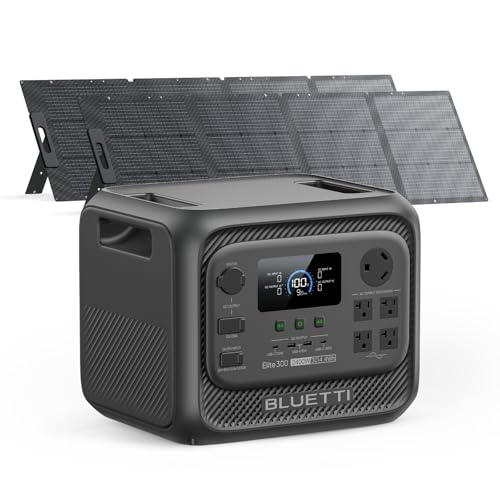 TOP CHOICEBest for whole-room comfortBLUETTI Solar Generator Elite 300 & 2x200W Solar Panel 3014.4Wh LFP BatteryView on Amazon
- 3
 TOP CHOICEBest for small roomsDaran Portable Power Station 89.6Wh LiFePO4 Battery 100WView on Amazon
- 4
 Best budget pickPortable Power Station 192Wh (60,000mAh) with Bag, 300W LiFePO4 Battery BackupView on Amazon
- 5
 Best for multiple AC outletsDaranEner Portable Power Station 192Wh LiFePO4 Battery BackupView on Amazon
- 6
 Best for compact backupBALDR Portable Power Station 28000mAh 90Wh LiFePO4 Battery BackupView on Amazon
Our Top Picks
Quick Comparison
| Product | Best for | Key feature |
|---|---|---|
| EF ECOFLOW Delta 3 Portable Power Station | Overall home backup | 1024Wh LiFePO4 battery, 1800W AC output |
| Daran Portable Power Station 89.6Wh | Small rooms and phone-level loads | Compact LiFePO4 battery, 100W output |
| DaranEner Portable Power Station 192Wh | Multiple small devices | Two 300W AC outlets, USB-C PD 60W |
| BLUETTI Solar Generator Elite 300 | Whole-room comfort with solar | 3014.4Wh LFP battery, 2400W AC output |
| Portable Power Station 192Wh with Bag | Budget backup kits | Six-port design, 300W continuous output |
| BALDR Portable Power Station 90Wh | Compact emergency kits | LiFePO4 battery, 150W peak output |
EF ECOFLOW Delta 3 Portable Power Station, 1024Wh 1800W
EF ECOFLOW Delta 3 Portable Power Station, 1024Wh 1800W | LiFePO4 Battery, Full Charge in 56 Min, 1800W AC/100W USB-C Output, Solar Generator for Home Backup Power, Camping & RVs
Best for: Overall home backup for a single window AC or bedroom unit
This is the most capable model in the lineup and the one most likely to keep a small air conditioner running through a typical multi-hour outage. It suits households that want fast recharging and room to add solar later.
Key specs
- 1024Wh LiFePO4 battery
- 1800W AC output
- 100W USB-C output
- Full charge in about 56 minutes (per the listing)
Pros
- Enough capacity for a small AC for a few hours
- Fast recharge reduces time without power
- Works with solar input for longer outages
Cons
- Runtime on a larger AC will be short
- Heavier than the smallest units
Bottom line: The best starting point for most people who want to run one window or portable AC during an outage.
View on AmazonDaran Portable Power Station 89.6Wh LiFePO4 Battery 100W
Daran Portable Power Station 89.6Wh LiFePO4 Battery 100W(200W Peak) Solar Power Bank, Portable Charger Small Generator with AC Outlets & PD Fast Charging for Home/Laptop/Camping(Solar Panel Optional)
Best for: Small rooms and phone-level loads
A very small unit that fits a bag or a shelf. It is better suited to fans, lights, phones and laptops than to a full air conditioner.
Key specs
- 89.6Wh LiFePO4 battery
- 100W continuous output (200W peak)
- AC outlets and PD fast charging
Pros
- Very portable
- Good for keeping communications and fans running
- Solar panel optional
Cons
- Too small to power a standard AC
- Limited runtime for anything above low-wattage loads
Bottom line: Pick this for emergency kits and small fans, not for cooling a room.
View on AmazonDaranEner Portable Power Station 192Wh LiFePO4 Battery Backup
DaranEner Portable Power Station, 192Wh LiFePO4 Battery Backup Solar Generator with w/2 300W (Peak 600W) AC Outlets, USB-C PD 60W Fast Charge, Power Bank for Camping, Outdoor, Home,Emergency
Best for: Multiple small devices at once
Its two 300W AC outlets make it useful for running several low-draw devices during a short outage. It is not designed to carry a compressor-based AC for long.
Key specs
- 192Wh LiFePO4 battery
- Two 300W AC outlets (600W peak)
- USB-C PD 60W fast charge
Pros
- Two AC outlets for simultaneous use
- Fast USB-C charging for phones and tablets
- Compact enough for emergency kits
Cons
- Capacity is too low for an AC over a long outage
- Peak wattage limits starting larger motors
Bottom line: Good for keeping several small loads on during a brief outage, not for cooling.
View on AmazonBLUETTI Solar Generator Elite 300 & 2x200W Solar Panel 3014.4Wh LFP Battery
BLUETTI Solar Generator Elite 300 & 2x200W Solar Panel 3014.4Wh LFP Battery | w/ 2400W AC Outlets (4800W Surge), Smallest 3kWh, Portable Power Station for RV, Home Backup, w/ TT-30 RV Port & 12V/30A D
Best for: Whole-room comfort with solar recharging
The largest battery in this list, paired with solar panels. It is the most realistic option here for running a room AC for a meaningful stretch of an outage, especially if you can recharge during the day.
Key specs
- 3014.4Wh LFP battery
- 2400W AC output (4800W surge)
- Includes two 200W solar panels (per the listing)
Pros
- Large capacity for longer AC runtime
- High surge rating for compressor startup
- Solar recharging extends outage coverage
Cons
- Heavy and bulky to move
- Higher investment than smaller units
Bottom line: The right choice when you need to keep a room cool for hours and can recharge with solar.
View on AmazonPortable Power Station 192Wh (60,000mAh) with Bag, 300W LiFePO4 Battery Backup
Portable Power Station 192Wh(60,000mAh) with Bag, 300W (600W surge)Power Bank LiFePO4 Battery Backup, Compact Solar Generator 6-Port Design w/2 AC Outlets for Home,RV, Hurricane, Camping,Emergency
Best for: Budget backup kits
A bag-style unit with multiple ports for everyday emergency needs. Like the other small units, it is best for fans and electronics rather than a full AC.
Key specs
- 192Wh LiFePO4 battery
- 300W continuous output (600W surge)
- Six-port design with two AC outlets
Pros
- Carry bag included
- Many ports for multiple devices
- Lower entry point for a backup kit
Cons
- Not enough energy for a typical AC
- Brand reputation is less established than larger names
Bottom line: A practical kit for fans, lights and phones during short outages.
View on AmazonBALDR Portable Power Station 28000mAh 90Wh LiFePO4 Battery Backup
BALDR Portable Power Station 28000mAh, 90Wh LiFePO4 Battery Backup Camping Solar Generator Fast Charging with AC Outlet 150W Peak Power Bank for Home Backup Outdoor Emergency
Best for: Compact emergency kits
A small unit that prioritizes portability. Its output limits make it a supplement to other power, not a primary AC backup.
Key specs
- 90Wh LiFePO4 battery
- 150W peak output
- Single AC outlet
Pros
- Light and easy to store
- LiFePO4 chemistry for longer cycle life
- Useful for phones and small lights
Cons
- Output too low for any AC unit
- Minimal runtime for anything but low-draw devices
Bottom line: Keep it in an emergency bag for communications and lighting, not cooling.
View on AmazonBuying Guide
Check the air conditioner’s power draw first
Window and portable ACs list running watts and starting (surge) watts on the nameplate or spec sheet. Compressor startup can briefly exceed running draw several times over, so the power station’s surge rating matters as much as its continuous output. Confirm both before buying.
Good picks for this: EF ECOFLOW Delta 3, BLUETTI Solar Generator Elite 300
Calculate watt-hours needed for your outage plan
Multiply the AC’s running watts by the hours you want to run it, then add a margin for inverter losses. A 500W AC running for 4 hours needs roughly 2000Wh before losses, which exceeds every small unit in this list. Plan around realistic hours, not best-case runtime.
Good picks for this: BLUETTI Solar Generator Elite 300, EF ECOFLOW Delta 3
Battery chemistry and cycle life
LiFePO4 (lithium iron phosphate) batteries are common in current portable power stations and are generally associated with longer cycle life than some other lithium chemistries. Check the listing for the chemistry stated by the manufacturer.
Good picks for this: Daran Portable Power Station 89.6Wh, BALDR Portable Power Station 90Wh
Output ports and number of AC outlets
Count how many devices you need to run at the same time. Multiple AC outlets help with a fan, a refrigerator and charging, but they share the same total watt limit.
Good picks for this: DaranEner Portable Power Station 192Wh, Portable Power Station 192Wh with Bag
Recharging speed and solar input
Fast wall recharging shortens the gap between outages. Solar input extends coverage for long events but depends on sunlight and panel size. Manufacturers typically specify recharge time under stated conditions, so compare on those terms.
Good picks for this: EF ECOFLOW Delta 3, BLUETTI Solar Generator Elite 300
Portability and storage
Heavier units with bigger batteries are harder to move between rooms or store in a closet. If you need to carry it, weigh the unit and check its handle or case design.
Good picks for this: Portable Power Station 192Wh with Bag, BALDR Portable Power Station 90Wh
Safe use and maintenance
Keep the unit in a dry, ventilated spot, avoid running it inside sealed spaces, and do not overload outlets. Follow the manufacturer’s storage and charging guidance. For installing any backup power connected to home wiring, consult a licensed electrician.
Good picks for this: EF ECOFLOW Delta 3, Daran Portable Power Station 89.6Wh
FAQ
Can a portable power station run a central air conditioner?
Generally, no. Central AC systems draw far more power than any portable unit in this list. Whole-home backup typically requires a permanently installed system sized by a professional.
How long will a power station run a window AC?
It depends on the AC’s running watts and the battery’s watt-hour rating. Divide usable watt-hours by the AC’s running watts, then account for inverter losses. Actual runtime is often shorter than the simple math suggests.
Why does my AC need more power to start?
The compressor needs a brief surge of current to start. This starting draw can be several times the running watts, so the power station’s surge rating must exceed it.
Is LiFePO4 better than other lithium batteries for backup?
LiFePO4 is widely used in portable power stations and is generally associated with longer cycle life. Check the manufacturer’s specifications for the exact chemistry and warranty terms.
Can I recharge a power station with solar panels during an outage?
Yes, if the unit accepts solar input and you have panels and sunlight. Output depends on panel wattage, weather and time of day, so plan for slower recharging than wall power.
Should I consult an electrician before connecting a backup unit to my home?
Yes. Connecting a backup power source to household wiring, such as through a transfer switch, should be done by a licensed electrician to avoid backfeeding the grid and to meet local code.
Conclusion
For power backup for home AC, the decision comes down to running watts, surge rating and how many hours you need. The EF ECOFLOW Delta 3 is the most balanced choice for a small window or bedroom AC. The BLUETTI Solar Generator Elite 300 suits households that want longer runtime and solar recharging. The smaller units in this list are better for fans, lights and electronics than for cooling, so treat them as emergency supplements. Check your AC’s nameplate watts before you buy, and match capacity to the outage hours you actually plan for.
Sources
- Guidance on home energy use, backup power planning and energy efficiency for household appliances (energy.gov)
- Safety guidance on portable generators, batteries and electrical products for home use (cpsc.gov)
- Emergency preparedness advice on power outages and backup supplies (ready.gov)
Related reading
- 6 Best Jackery AC Power Cord Options for Home Backup (2026)
- Whole-Home Backup Power Solution: How to Size One for Outages (2026)
- Whole Home Solar Generator: 7 Best Picks for Backup Power in 2026
About Lauren Holland
Lauren Holland is part of our editorial team and reviews and edits our solar generators for home backup & emergencies guides, checking product details against manufacturer specifications and owner feedback.




