
 By Lauren Holland
Updated November 2026
Choosing electric power backup for home comes down to one question: what do you need to keep running when the grid goes down? A refrigerator, a CPAP machine, a sump pump and a few lights draw very different amounts of power, and a unit that handles one may fail on another. This list compares seven options across units from a plug-in UPS to a whole-home dual-fuel generator. The selection criteria are sustained output in watts, surge capacity for motor loads, runtime in watt-hours, fuel flexibility, transfer switch compatibility and owner feedback patterns. This is a research-based comparison built from manufacturer specifications and common owner reports, not from hands-on testing.
Our top picks at a glance
- 1
 TOP CHOICEBest overallEF ECOFLOW DELTA 3 Max Portable Power Station, 2048Wh LFP, 2400WView on Amazon
- 2
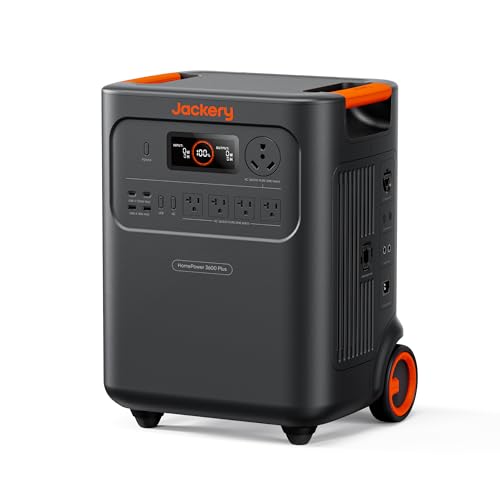 TOP CHOICEBest for whole-home coverageJackery HomePower 3600 Plus Power Station, 3584Wh, 3600W AC OutputView on Amazon
- 3
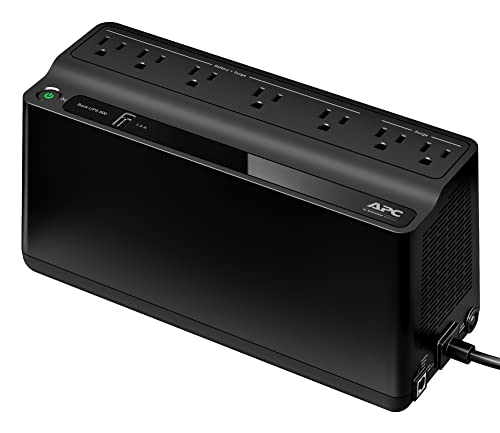 TOP CHOICEBest for desk and network gearAPC UPS Battery Backup & Surge Protector BE600M1View on Amazon
- 4
 Best for heavy motor loadsDuroMax XP13000EH 13,000-Watt Dual Fuel Portable GeneratorView on Amazon
- 5
 Best for long outages on propaneWestinghouse 12500 Watt Dual Fuel Home Backup Portable GeneratorView on Amazon
- 6
 Best for a planning referenceHOME POWER Backup Solution Guide: A Complete DIY Technical ManualView on Amazon
- 7
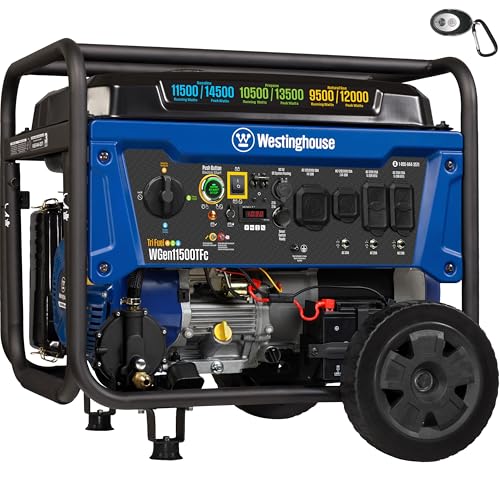 Best for maximum outputWestinghouse 14500 Peak Watt Tri-Fuel Home Backup Portable GeneratorView on Amazon
Our Top Picks
Quick Comparison
| Product | Best for | Key feature |
|---|---|---|
| EF ECOFLOW DELTA 3 Max Portable Power Station | Best overall | 2048Wh LFP battery, 2400W output, fast recharging |
| Jackery HomePower 3600 Plus Power Station | Best for whole-home coverage | 3584Wh capacity, 3600W AC output, expandable |
| APC UPS Battery Backup BE600M1 | Best for desk and network gear | 600VA/330W, 7 outlets, surge protection |
| DuroMax XP13000EH 13,000-Watt Dual Fuel Portable Generator | Best for heavy motor loads | 13,000 watts, gas and propane, electric start |
| Westinghouse 12500 Watt Dual Fuel Home Backup Portable Generator | Best for long outages on propane | 12,500 watts, gas and propane, transfer switch ready |
| HOME POWER Backup Solution Guide | Best for planning reference | Complete DIY technical manual for residential systems |
| Westinghouse 14500 Peak Watt Tri-Fuel Home Backup Portable Generator | Best for maximum output | 14,500 peak watts, gas, propane and natural gas |
EF ECOFLOW DELTA 3 Max Portable Power Station, 2048Wh LFP, 2400W
EF ECOFLOW DELTA 3 Max Portable Power Station, 2048Wh LFP Battery, 2400W | 3400W X-Boost Output, Ultra-Fast 0-80% Charging in 1.13 Hr, Home Backup & RV Camping, Solar Generator (Solar Panel Optional)
Best for: Best overall
This suits households that want a quiet, battery-based backup for a refrigerator, CPAP and internet equipment, and who may add solar panels later for recharging.
Key specs We also found Top 6 Solar Inverters for Power Outage Picks for Home Backup useful on this point.
- 2048Wh LFP battery capacity
- 2400W continuous output with X-Boost up to 3400W
- Solar generator capable (solar panel optional)
Pros
- LFP chemistry is generally associated with long cycle life
- Fast recharging is listed in manufacturer specs
- Enough capacity to cover a fridge and CPAP for a day or more, depending on load
Cons
- Full-home loads like electric dryers will drain it quickly
- Solar panels are an additional purchase
Bottom line: A strong first choice for apartments and smaller homes that need dependable essentials covered.
View on AmazonJackery HomePower 3600 Plus Power Station, 3584Wh, 3600W AC Output
Jackery HomePower 3600 Plus Power Station, 3584Wh, 3600W AC Output | LFP Battery, Expandable to 21kWh, Solar Generator, Essential Home Backup for Home Use, Emergencies, RV (Solar Panel Optional)
Best for: Best for whole-home coverage
Best suited to homes that want to run more circuits at once, including a sump pump and kitchen appliances, and that plan to expand storage over time.
Key specs
- 3584Wh capacity
- 3600W AC output
- Expandable to 21kWh per the listing
Pros
- High AC output for mixed household loads
- Expansion path for longer outages
- LFP battery chemistry
Cons
- Larger and heavier than portable-only units
- Expansion batteries add meaningful cost over time
Bottom line: Good for households planning for multi-day outages across several circuits.
View on AmazonAPC UPS Battery Backup & Surge Protector BE600M1
APC UPS Battery Backup & Surge Protector BE600M1 for Computer, Router, NAS | 600VA/330W Backup Battery Power Supply for Power Outages, 7 Outlets, USB charging, 490 J surge protect. Replaceable Battery
Best for: Best for desk and network gear
Designed for keeping a modem, router, NAS or home office computer running through brief dropouts, and for protecting electronics from surges.
Key specs
- 600VA / 330W output
- 7 outlets with USB charging
- 490 J surge protection, replaceable battery
Pros
- Protects sensitive electronics from surges and brief outages
- Replaceable battery extends service life
- Compact and quiet
Cons
- Not sized for refrigerators, CPAP or sump pumps over any real duration
- Runtime is measured in minutes at typical electronics loads
Bottom line: Pick this for electronics protection, not for whole-house backup.
View on AmazonDuroMax XP13000EH 13,000-Watt Dual Fuel Portable Generator
DuroMax XP13000EH 13,000-Watt Dual Fuel Portable Generator – Gas & Propane, Electric Start, Whole Home Backup Power, Transfer Switch Ready, RV & Emergency Ready
Best for: Best for heavy motor loads
Fits households that need to start well pumps, sump pumps or air conditioning compressors and can accept a gas or propane engine running outdoors.
Key specs
- 13,000 watt rated output
- Gas and propane fuel capability
- Electric start and transfer switch ready
Pros
- Enough capacity for motor-heavy loads
- Dual fuel gives flexibility when one supply is scarce
- Electric start is convenient in an emergency
Cons
- Noise and exhaust require outdoor placement away from windows
- Needs regular maintenance and fuel management
Bottom line: Best for homeowners who need serious output and can handle a traditional generator.
View on AmazonWestinghouse 12500 Watt Dual Fuel Home Backup Portable Generator
Westinghouse 12500 Watt Dual Fuel Home Backup Portable Generator, Remote Electric Start, Transfer Switch Ready, Gas and Propane Powered
Best for: Best for long outages on propane
Suited to homes with a propane supply that want a transfer-switch-ready generator for extended outages.
Key specs
- 12,500 watt rated output
- Gas and propane powered
- Remote electric start, transfer switch ready
Pros
- Remote start is convenient for storms
- Propane storage stays usable longer than gasoline
- Transfer switch readiness supports hardwired setups
Cons
- Requires outdoor operation and carbon monoxide precautions
- Heavy to move without a cart
Bottom line: A good fit for propane-equipped homes wanting extended runtime.
View on AmazonHOME POWER Backup Solution Guide: A Complete DIY Technical Manual
HOME POWER Backup Solution Guide: A Complete DIY Technical Manual for Selecting, Installing, and Maintaining Reliable Residential Energy Systems for Any Outage
Best for: Best for planning reference
Aimed at homeowners who want to understand sizing, installation and maintenance before buying hardware, rather than a power unit itself.
Key specs
- Technical manual format covering selection, installation and maintenance
- Covers residential energy systems for outages
Pros
- Useful for building a load list and understanding wattage math
- Complements any hardware choice
- Focused on residential, not commercial, systems
Cons
- It is a guide, not a power source
- Specific code and installation rules vary by locality
Bottom line: Worth reading before you buy anything for whole-home backup.
View on AmazonWestinghouse 14500 Peak Watt Tri-Fuel Home Backup Portable Generator
Westinghouse 14500 Peak Watt Tri-Fuel Home Backup Portable Generator, Remote Electric Start, Transfer Switch Ready, Gas, Propane, and Natural Gas Powered
Best for: Best for maximum output
Best for households with large peak-load needs and access to gas, propane or natural gas lines.
Key specs
- 14,500 peak watts
- Gas, propane and natural gas capable
- Remote electric start, transfer switch ready
Pros
- Tri-fuel flexibility
- High peak rating for motor starting
- Transfer switch readiness
Cons
- Peak ratings differ from running watts, so check the running figure
- Large footprint and outdoor-only use
Bottom line: Suits homeowners with natural gas access who want maximum headroom.
View on AmazonBuying Guide
Running watts versus peak watts
Add up the running watts of everything you need at once, then add the surge needed for motors. Refrigerators and sump pumps can draw several times their running wattage for a moment when they start. Use the running figure for sizing and confirm the peak figure can cover your largest motor.
Good picks for this: DuroMax XP13000EH and Westinghouse 14500 Peak Watt.
Battery capacity in watt-hours
Watt-hours equal watts multiplied by hours. A 2048Wh battery running a 200W load gives roughly ten hours before losses, and real runtime is shorter. Use the formula to estimate how long each essential device can run.
Good picks for this: EF ECOFLOW DELTA 3 Max and Jackery HomePower 3600 Plus.
Fuel type and flexibility
Dual and tri-fuel generators can run on gasoline, propane or natural gas. Propane stores well for long periods, while gasoline goes stale in months. Consider which supply you can count on during a regional outage.
Good picks for this: Westinghouse 12500 Watt Dual Fuel and DuroMax XP13000EH.
Transfer switch compatibility
A transfer switch lets a generator feed circuits through the home wiring safely. Hardwired setups must be installed by a licensed electrician, and a generator should never be plugged into a wall outlet, which can backfeed the utility grid.
Good picks for this: Westinghouse 14500 Peak Watt and Westinghouse 12500 Watt Dual Fuel.
Noise, exhaust and placement
Engine generators produce carbon monoxide and noise, so they must run outdoors well away from doors and windows. Battery stations run silently and can be used indoors, which makes them easier for medical equipment.
Good picks for this: EF ECOFLOW DELTA 3 Max and APC UPS Battery Backup BE600M1.
Expandability and future needs
If you may need longer runtime later, check whether the battery can add modules or pair with solar. Expansion paths cost more over time, but they avoid buying a second unit.
Good picks for this: Jackery HomePower 3600 Plus and EF ECOFLOW DELTA 3 Max.
Maintenance and durability
Engine generators need oil changes, fuel stabilization and periodic test runs. Battery units need storage at moderate charge levels and occasional recharging. Replaceable batteries, like those in some UPS units, extend service life.
Good picks for this: APC UPS Battery Backup BE600M1 and HOME POWER Backup Solution Guide.
FAQ
How many watts do I need for a refrigerator during an outage?
Most refrigerators run at a few hundred watts while the compressor is on and draw a surge at startup. Check the nameplate or energy label, and plan for the startup surge in addition to the running figure.
Can a CPAP machine run on a battery backup?
Many CPAP machines draw modest wattage and can run on a battery station for a night or more, depending on capacity and settings. Confirm with your equipment supplier or sleep physician before relying on it, since medical needs vary.
Is a sump pump safe to run on a portable generator?
Yes, if the generator is sized for the pump’s starting surge and is run outdoors with proper clearance. Consult a licensed electrician or your pump manufacturer for installation details.
Can I plug a generator directly into a wall outlet?
No. This can send power back into the utility lines and endanger line workers, and it can damage equipment. Use a transfer switch installed by a licensed electrician instead.
How long will a battery power station last in an outage?
Divide the usable watt-hours by your total running load, then reduce the result to account for conversion losses. A fridge, router and a few lights may run far longer than a large appliance.
Do I need solar panels for backup power?
Not always. Solar panels help recharge the battery during multi-day outages, but a full charge from the wall covers short events. Solar is most useful for extended outages.
Are battery backups better than gas generators?
Battery stations are quieter and safer indoors, while gas generators offer higher output for longer periods. The right choice depends on your loads, runtime needs and where you can place equipment.
Conclusion
For most households, electric power backup for home starts with a clear list of essential loads and a realistic runtime target. The EF ECOFLOW DELTA 3 Max suits apartments and smaller homes that need dependable essentials. The Jackery HomePower 3600 Plus fits homes covering more circuits. The APC UPS works for electronics. Engine generators such as the DuroMax XP13000EH and the Westinghouse models serve homeowners needing high output and fuel flexibility. The HOME POWER guide is a useful starting point before any purchase. Confirm any hardwired setup with a licensed electrician.
For more context, see Whole-Home Backup Power Solution: How to Size One for Outages (2026), UPS Power Backup for Home: How to Size One for Outages (2026), and What to Do During Power Outage: A Step-by-Step Plan for Home Backup.
Sources
- Guidance on home energy use, generator safety and backup planning (energy.gov)
- Consumer safety recommendations for portable generators and carbon monoxide (cpsc.gov)
- Standards and guidance on emergency power and electrical safety (nfpa.org)
Related reading
- Top 5 Solar Electric Generators for Home Picks for Backup Power
- Electric Generator Solar Power: 5 Best Picks for Home Backup (2026)
About Lauren Holland
Lauren Holland is part of our editorial team and reviews and edits our solar generators for home backup & emergencies guides, checking product details against manufacturer specifications and owner feedback.




