By Graham Fisher
Updated November 2026
Running a tiny house on solar usually comes down to one question: how much battery do you actually need? A solar generator for tiny house use has to balance capacity, weight, output and the space you have for a panel. This guide compares seven portable power stations and kits using published specifications, brand track record and common owner feedback. To size your own system, start with a watt-hour tally of the devices you plan to run, such as a fridge, lights, a laptop and a CPAP if needed.
Our top picks at a glance
- 1
 TOP CHOICEBest overallJackery Solar Generator 1000 v2 and 200W Solar PanelView on Amazon
- 2
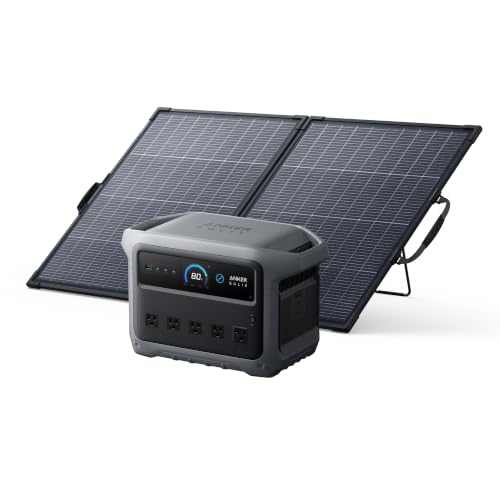 TOP CHOICEBest for high surge loadsAnker SOLIX C1000 Gen 2 Solar Powered Generator with 200W Solar PanelView on Amazon
- 3
 TOP CHOICEBest for very small setupsWestinghouse iGen400s 400 Watt Portable Power Station and Solar GeneratorView on Amazon
- 4
 Best compact kit with panelVTOMAN Jump 600X 600W Portable Power Station with 110W Foldable Solar PanelView on Amazon
- 5
 Best for learning the systemThe DIY Off Grid Solar Power BibleView on Amazon
- 6
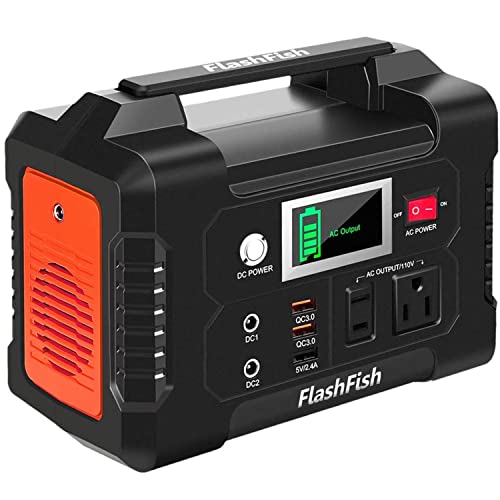
 Best budget pick200W Portable Power Station, 192Wh LiFePO4 Solar Generator for CampingView on Amazon
- 7
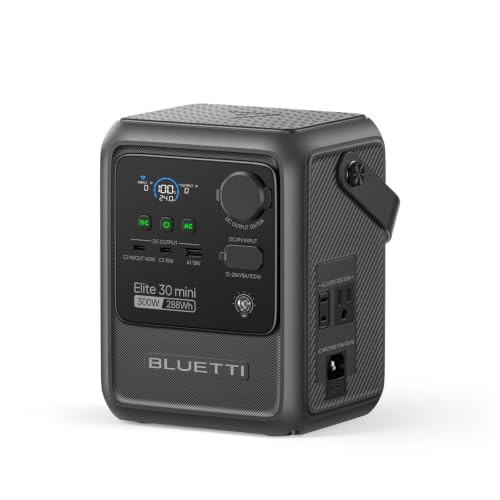 Best ultra-portable optionBLUETTI Elite 30 Mini Portable Power Station 288Wh 300W LFP Solar GeneratorView on Amazon
Our Top Picks
Quick Comparison
| Product | Best for | Key feature |
|---|---|---|
| Jackery Solar Generator 1000 v2 and 200W Solar Panel | Full tiny house essentials | 1024Wh LiFePO4 battery |
| Anker SOLIX C1000 Gen 2 with 200W Solar Panel | Higher surge loads | 2,000W output rating |
| Westinghouse iGen400s Portable Power Station and Solar Generator | Very small setups | 183Wh capacity |
| VTOMAN Jump 600X with 110W Foldable Solar Panel | Compact kit buyers | 268.8Wh capacity, 170W fast recharge |
| The DIY Off Grid Solar Power Bible | Planning and installation | Design and wiring reference |
| Powkey 200W Portable Power Station | Budget-minded buyers | 192Wh LiFePO4 battery |
| BLUETTI Elite 30 Mini Portable Power Station | Minimal space and weight | 288Wh, 140W two-way fast charging |
Jackery Solar Generator 1000 v2 and 200W Solar Panel
Jackery Solar Generator 1000 v2 and 200W Solar Panel,1024Wh LiFePO4 Battery | 1500W (3000W Peak), 50-Min Fast Charge, 10ms UPS Solar Generator for Home Emergency, Camping & RV
Best for: Full tiny house essentials with a fridge and lighting
This kit suits owners who want one system to run most household loads. It pairs a battery with a matching panel, which simplifies setup in a tiny footprint.
Key specs
- 1024Wh LiFePO4 battery
- 1500W continuous output (3000W peak)
- 50-minute fast recharge
Pros
- Generous capacity for its size
- Includes matched solar panel
- Fast recharge option
Cons
- Heavier than mini units
- Needs space for panel mounting
Bottom line: A strong pick for buyers who want the most balanced all-in-one kit.
View on AmazonAnker SOLIX C1000 Gen 2 Solar Powered Generator with 200W Solar Panel
Anker SOLIX C1000 Gen 2 Solar Powered Generator with 200W Solar Panel | 2,000W Portable Power Station with 1,024Wh LiFePO4 Battery, Up to 3,000W Output, for UPS, Home, Outdoor
Best for: Higher surge loads such as well pumps or power tools
Best suited to tiny houses with motor-driven appliances that draw heavy startup current. The 2,000W output rating leaves room for those spikes.
Key specs
- 2,000W portable power station
- Bundled 200W solar panel
Pros
- High output rating
- Bundled panel included
- Established brand support
Cons
- Larger footprint
- Higher weight to move
Bottom line: Pick this if your loads include motors that need strong surge capacity.
View on AmazonWestinghouse iGen400s 400 Watt Portable Power Station and Solar Generator
Westinghouse iGen400s 400 Watt, 183Wh Portable Power Station and Solar Generator with LED Display and DC Outlet for Camping, Home, Travel, Indoor/Outdoor Use (Solar Panel Not Included)
Best for: Very small setups with limited electrical needs
Suits a tiny house that only runs phone and laptop charging, LED lights and a small fan. Its modest capacity keeps it light and easy to store.
Key specs
- 183Wh capacity
- 400W rated output
Pros
- Very compact
- Easy to move
- Simple display
Cons
- Limited runtime for larger loads
- Not suited to a fridge long-term
Bottom line: Best for minimal-load tiny homes that prioritize portability.
View on AmazonVTOMAN Jump 600X 600W Portable Power Station with 110W Foldable Solar Panel
VTOMAN Jump 600X 600W Portable Power Station with 110W Foldable Solar Panel | 170W Fast Recharge, 268.8Wh LiFePO4 Battery, 100W USB-C Output, 1200W Surge Solar Generator Kit for Camping, RV, Home Back
Best for: Compact kit buyers who want panel and battery together
A practical option for owners building a small off-grid corner who need a foldable panel they can position with the sun.
Key specs
- 268.8Wh capacity
- 600W output rating
- 110W foldable solar panel
Pros
- Foldable panel saves space
- Fast recharge rating
- Good for small loads
Cons
- Modest runtime for a full fridge
- Panel output limits recharge speed
Bottom line: A sensible pick for a compact, mid-sized load profile.
View on AmazonThe DIY Off Grid Solar Power Bible
The DIY Off Grid Solar Power Bible: [10 in 1] The Most Complete and Updated Guide to Design, Install, and Maintain Solar Energy Systems for Tiny Homes, Cabins, Rvs, and Boats
Best for: Planning and installing a tiny house solar system
This is a reference book rather than hardware. It helps owners size batteries, panels and wiring before buying a generator.
Key specs
- Covers design, installation and maintenance
Pros
- Thorough system-sizing guidance
- Useful for wiring decisions
- Helpful before any purchase
Cons
- Not a power source itself
- Can be dense for beginners
Bottom line: Worth reading first if you are designing a system from scratch.
View on Amazon200W Portable Power Station, 192Wh LiFePO4 Solar Generator for Camping
200W Portable Power Station, 192Wh LiFePO4 Solar Generator for Camping | Powkey Battery Powered Power Bank with 120V AC Outlet, Emergency Backup Battery for CPAP & Outdoor (Excludes Solar Panel)
Best for: Budget-minded buyers testing off-grid power
A lower-capacity unit for owners who want to start small and expand later. It handles phones, lights and small electronics well.
Key specs
- 192Wh LiFePO4 battery
- 200W rated output
Pros
- LiFePO4 chemistry for longer cycle life
- Light and portable
- Simple to set up
Cons
- Short runtime for a fridge
- Limited for high-draw appliances
Bottom line: A reasonable starting point for light tiny house loads.
View on AmazonBLUETTI Elite 30 Mini Portable Power Station 288Wh 300W LFP Solar Generator
BLUETTI Elite 30 Mini Portable Power Station 288Wh 300W LFP Solar Generator | 140W Two-Way Fast Charging, ≤10ms UPS, 3 Lighting Modes, Power Lifting 50ow for Home, Work, Travel, Camping & Emergencies
Best for: Minimal space and weight with reliable backup
Fits owners who need more capacity than a basic gadget battery but still want a compact unit that is easy to carry inside.
Key specs
- 288Wh LFP battery
- 300W rated output
- 140W two-way fast charging
Pros
- Compact and lightweight
- Two-way fast charging
- Good capacity for size
Cons
- Limited high-wattage output
- Runtime shorter than larger units
Bottom line: Ideal for compact living where space and portability matter most.
View on AmazonBuying Guide
Capacity and daily energy use
Add up the watt-hours each device uses per day, then add a margin of about 20 percent. A tiny house fridge and lights can easily need more than a small battery provides. Capacity determines how long your system runs between charges.
Good picks for this: Jackery Solar Generator 1000 v2, Anker SOLIX C1000 Gen 2
Output rating and surge capacity
Continuous output must cover your running loads, while peak or surge rating handles motor startup. Check the nameplate on pumps and tools. Undersized output can trip the unit even when capacity is sufficient.
Good picks for this: Anker SOLIX C1000 Gen 2, Jackery Solar Generator 1000 v2
Weight and portability
Tiny houses have limited floor space and often limited storage. Heavier batteries are harder to move and mount. Lightweight units suit minimal setups, while larger kits need a fixed location.
Good picks for this: BLUETTI Elite 30 Mini, Westinghouse iGen400s
Battery chemistry and lifespan
LiFePO4 and LFP batteries generally offer longer cycle life than older lithium chemistries. Manufacturers usually specify cycle ratings, so compare those figures. Longer life reduces replacement frequency over years of use.
Good picks for this: Powkey 200W Portable Power Station, Jackery Solar Generator 1000 v2
Solar panel compatibility
Check the maximum input wattage the unit accepts and whether the panel connector matches. Foldable panels save roof and wall space but recharge more slowly. Plan panel placement around shade from trees or walls.
Good picks for this: VTOMAN Jump 600X, Anker SOLIX C1000 Gen 2
FAQ
How big a solar generator does a tiny house need?
Most tiny houses need between about 1,000Wh and 2,000Wh for a fridge, lights and small electronics. Calculate your daily watt-hours first, then size capacity to cover at least one cloudy day.
Can a portable power station run a tiny house fridge?
Yes, many can, but runtime depends on fridge efficiency and battery size. A compact fridge on a mid-sized battery may run overnight, while smaller units may not. Check your fridge’s rated daily consumption.
Do I need a separate panel or does the kit include one?
Some kits bundle a panel, while others sell the generator alone. Confirm the panel wattage and connector type before buying. Panel output determines how quickly you can recharge in good sun.
Is LiFePO4 better for tiny house use?
LiFePO4 batteries usually offer longer cycle life and better thermal stability than older chemistries. That makes them a common choice for daily cycling in small spaces.
For electrical installation questions, consult a licensed electrician.
Conclusion
For a full tiny house load, the Jackery Solar Generator 1000 v2 offers the most balanced capacity and panel package. Choose the Anker SOLIX C1000 Gen 2 if motor surge loads matter. Minimal setups do well with the BLUETTI Elite 30 Mini or Westinghouse iGen400s, and budget buyers can start with the Powkey unit. Size your system from your own watt-hour total before choosing.
Sources
- Guidance on home energy use and backup power planning (energy.gov)
- Research on solar energy systems and battery storage (nrel.gov)
Before you buy: helpful guides
Related reading
- Jackery Solar Generator for House: 6 Best Picks Compared (2026)
- Solar Backup Generator for House: 6 Best Picks for Outages in 2026
About Graham Fisher
Graham Fisher is part of our editorial team and reviews and edits our solar generators for home backup & emergencies guides, checking product details against manufacturer specifications and owner feedback.