
 By Graham Fisher
Updated November 2026
Choosing a flashfish portable solar generator starts with one question: what do you need to keep running when the grid goes down? Capacity in watt-hours, the number and type of outlets, and how much the unit weighs all matter more than brand names. The picks below compare six units from the same Amazon listings, focused on what each one can realistically power, so you can match the box to your backup plan.
Our top picks at a glance
- 1
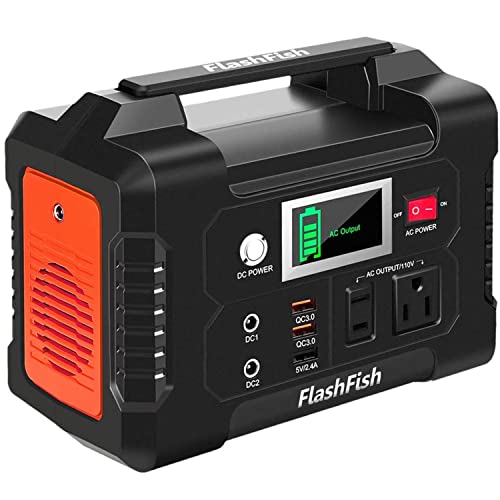 TOP CHOICEBest for small loadsPortable Power Station 200W, FF Flashfish 40800mAhView on Amazon
- 2
 TOP CHOICEBest for light backup with solarPortable Solar Generator 300W Portable Power Station with 60W Solar PanelView on Amazon
- 3
 TOP CHOICEBest budget pickSolar Powered Generator 100W Portable Power Station with Solar Panels 40WView on Amazon
- 4
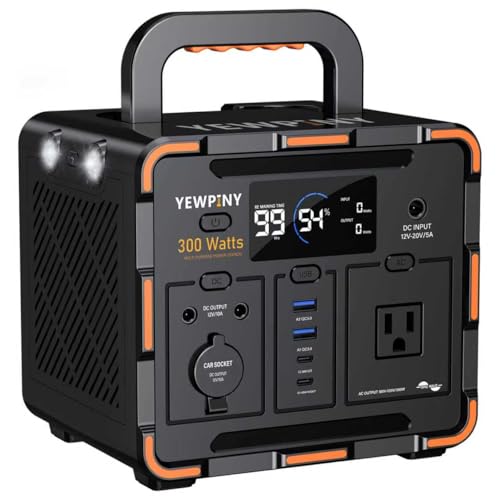 Best for USB-C charging300W Portable Power Station, Solar Generator 259Wh with 65W USB-C PDView on Amazon
- 5
 Best established brandJackery Explorer 300 Portable Power StationView on Amazon
- 6
 Best for longer runtimeDARAN Portable Power Station 288Wh LiFePO4 Battery 350WView on Amazon
Our Top Picks
| Product | Best for | Key feature |
|---|---|---|
| Portable Power Station 200W, FF Flashfish 40800mAh | Small loads and phone charging | 110V AC outlets plus DC ports |
| Portable Solar Generator 300W with 60W Solar Panel | Light backup with solar recharging | 280Wh battery and pure sine wave output |
| Solar Powered Generator 100W with Solar Panels 40W | Budget-minded buyers | 146Wh capacity with bundled panels |
| 300W Portable Power Station, Solar Generator 259Wh | USB-C device charging | 65W USB-C PD output |
| Jackery Explorer 300 Portable Power Station | Buyers who want a known brand | 292Wh LiFePO4 battery |
| DARAN Portable Power Station 288Wh | Longer runtime for small appliances | 350W continuous output, 600W peak |
Portable Power Station 200W, FF Flashfish 40800mAh
Portable Power Station 200W, FF Flashfish 40800mAh Backup Power Battery Pack With 110V AC Outlets/2 DC Ports/3 USB Ports, Solar Generator Power Supply For Home Backup, Power Outages, and Camping
Best for: Small loads and phone charging
This is a compact option for people who mainly need to keep phones, lights, a laptop, or a small fan running during a short outage. Its 200W rating limits it to modest devices, so it is not suited to a refrigerator or CPAP over a full night unless you add capacity.
Key specs
- 200W rated output
- 110V AC outlets and DC ports
- 40800mAh listed capacity
Pros
- Compact and easy to carry
- Multiple output types
- Simple plug-and-use setup
Cons
- Limited power for large appliances
- Short runtime under heavy load
Bottom line: A sensible pick for light, occasional backup rather than whole-room power.
View on AmazonPortable Solar Generator 300W Portable Power Station with 60W Solar Panel
110V Pure Sine Wave 280Wh Battery Solar Power Pack with USB QC3.0 DC AC Outlet for Camping Smart Device RV Van Outdoor-Orange Portable Solar Generator 300W Portable Power Station with 60W Solar Panel
Best for: Light backup with solar recharging
This model pairs a 300W inverter with a 60W panel, which suits people who want to recharge during daylight hours without relying on the grid. Charging speed depends heavily on sun exposure and panel angle.
Key specs
- 300W rated output
- 280Wh battery capacity
- 110V pure sine wave AC
Pros
- Pure sine wave output
- Solar panel included
- Good for electronics
Cons
- Modest total capacity
- Recharge slows in cloudy weather
Bottom line: Good for buyers who want a solar-ready kit for small loads.
View on AmazonSolar Powered Generator 100W Portable Power Station with Solar Panels 40W
Solar Powered Generator 100W, Portable Power Station with Solar Panels 40W | 146Wh Solar Power Bank with AC Outlet,USB A,USB C, DC Output, Small Solar Generator for Home Use Outdoor Camping RV Van Tri
Best for: Budget-minded buyers
A lower-output bundle aimed at people who want basic emergency power for phones, routers, and small lights. The 100W rating means it will not handle heating, cooking, or most motor-driven appliances.
Key specs
- 100W rated output
- 146Wh capacity
- 40W solar panel included
Pros
- Lightweight and portable
- Includes solar panel
- Straightforward controls
Cons
- Low output limits device choices
- Slow solar recharge
Bottom line: Best for minimal emergency kits rather than sustained backup.
View on Amazon300W Portable Power Station, Solar Generator 259Wh with 65W USB-C PD
300W Portable Power Station, Solar Generator 259Wh, with 65W USB-C PD | Pure Sine Wave AC, solar power bank for Camping, Outdoor Adventures, RV Trips, Home Backup and Emergency Power
Best for: USB-C device charging
The 65W USB-C Power Delivery port makes this a practical choice for laptops and tablets that charge over USB-C. Its 259Wh capacity suits short outages more than extended ones.
Key specs
- 300W rated output
- 259Wh capacity
- 65W USB-C PD port
Pros
- Fast USB-C charging
- Pure sine wave AC
- Compact footprint
Cons
- Limited runtime for larger loads
- Solar input depends on panel choice
Bottom line: A good match for buyers who mostly charge modern laptops and phones.
View on AmazonJackery Explorer 300 Portable Power Station
Backup LiFePO4 Battery, Solar Generator for Outdoors, Camping, Travel, Hunting, Blackout (Solar Panel Optional) Jackery Explorer 300 Portable Power Station,292Wh
Best for: Buyers who want an established brand
Jackery is a well-known name in portable power, and the Explorer 300 uses LiFePO4 chemistry, which owners often cite for longer cycle life than older lithium-ion designs. It is a sound choice for outdoor trips and home backup of small devices.
Key specs
- 292Wh LiFePO4 battery
- Pure sine wave AC output
- Designed for outdoor use
Pros
- Established brand support
- LiFePO4 battery chemistry
- Reliable for camping and backup
Cons
- Modest capacity for larger appliances
- Solar charging requires a separate panel
Bottom line: A dependable choice for buyers who value brand reputation over the lowest output.
View on AmazonDARAN Portable Power Station 288Wh LiFePO4 Battery 350W
DARAN Portable Power Station, 288Wh LiFePO4 Battery, 350W (600W Peak) Power Bank with AC Outlet, Mini Solar Generator 7-Port Design, 2.1Hrs Fast Charing for Emergency, Hurricane (Solar Optional)
Best for: Longer runtime for small appliances
With 288Wh of LiFePO4 capacity and a 350W continuous rating, this unit handles small appliances for longer than the lower-capacity options. Peak output of 600W covers brief surge demands.
Key specs
- 288Wh LiFePO4 battery
- 350W continuous, 600W peak
- AC outlet with mini solar input
Pros
- Good capacity for its size
- Handles short surge loads
- LiFePO4 battery chemistry
Cons
- Not suited to heating or cooking
- Solar input is limited
Bottom line: A solid mid-range pick for small appliance backup.
View on AmazonBuying Guide
Watt-hour capacity
Watt-hours (Wh) tell you how much energy the battery stores. Divide capacity by the wattage of your device to estimate runtime, then reduce the result by about 15 to 20 percent for inverter losses. A 288Wh unit running a 50W load gives roughly four to five hours before losses.
Good picks for this: DARAN Portable Power Station 288Wh, Jackery Explorer 300
Continuous versus peak output
Continuous wattage is what the unit can supply indefinitely. Peak wattage is a short burst, usually for motor startup. Check that continuous output covers your running load, and that peak covers any appliance surge.
Good picks for this: 300W Portable Power Station, DARAN Portable Power Station 288Wh
Outlets and ports
Confirm the unit has the outlet type you need, typically 110V AC, plus USB-A or USB-C ports for phones and laptops. USB-C Power Delivery ports charge faster than standard USB-A on compatible devices.
Good picks for this: Portable Power Station 200W, 300W Portable Power Station
Solar input and recharge time
Solar input rating in watts determines how quickly the battery recharges in full sun. Recharge times run much longer on cloudy days or with a panel facing the wrong direction. Plan for solar as a supplement rather than your only charging source.
Good picks for this: Portable Solar Generator 300W, Solar Powered Generator 100W
Weight and portability
Batteries add weight quickly, so a larger capacity usually means a heavier unit. Decide whether you need to carry it up stairs or move it between rooms, and balance that against the runtime you need.
Good picks for this: Solar Powered Generator 100W, Portable Power Station 200W
FAQ
Can a flashfish portable solar generator run a refrigerator?
Many small units can start a compact refrigerator briefly, but running one for hours drains a small battery quickly. Check the appliance’s running wattage and compare it against the unit’s continuous output and watt-hour capacity before relying on it.
How long does a portable solar generator take to recharge with solar?
Recharge time depends on panel wattage, sun angle, and weather. Small panels in good sun may take most of a day to fill a battery of a few hundred watt-hours. Cloudy conditions extend this considerably.
What is the difference between a power station and a solar generator?
A power station is the battery and inverter unit. A solar generator is usually a power station sold with a solar panel. Many units work with either grid charging or solar, so check which charging methods the listing includes.
Is LiFePO4 better than standard lithium-ion for backup power?
LiFePO4 batteries are generally regarded as more stable and longer-lasting over many charge cycles, which is why many backup manufacturers use them. Confirm the chemistry in the product specifications before buying.
For electrical or medical backup needs, such as CPAP machines or medical devices, consult a qualified professional before relying on any portable unit.
Conclusion
For small devices and short outages, the 200W Flashfish-style unit or the 100W bundle is a reasonable starting point. Buyers who want solar recharging should consider the 300W model with its included panel. Those who charge USB-C laptops will benefit from the 65W PD port, while the Jackery and DARAN options suit buyers wanting brand familiarity or longer runtime for small appliances.
Sources
- Guidance on home energy storage and backup power planning (energy.gov)
- Safety recalls and consumer advice for portable batteries and chargers (cpsc.gov)
Before you buy: helpful guides
Related reading
- Portable Solar Panels for Solar Generators: What to Look For
- Portable Solar Generator vs Home Battery System
- How to Choose a Portable Solar Generator: Weight vs Capacity
About Graham Fisher
Graham Fisher is part of our editorial team and reviews and edits our solar generators for home backup & emergencies guides, checking product details against manufacturer specifications and owner feedback.




