 By Graham Fisher
Updated November 2026
A Jackery 200 watt solar panel produces up to 200 watts under ideal sun, but the energy it actually delivers to your power station is usually lower. Real-world charging depends on sunlight angle, temperature, shading, and the charge controller in your power station. For most users, a single 200 watt panel adds a steady trickle of energy over a day rather than a fast recharge.
Why Real Output Falls Below 200 Watts
Panel ratings are measured under standard test conditions, which assume strong direct sunlight and a cool panel. Outdoors, panels rarely hit that mark for long. Heat reduces efficiency, haze and clouds cut irradiance, and the panel’s tilt relative to the sun changes how much light it captures through the day. Manufacturers typically specify the rated wattage under those lab conditions, so expect meaningful daily variation.
Shopping for one? See our guide: 4 Best Jackery 1500 V2 With Solar Panel Options for Home Backup (2026).
Your power station also limits intake. The input rating of the station and its MPPT controller set the ceiling on how much current it will accept. If the station cannot take the full 200 watts, the extra capacity goes unused, and a larger panel will not help.
Factors That Change Your Daily Charge
Several variables shape how much energy reaches your battery in a day:
- Sun hours: Estimate peak sun hours for your location. Many parts of the US see roughly 4 to 6 peak sun hours on an average day, though winter and northern latitudes often fall lower.
- Panel angle: A fixed, flat panel loses output compared with one tilted toward the sun. Adjustable kickstands help.
- Shading: Even partial shade from a branch or cable can reduce output noticeably.
- Temperature: Hot panels deliver less power, so airflow around the panel helps.
As a rough planning figure, multiply the panel’s rated watts by your peak sun hours, then apply a loss factor of about 20 to 30 percent. That gives a more realistic daily watt-hour estimate to compare with your appliance needs. For a more detailed approach, see our Solar Panel Size Calculator for Portable Power Stations.
What to Do About It
Start by matching the panel to your battery and your loads. A single panel extends runtime during a multi-day outage but will not fully recharge a large battery in one sunny afternoon. Check that your power station accepts the panel’s voltage and connector type before buying. Our guide to Solar Panel Compatibility With Power Stations: Voltage, Connectors and MPPT Limits covers the details.
- Confirm the station’s maximum solar input wattage in its manual.
- Estimate your daily watt-hour need for critical loads such as a fridge or CPAP.
- Place the panel in full sun, angled toward the sun at midday, and keep it clear of shade.
- Check output with the station’s display and adjust the tilt during the day.
- Use the correct extension cable for distance. Review Jackery Solar Panel Extension Cable: How to Choose and Connect One Safely (2026) before running long lengths.
What We’d Use
A carrying case protects the panel during transport and keeps the cells clean between uses. View on Amazon
A spare or longer cable helps position the panel in the best sun spot. View on Amazon
FAQ
How long does a 200 watt panel take to charge a power station?
It depends on the battery size, sunlight, and the station’s input limit. A large battery can take a full day or more of good sun, so plan runtime around partial charging.
Can I connect two 200 watt panels to one Jackery station?
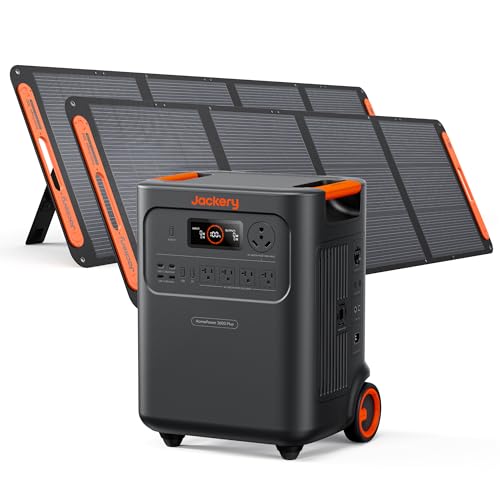
Some stations accept multiple panels in parallel, but only up to the input rating listed in the manual. Check the maximum input before adding a second panel.
Is a 200 watt panel enough for a CPAP and fridge?
It can help offset daily use, especially with a sized battery, but it rarely covers both fully on a cloudy day. Consult a medical provider about backup needs for any medical device.
Related reading
- Jackery Solarsaga 500x Solar Panel: A Practical Guide (2026)
- Jackery SolarSaga 200 Solar Panel: Specs, Charging Output and Setup Tips
- Jackery Solar Panel Connector: How to Wire and Connect Panels Safely
Ready to choose one?
About Graham Fisher
Graham Fisher is part of our editorial team and reviews and edits our solar generators for home backup & emergencies guides, checking product details against manufacturer specifications and owner feedback.