 By Graham Fisher
Updated November 2026
The jackery 1000v2 solar input accepts a limited range of panel voltage and wattage, and staying inside those limits is the difference between steady charging and a unit that shuts down or gets damaged. This guide walks through how to check the input specs, size your panel array, and connect it safely. Use the manufacturer’s manual for exact figures, since specifications can differ by revision and accessory.
Check the Input Limits Before You Buy or Connect Panels
Start by reading the solar input rating printed on the unit and in the manual. Manufacturers list a maximum input wattage and a voltage window, and the charge controller will refuse or throttle power outside that window. Look for three numbers: the maximum input watts, the open-circuit voltage ceiling, and the operating voltage range for maximum power point tracking.
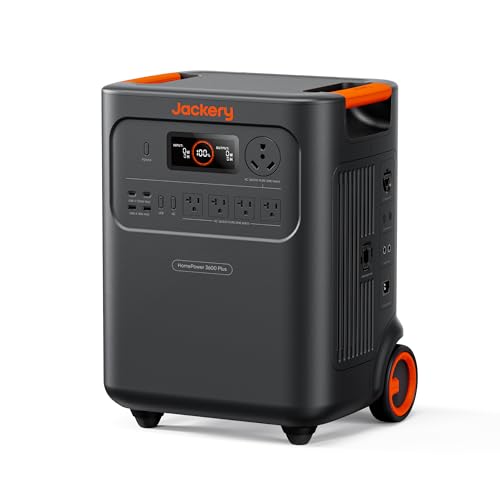
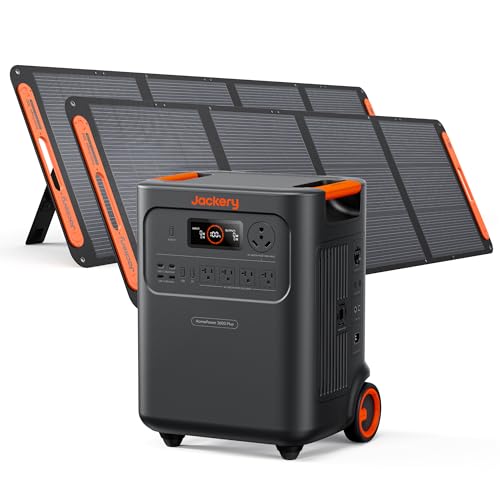
Shopping for one? See our guide: Jackery HomePower 3600 Plus Solar Generator: 5 Best Picks Compared (2026).
Panels rated above the unit’s wattage limit will not charge faster than the limit allows, so a larger array is only useful up to that ceiling. Plan your array around the input cap, not around the panel nameplate alone.
Match Panel Voltage and Wattage to the Input
Panels wired in series add voltage, while panels wired in parallel add current. Series wiring is the usual choice for a higher-voltage input, but the total open-circuit voltage on cold mornings can run higher than the rated voltage. Calculate the worst case by multiplying each panel’s open-circuit voltage by the number of panels in series, then confirm the total stays under the unit’s ceiling.
A practical checklist before connecting:
- Record the unit’s maximum solar input watts and voltage ceiling from the manual.
- Note each panel’s rated power, open-circuit voltage and short-circuit current.
- Multiply open-circuit voltage by panels in series, and adjust upward for cold temperatures.
- Confirm the total wattage does not exceed the unit’s input cap.
- Use connectors and cables rated for the current your array can produce.
Connect Panels Safely and Confirm Charging
Power down the unit and disconnect any load before you change wiring. Connect the panels or their cable to the solar input port using the correct adapter, and make sure each connector clicks fully into place. Loose connections heat up under load and are a common cause of intermittent charging.
After connecting, check the unit’s display or app for incoming solar watts. If the reading is zero in direct sun, recheck polarity, connector seating and panel orientation. Panels that are shaded, dirty or tilted away from the sun will show much lower output than their rating, which is normal and not a fault.
Expect Lower Real-World Output
Solar output varies with sun angle, season, temperature and cloud cover. Owners often report that actual input runs well below the panel nameplate for much of the day, so plan backup runtime around realistic averages rather than peak numbers.
Common Mistakes
- Oversizing the array past the input cap and expecting faster charging.
- Ignoring cold-weather voltage rise, which can exceed the input ceiling on clear winter mornings.
- Mixing panels with different ratings in one series string, which limits output to the weakest panel.
- Using undersized cables or adapters that overheat under sustained current.
- Forgetting to clean panels, which can cut output noticeably.
Recommended Gear
- Matching solar panel cable for the input port: Keeps connections secure and rated for your array’s current. View on Amazon
- Solar panel connector kit: Useful when you need to join or extend panel runs without improvised wiring. View on Amazon
- Multimeter: Lets you measure open-circuit voltage on cold days before connecting. View on Amazon
For related setup details, see Jackery Solar Generator 1000 V2: Runtime, Sizing and Setup for Home Backup, and for wiring options check Jackery Solar Panel Cable: How to Choose and Connect the Right One. If you are adding more panels, Jackery Solar Panel Extension Cable: How to Choose and Connect One Safely (2026) covers safe extension runs, and Jackery Solar Panel Adapter: How to Connect Panels Safely (2026) explains adapter compatibility.
FAQ
What is the maximum solar input for the jackery 1000v2?
The maximum solar input is listed in the product manual and on the unit’s specification sheet. Check the current figure for your model revision, because the limit determines the largest useful array.
Can I connect more panels than the input rating allows?
You can, but the unit will only accept power up to its rated input cap. Extra panels add no benefit beyond that point and can push voltage past the safe ceiling in cold weather.
Why does my jackery 1000v2 solar input show low wattage?
Shade, dirt, sun angle, temperature and cloud cover all reduce output below the panel’s rating. Clean the panels, adjust their tilt toward the sun, and confirm connectors are fully seated.
Conclusion
Matching your array to the jackery 1000v2 solar input limits keeps charging steady and protects the unit. Check the voltage and wattage ceilings first, calculate cold-weather voltage, and connect with rated cables. Consult the manufacturer’s manual or a qualified electrician if you are unsure about wiring.
Related reading
- Shop Deals on Jackery Solar Generator: 7 Best Picks Compared (2026)
- Jackery Solarsaga 500x Solar Panel: A Practical Guide (2026)
Ready to choose one?
About Graham Fisher
Graham Fisher is part of our editorial team and reviews and edits our solar generators for home backup & emergencies guides, checking product details against manufacturer specifications and owner feedback.