By Emily Parker
When the grid goes down, a solar generator can keep your essential devices running without the noise, fumes, and fuel logistics of a conventional gas generator. Choosing the right one for emergencies means matching its capacity to your critical loads and understanding how it will be recharged during a prolonged outage. This guide walks through the key factors to consider so you can select a reliable backup power source for your household and gain peace of mind during unpredictable weather.
What Is a Solar Generator and Who Needs One?
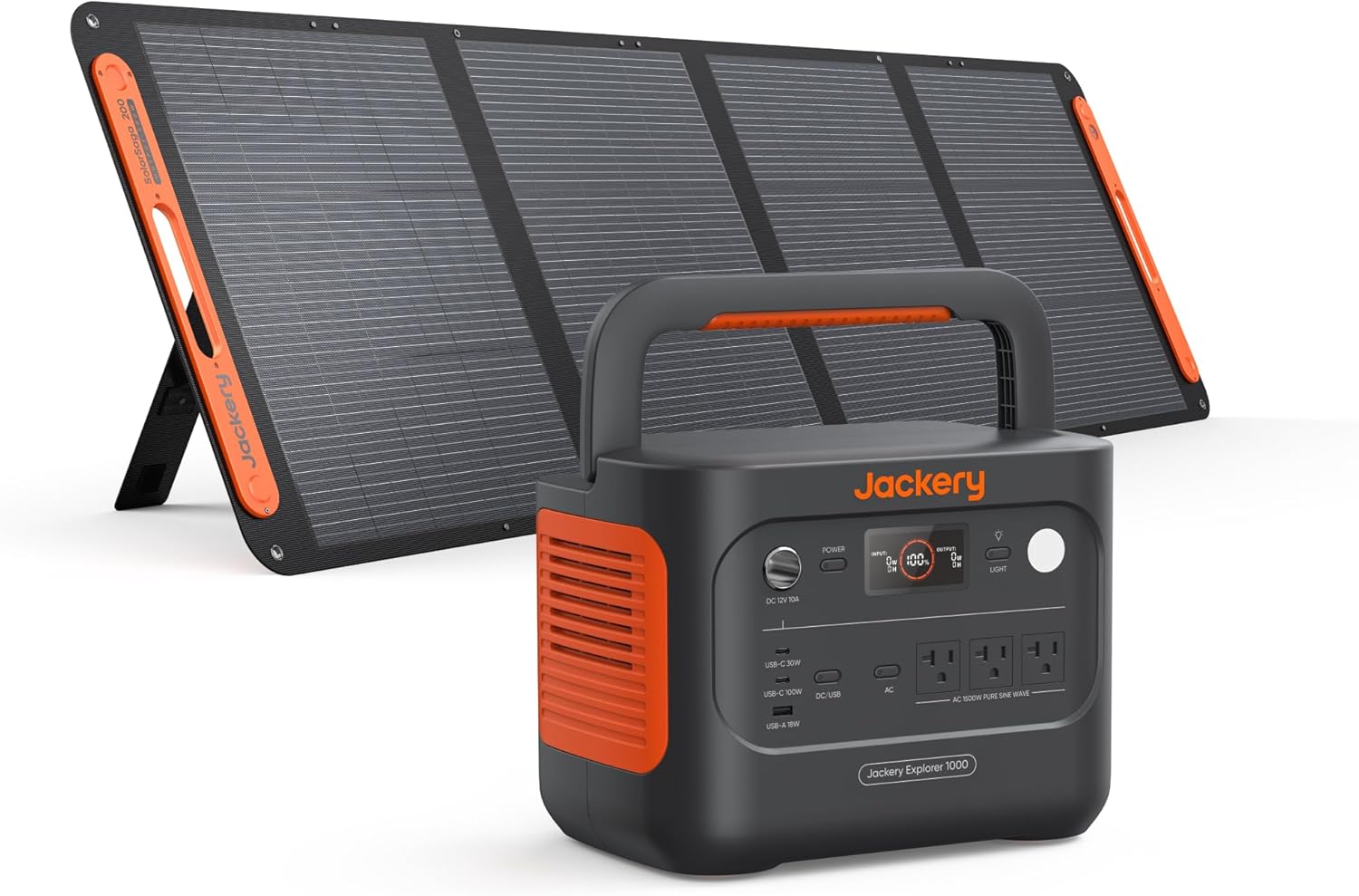
A solar generator is an all-in-one unit that combines a battery, an inverter, and a charge controller into a single portable package. It stores energy from solar panels or an AC wall outlet and converts it to standard household power when needed. For emergency preparedness, it offers a clean, quiet, and portable power source that is ready to deploy at a moment’s notice.
Solar generators are ideal for anyone who wants backup power without the maintenance and safety risks of fuel generators. Because they produce no exhaust, they are safe to use indoors, making them suitable for apartments, bedrooms, and offices where a gas generator cannot be placed. They are a practical choice for keeping a refrigerator running, charging phones, powering lights, and running a Wi-Fi router during an outage. They also work well for powering medical devices, provided the unit’s specifications match the device requirements.
Identifying Your Critical Loads
Before you compare generators, you must know what you need to power. In an emergency, you likely will not run your entire house. Focus on the essentials.
Essential Devices to Consider
- Refrigerator and Freezer: Keeping food cold is a top priority. Refrigerators cycle on and off, drawing a high surge when the compressor starts.
- Lights: LED bulbs draw very little power and make a big difference in comfort and safety.
- Communication Devices: Phones, tablets, and a Wi-Fi router keep you connected to news and loved ones.
- Medical Devices: CPAP machines, oxygen concentrators, or other essential medical equipment require careful planning. Always consult the device manufacturer and your healthcare provider to confirm the power requirements and battery backup compatibility. Some devices have internal batteries that can be charged, while others must run directly from the generator. Have a backup plan in case the generator is depleted.
Estimating Your Daily Energy Needs
A common planning approach is to list the wattage of each device and estimate how many hours per day you need to run it. This gives you a rough daily watt-hour target. The following table provides a hypothetical example for illustration. Your actual loads will vary, so check the spec sheet of your specific appliances.
| Device | Typical Power Draw (Watts) | Estimated Daily Run Time (Hours) | Estimated Daily Energy (Watt-hours) |
|---|---|---|---|
| Refrigerator (Energy Star) | 150 | 8 | 1,200 |
| LED Lights (5 bulbs) | 30 | 6 | 180 |
| Phones / Laptops | 20 | 4 | 80 |
| Wi-Fi Router | 10 | 24 | 240 |
| Total Estimated Daily Energy | 1,700 |
This total gives you a baseline. You will want a generator with a capacity that exceeds this number, accounting for inverter efficiency (a common planning assumption is 85 to 90 percent) and the fact that you might not get full solar recharge every day. A generator with a capacity of 2,000 watt-hours would give you a comfortable buffer for the loads listed above.
Key Features That Matter During an Outage
Not all solar generators are created equal. When shopping for emergency backup, pay attention to these features.
Battery Capacity and Chemistry
Capacity is measured in watt-hours (Wh). For the example above, that points to roughly 2,000 Wh or more of capacity for one day without recharging. For longer outages or medical equipment, you may need a larger unit or one that supports expansion batteries.
Battery chemistry is critical. Lithium iron phosphate (LiFePO4) is the current standard for emergency solar generators. It offers a long cycle life, excellent safety characteristics, and the ability to hold a charge for extended periods without degrading quickly.
Inverter Type
Look for a pure sine wave inverter. This type of inverter produces clean power that is safe for sensitive electronics like medical devices, laptops, and variable-speed appliances. Modified sine wave inverters can cause issues with some electronics and are generally not recommended for critical medical or computing loads.
Charge Controller
The charge controller manages the power coming from the solar panels. Maximum Power Point Tracking (MPPT) controllers are more efficient than Pulse Width Modulation (PWM) controllers, especially in cooler weather or partial shade. MPPT is the preferred type for emergency solar generators.
Recharge Options
During an emergency, you need flexibility in how you recharge your generator.
- AC Wall Charging: Essential for pre-charging before a storm and for topping up when grid power is available.
- Solar Charging: The primary method during a long outage. Check the generator’s maximum solar input voltage and wattage. A foldable solar panel array in the 100 to 400 watt range is a common pairing for emergency recharging. A common rule of thumb is that a 100-watt panel can generate roughly 300 to 500 watt-hours of energy per day in good sun, depending on your latitude and season. This is an estimate, and you should always have a backup charging method.
- Car Charging: Many generators can be charged from a vehicle’s 12V DC outlet, which can be a useful backup if you have access to a running car.
For a curated list of models that fit these criteria, refer to our guide on the best solar generators for emergencies.
Sizing, Fit, and Compatibility
Matching the generator to your needs involves more than just total watt-hours. You must also consider the inverter’s continuous and surge power ratings.
Appliances with motors, like refrigerators and sump pumps, can draw two to three times their running wattage for a split second when starting. Ensure the generator’s inverter can handle this surge. If your refrigerator draws 150 watts running, it might need 600 watts to start. A generator with a 1,000 watt continuous inverter is a safer bet than one rated for 300 watts.
Understanding the relationship between units is helpful. Watt-hours = amp-hours x volts. Most generators list capacity in watt-hours, which is the most useful unit for comparing them. To convert your daily needs, simply add up the watt-hours of each device.
For a detailed walkthrough of this calculation, see our guide on how to size a solar generator. If you are working within a strict budget, our guide on how to choose a budget solar generator without regret covers how to prioritize the most critical features.
Common Buying Mistakes
- Ignoring Surge Power: Buying a generator with an inverter too small to start your refrigerator or freezer is a common pitfall. Always check the starting watts of your appliances.
- Forgetting Recharge Time: A large battery is useless if you cannot recharge it. Factor in the wattage of your solar panels and the typical sunlight hours in your area. A 200W solar panel might take a full day of good sun to recharge a 1,000 Wh battery.
- Overlooking Ports and Outputs: Ensure the generator has enough AC outlets, USB-A, and USB-C ports for your needs. If you need to power a medical device and a router simultaneously, check the number of outlets.
- Assuming All Solar Panels Are Compatible: Not all solar panels work with all generators. Check the connector type (MC4 is common) and the voltage limits of your generator’s charge controller.
- Neglecting the Battery Management System: A good BMS is crucial for safety and battery longevity. It protects the battery from overcharging, overheating, and deep discharge. This is a standard feature in quality units but worth confirming.
Care, Cleaning, and Upkeep
Like any emergency gear, a solar generator needs periodic attention to ensure it works when you need it.
- Battery Maintenance: Check the charge level every few months and top it up to the recommended storage level. Periodically run it through a discharge and recharge cycle to keep the battery management system calibrated.
- Physical Care: Keep the unit clean and free of dust. Store it in a temperature-controlled environment, avoiding extreme heat or cold.
- Solar Panel Care: If you use solar panels, wipe them down occasionally to remove dust and debris that can reduce efficiency. Store them in a protective case when not in use.
FAQ
Can I run a refrigerator on a solar generator?
Yes, if the generator’s inverter can handle the refrigerator’s starting surge and the battery has enough capacity for its daily energy use. Check the fridge’s label for running and starting watts. An Energy Star model will require less power.
How do I recharge my solar generator during a multi-day outage?
Solar panels are the primary method. Some generators can also be charged from a vehicle’s DC outlet or a gas generator if available. Plan your solar panel wattage based on your average daily energy needs. A larger panel array will recharge the battery faster on a cloudy day.
Is it safe to use a solar generator indoors?
Yes, solar generators produce no carbon monoxide or exhaust fumes, making them safe for indoor use during an emergency. Always place it on a stable, dry surface and follow the manufacturer’s instructions. Never use a fuel generator indoors.
What battery chemistry should I look for?
Lithium iron phosphate (LiFePO4) is the current standard for emergency solar generators due to its long cycle life, safety, and ability to hold a charge for extended periods. It is a significant upgrade over older lead-acid or lithium-ion chemistries for this application.
How long will a solar generator last?
The lifespan is measured in charge cycles. LiFePO4 batteries typically last for 2,000 to 5,000 cycles before their capacity drops to 80 percent. This translates to many years of regular use or emergency backup, far outlasting other battery types.
Choosing a solar generator for emergencies is about matching the tool to your specific needs. By carefully listing your critical loads, understanding the generator’s specifications, and planning your recharge strategy, you can ensure you have reliable backup power when you need it most. For a curated look at available options, see our guide on emergency power stations or browse our main Solar Generator Buying Guides for more information.
About Emily Parker
Emily Parker is part of our editorial team and reviews and edits our solar generators for home backup & emergencies guides, checking product details against manufacturer specifications and owner feedback.