
 By Graham Fisher
Updated November 2026
Choosing an aimtom portable solar generator starts with one question: how much power do you actually need during an outage? This guide compares six portable solar generator kits on battery capacity, continuous output, recharge options, and included solar panels. We weighed manufacturer specifications, brand reputation, and the patterns owners tend to report, so you can match a unit to fridge, CPAP, or sump pump needs without guessing.
Our top picks at a glance
- 1
 TOP CHOICEBest overallJackery Solar Generator 1000 v2 and 200W Solar PanelView on Amazon
- 2
 TOP CHOICEBest for small loadsMARBERO 155Wh Solar Generator with Solar Panel IncludedView on Amazon
- 3
 TOP CHOICEBest budget pickSolar Powered Generator 100W, Portable Power Station with Solar Panels 40WView on Amazon
- 4
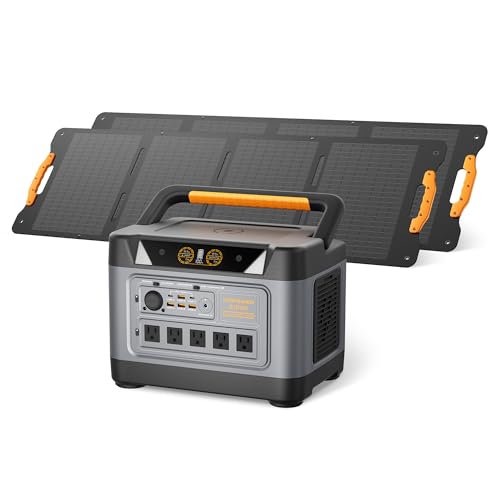 Best for mid-size backupUDPOWER S1200 Portable Power Station with 2 x 120W Solar PanelsView on Amazon
- 5
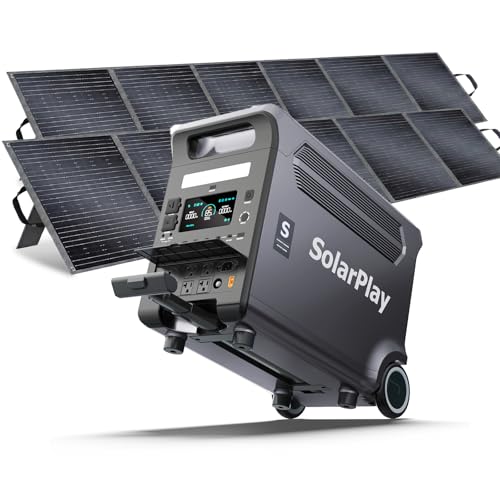 Best for whole-home coverageSolarPlay Portable Power Station, 3600W(5500W Peak), 3840Wh Solar GeneView on Amazon
- 6
 Best for compact travel and backupVTOMAN Jump 600X 600W Portable Power Station with 110W Foldable Solar PanelView on Amazon
Our Top Picks
Quick Comparison
| Product | Best for | Key feature |
|---|---|---|
| Jackery Solar Generator 1000 v2 and 200W Solar Panel | Overall home backup | 1,024Wh LiFePO4 battery, 1,500W output |
| MARBERO 155Wh Solar Generator with Solar Panel Included | Small loads and lights | 155Wh capacity, panel included |
| Solar Powered Generator 100W, Portable Power Station with Solar Panels 40W | Budget emergency kit | 146Wh capacity, AC outlet |
| UDPOWER S1200 Portable Power Station with 2 x 120W Solar Panels | Mid-size backup | 1,191Wh LiFePO4, 1,200W output |
| SolarPlay Portable Power Station, 3600W (5500W Peak), 3840Wh | Whole-home coverage | 3,840Wh capacity, 3,600W output |
| VTOMAN Jump 600X 600W Portable Power Station with 110W Foldable Solar Panel | Compact travel and backup | 268.8Wh capacity, 170W fast recharge |
Jackery Solar Generator 1000 v2 and 200W Solar Panel
Jackery Solar Generator 1000 v2 and 200W Solar Panel,1024Wh LiFePO4 Battery | 1500W (3000W Peak), 50-Min Fast Charge, 10ms UPS Solar Generator for Home Emergency, Camping & RV
Best for: Overall home backup for fridges, lights, and CPAP machines
Suited to households that want a single kit covering most essential outage loads with a paired panel for daytime recharging.
Key specs:
- 1,024Wh LiFePO4 battery
- 1,500W output (3,000W peak)
- 200W solar panel included
Pros:
- Large capacity for multi-device use
- Fast recharge option
- Well-established brand
Cons:
- Heavier than small units
- Needs sunny conditions for full solar charging
Bottom line: The strongest all-around choice for a typical household outage kit.
View on AmazonMARBERO 155Wh Solar Generator with Solar Panel Included
MARBERO 155Wh Solar Generator with Solar Panel Included 30W Solar Panel Kit | Solar Powered Generator 150W Surge Portable Power Station with Solar Panel for Camping Home Emergency Blackout Outdoor Hik
Best for: Small loads such as phone charging, LED lights, and routers
Fits apartment dwellers or anyone who needs basic power for a few hours rather than a full day of backup.
Key specs:
- 155Wh capacity
- 30W solar panel kit included
- 150W-class output
Pros:
- Light and easy to move
- Panel included
- Simple setup
Cons:
- Limited runtime for appliances
- Slow solar recharge
Bottom line: A good pick for essential electronics, not refrigerators.
View on AmazonSolar Powered Generator 100W, Portable Power Station with Solar Panels 40W
Solar Powered Generator 100W, Portable Power Station with Solar Panels 40W | 146Wh Solar Power Bank with AC Outlet,USB A,USB C, DC Output, Small Solar Generator for Home Use Outdoor Camping RV Van Tri
Best for: Budget emergency kits for short outages
Works for households that want a low-commitment backup for phones, lamps, and small devices.
Key specs:
- 146Wh capacity
- 40W solar panel
- AC outlet included
Pros:
- Affordable entry point
- Includes AC and USB outputs
- Compact footprint
Cons:
- Too small for most major appliances
- Panel output is modest
Bottom line: Ideal as a starter unit for minimal emergency needs.
View on AmazonUDPOWER S1200 Portable Power Station with 2 x 120W Solar Panels
UDPOWER S1200 Portable Power Station with 2 x 120W Solar Panels | 1,191Wh LiFePO4 Battery, 1,200W Output, Solar Generator for Home Backup, Outdoor and Emergency Use
Best for: Mid-size backup for a few essential appliances
Targets households running a small fridge or medical device during an outage, with two panels for faster daytime recharging.
Key specs:
- 1,191Wh LiFePO4 battery
- 1,200W output
- 2 x 120W solar panels
Pros:
- Two panels for faster solar input
- Solid capacity for the price class
- LiFePO4 chemistry for long cycle life
Cons:
- Panels add setup effort
- Not enough for central air
Bottom line: A strong middle ground between small kits and whole-home systems.
View on AmazonSolarPlay Portable Power Station, 3600W (5500W Peak), 3840Wh Solar Generator with 2 * 400W Solar Panel
SolarPlay Portable Power Station, 3600W(5500W Peak), 3840Wh Solar Generator with 2 * 400W Solar Panel 2Hrs Fast Charging LiFePO4 Battery, Adjustable, UPS with AC output for Home Camping Outdoor
Best for: Whole-home coverage during longer outages
Suited to larger households or homes with power-hungry loads such as well pumps and space heaters, where a bigger battery pays off.
Key specs:
- 3,840Wh capacity
- 3,600W continuous output (5,500W peak)
- 2 x 400W solar panels
Pros:
- Very high capacity
- High continuous output
- Substantial panel input
Cons:
- Heavy and bulky to move
- Panels need a good installation spot
Bottom line: Best for households that need more runtime than a mid-size kit can deliver.
View on AmazonVTOMAN Jump 600X 600W Portable Power Station with 110W Foldable Solar Panel
VTOMAN Jump 600X 600W Portable Power Station with 110W Foldable Solar Panel | 170W Fast Recharge, 268.8Wh LiFePO4 Battery, 100W USB-C Output, 1200W Surge Solar Generator Kit for Camping, RV, Home Back
Best for: Compact travel and light backup
Fits people who want a portable unit for camping or short outages, with a foldable panel that stores easily.
Key specs:
- 268.8Wh capacity
- 600W output
- 110W foldable solar panel
Pros:
- Easy to carry
- Fast recharge option
- Foldable panel
Cons:
- Limited capacity for extended outages
- Smaller battery than larger kits
Bottom line: Good for mobile use and short backup, less so for multi-day outages.
View on AmazonBuying Guide
Battery Capacity and Watt-Hours
Watt-hours (Wh) tell you how much energy the battery stores. Divide the Wh by the wattage of a device to estimate runtime, then add a 15 percent loss allowance for conversion. A refrigerator averaging around 150 watts, for example, will run far longer on a 1,000Wh battery than on a 155Wh one.
Good picks for this: Jackery Solar Generator 1000 v2 and 200W Solar Panel, SolarPlay Portable Power Station
Continuous Output and Surge Ratings
Check the continuous wattage first, since it determines what you can run at once. Motors such as well pumps and sump pumps draw a surge on startup, so confirm the peak rating as well. Mismatched output is a common cause of tripped units during outages.
Good picks for this: UDPOWER S1200 Portable Power Station, SolarPlay Portable Power Station
Solar Panel Input and Recharge Speed
Panel wattage and the number of panels set how quickly the battery refills in sunlight. Manufacturers usually list maximum input, but real output depends on sun angle, weather, and shading. Plan for slower recharge on cloudy days and consider a second panel for faster daytime charging.
Good picks for this: UDPOWER S1200 Portable Power Station, VTOMAN Jump 600X Portable Power Station
Weight and Portability
Larger batteries weigh considerably more, and lifting a heavy unit during an emergency can be difficult. Consider who will move it and where it will sit. A compact unit suits apartments, while a bigger kit fits better in a garage or basement with a fixed location.
Good picks for this: MARBERO 155Wh Solar Generator, VTOMAN Jump 600X Portable Power Station
Battery Chemistry and Lifespan
LiFePO4 batteries generally offer a longer cycle life than older lithium-ion chemistries and handle repeated deep discharges better. Manufacturers often cite cycle counts, but actual lifespan depends on temperature and charging habits. Store the unit in a cool, dry place when not in use.
Good picks for this: Jackery Solar Generator 1000 v2 and 200W Solar Panel, UDPOWER S1200 Portable Power Station
FAQ
How many watt-hours do I need for a refrigerator during an outage?
A typical fridge uses roughly 1 to 2 kWh per day, so a battery of around 1,000Wh can cover part of a day. Cycling the compressor reduces use. Exact needs depend on the appliance and its efficiency rating.
Can a portable solar generator run a CPAP machine?
Many CPAP machines draw modest power and can run for a night on a mid-size battery. Confirm the device wattage and consult your medical provider about backup planning.
Are the included solar panels enough to recharge fully?
Included panels often charge slowly, especially in cloudy weather. Adding a second panel or using a wall outlet as a backup charging source can shorten recharge time.
Is LiFePO4 better than other battery types?
LiFePO4 is generally regarded as more durable across many charge cycles and safer under heat stress. It is heavier per watt-hour than some alternatives, which is a trade-off worth weighing.
How do I size a unit for my home?
List the devices you must run, add their wattages and hours of use, then choose a battery that covers the total with margin. A consultation with a licensed electrician is advisable for any connection to household wiring.
Conclusion
For most households, the Jackery Solar Generator 1000 v2 offers the most balanced mix of capacity and output. Choose the MARBERO or the budget 100W unit for basic electronics, the UDPOWER S1200 for a mid-size middle ground, and the SolarPlay for whole-home runtime. The VTOMAN Jump 600X suits people who need something portable first. Match capacity to your actual loads before you buy.
Sources
- Guidance on home energy use and backup power planning (energy.gov)
- Consumer safety information for portable batteries and generators (cpsc.gov)
Before you buy: helpful guides
Related reading
- Portable Solar Panels for Solar Generators: What to Look For
- Portable Solar Generator vs Home Battery System
- How to Choose a Portable Solar Generator: Weight vs Capacity
About Graham Fisher
Graham Fisher is part of our editorial team and reviews and edits our solar generators for home backup & emergencies guides, checking product details against manufacturer specifications and owner feedback.


