
 By Graham Fisher
Updated November 2026
Choosing the most reliable solar generator comes down to four things: usable battery capacity, continuous AC output, battery chemistry and how quickly the unit recharges from solar or wall power. For home backup, you also need enough capacity to run a refrigerator, lights, a router and a medical device through a multi-hour outage. This guide compares six well-known portable power stations sold on Amazon US, with notes on who each one suits. Specifications come from the product listings and manufacturer descriptions.
Our top picks at a glance
- 1
 TOP CHOICEBest overallJackery Solar Generator 1000 v2 and 200W Solar PanelView on Amazon
- 2
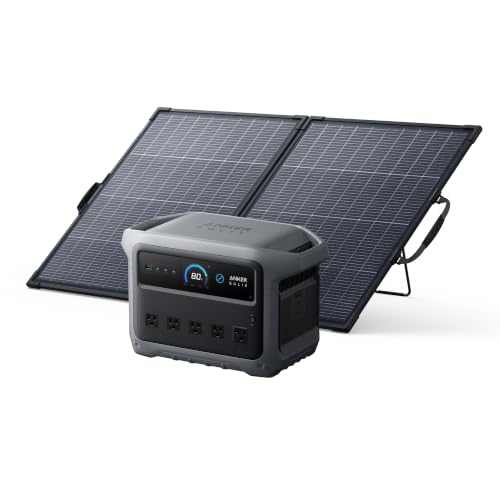 TOP CHOICEBest for larger loadsAnker SOLIX C1000 Gen 2 Solar Powered Generator with 200W Solar PanelView on Amazon
- 3
 TOP CHOICEBest for whole-home expansionABOK Ark3600 Portable Power Station 3600W, 3840Wh LiFePO4 BatteryView on Amazon
- 4
 Best for high-output appliancesJackery Explorer 2000 v2 Portable Power Station, 2042Wh, 2200W AC OutputView on Amazon
- 5
 Best for fast rechargingEF ECOFLOW Delta 3 Portable Power Station, 1024Wh 1800WView on Amazon
- 6
 Best budget pickJackery Explorer 1000 v2 Portable Power Station, 1024Wh LiFePO4 BatteryView on Amazon
Our Top Picks
Quick Comparison
| Product | Best for | Key feature |
|---|---|---|
| Jackery Solar Generator 1000 v2 and 200W Solar Panel | Overall backup with solar recharge | 1024Wh LiFePO4 battery, 1500W output |
| Anker SOLIX C1000 Gen 2 | Higher-wattage appliances | 2,000W portable power station |
| ABOK Ark3600 Portable Power Station | Expandable whole-home backup | 3840Wh LiFePO4, expandable to 11520Wh |
| Jackery Explorer 2000 v2 Portable Power Station | Heavy loads and longer runtimes | 2042Wh, 2200W AC output |
| EF ECOFLOW Delta 3 Portable Power Station | Quick recharging | 1024Wh, full charge in 56 minutes |
| Jackery Explorer 1000 v2 Portable Power Station | Budget-conscious backup | 1024Wh LiFePO4, 1500W output |
Jackery Solar Generator 1000 v2 and 200W Solar Panel
Jackery Solar Generator 1000 v2 and 200W Solar Panel,1024Wh LiFePO4 Battery | 1500W (3000W Peak), 50-Min Fast Charge, 10ms UPS Solar Generator for Home Emergency, Camping & RV
Best for: Overall home backup with solar recharging
This kit suits households that want a complete setup in one box, covering a refrigerator, lights, phones and a router during short outages.
Key specs:
- 1024Wh LiFePO4 battery
- 1500W continuous output (3000W peak)
- 200W solar panel included
Pros:
- Solar panel included
- LiFePO4 chemistry
- Fast recharge option
Cons:
- Limited capacity for long outages
- Panel setup needs sun exposure
Bottom line: A strong first choice for most households that need dependable backup and solar recharging in one package.
View on AmazonAnker SOLIX C1000 Gen 2 Solar Powered Generator with 200W Solar Panel
Anker SOLIX C1000 Gen 2 Solar Powered Generator with 200W Solar Panel | 2,000W Portable Power Station with 1,024Wh LiFePO4 Battery, Up to 3,000W Output, for UPS, Home, Outdoor
Best for: Higher-wattage appliances
Good for users who run power tools, small space heaters or multiple devices at once and want a 2,000W-class output.
Key specs:
- 2,000W portable power station rating
- 200W solar panel included
- LiFePO4 battery design
Pros:
- Higher output for demanding loads
- Solar kit included
- Well-known brand support
Cons:
- Heavier than smaller units
- Runtime drops under high loads
Bottom line: Pick this if your backup list includes larger appliances rather than only essentials.
View on AmazonABOK Ark3600 Portable Power Station 3600W, 3840Wh LiFePO4 Battery
ABOK Ark3600 Portable Power Station 3600W, 3840Wh LiFePO4 Battery | Expandable to 11520Wh, 3H Fast Charge, 15 Outlets, UPS 10ms, 3600W Solar Generator for Home Backup, Hurricane, Camping, RV
Best for: Expandable whole-home backup
Suited to homeowners who want a large base capacity and the option to add batteries as backup needs grow.
Key specs:
- 3840Wh LiFePO4 battery
- 3600W rated output
- Expandable to 11520Wh
Pros:
- Large base capacity
- Expansion path for longer outages
- Fast charging listed
Cons:
- Bulky and heavy to move
- Expansion adds cost over time
Bottom line: Best for households planning for multi-day outages or whole-circuit backup.
View on AmazonJackery Explorer 2000 v2 Portable Power Station, 2042Wh, 2200W AC Output
Jackery Explorer 2000 v2 Portable Power Station, 2042Wh, 2200W AC Output | LiFePO4 Battery, USB-C PD 100W Fast Charging, Solar Generator for Emergencies, Power Outages, Camping (Solar Panel Optional)
Best for: Heavy loads and longer runtimes
A good fit for people who need more capacity than a 1000Wh unit can deliver for a refrigerator and medical equipment across a longer outage.
Key specs:
- 2042Wh LiFePO4 battery
- 2200W AC output
- USB-C PD 100W port
Pros:
- Substantial capacity
- High AC output
- USB-C fast charging
Cons:
- Heavier than 1000Wh models
- Requires longer recharge time
Bottom line: A solid pick when runtime matters more than portability.
View on AmazonEF ECOFLOW Delta 3 Portable Power Station, 1024Wh 1800W
LiFePO4 Battery, Full Charge in 56 Min, 1800W AC/100W USB-C Output, Solar Generator for Home Backup Power, Camping & RVs EF ECOFLOW Delta 3 Portable Power Station, 1024Wh 1800W
Best for: Quick recharging
Works well for people who want to recharge between outages quickly and keep a compact footprint.
Key specs:
- 1024Wh LiFePO4 battery
- 1800W output rating
- Full charge listed at 56 minutes
Pros:
- Fast full-charge time
- Compact for its capacity
- LiFePO4 chemistry
Cons:
- Lower capacity than 2000Wh models
- Fast charging depends on wall power
Bottom line: Choose this if quick turnaround between outages is your priority.
View on AmazonJackery Explorer 1000 v2 Portable Power Station, 1024Wh LiFePO4 Battery
Jackery Explorer 1000 v2 Portable Power Station, 1024Wh LiFePO4 Battery | 1500W (3000W Peak), 50-Min Fast Charge, 10ms UPS Solar Generator for Home Emergency, Camping & RV.
Best for: Budget-conscious backup
A practical choice for a bedroom, a refrigerator or essential devices when you want reliable LiFePO4 backup without the largest footprint.
Key specs:
- 1024Wh LiFePO4 battery
- 1500W continuous output (3000W peak)
- Fast-charge option listed
Pros:
- Manageable size and weight
- LiFePO4 battery design
- Solid output for essentials
Cons:
- Shorter runtime for large loads
- Solar panel sold separately
Bottom line: A sensible entry point for essential backup at home.
View on AmazonBuying Guide
Battery chemistry
LiFePO4 batteries are generally regarded as more durable over repeated charge cycles than many older lithium-ion designs. Check the listing for the chemistry before you buy, since it strongly affects how many years of backup you can expect.
Good picks for this: Jackery Explorer 1000 v2, Jackery Solar Generator 1000 v2
Usable capacity and watt-hours
Watt-hours (Wh) describe how much energy the battery stores. Divide your device’s wattage by the capacity to estimate runtime, and remember that inverter losses reduce the usable total.
Good picks for this: Jackery Explorer 2000 v2, ABOK Ark3600
Continuous output rating
The continuous AC output must cover the combined wattage of appliances running at the same time. Starting loads such as refrigerator compressors draw more briefly, so look for a peak rating that exceeds them.
Good picks for this: Anker SOLIX C1000 Gen 2, EF ECOFLOW Delta 3
Recharging speed and solar input
Faster wall charging shortens the gap between outages, while solar input determines how well the unit recovers in a long outage. Confirm the maximum solar input and whether a panel is included.
Good picks for this: EF ECOFLOW Delta 3, Jackery Solar Generator 1000 v2
Expandability and size
If you may need more runtime later, check whether extra battery modules are supported. Weigh the unit as well, because larger batteries are harder to move and store.
Good picks for this: ABOK Ark3600, Jackery Explorer 1000 v2
FAQ
What makes a solar generator reliable?
Reliability usually depends on battery chemistry, build quality, a stable inverter and clear specifications from the manufacturer. LiFePO4 designs are often cited for long cycle life.
How do I size a solar generator for my home?
Add up the wattage and daily hours of the devices you need, then divide the total watt-hours by a usable-capacity figure. Consult a licensed electrician for whole-home or medical-device planning.
Is LiFePO4 better than other lithium chemistries?
LiFePO4 is generally considered more stable and longer-lasting over many charge cycles, though it is often heavier for the same capacity.
Can a solar generator power a CPAP machine?
Many units can run a CPAP for a night, but confirm the device’s wattage and talk with your doctor or equipment supplier before relying on any backup for medical needs.
Should I buy a unit with a solar panel included?
A bundled panel can simplify setup, but check its wattage. Solar recharging is slow in cloudy weather, so wall charging remains a useful backup option.
Conclusion
For most households, the Jackery Solar Generator 1000 v2 offers a balanced mix of capacity, output and solar recharging. Choose the Jackery Explorer 2000 v2 or ABOK Ark3600 for longer outages, the Anker SOLIX C1000 Gen 2 for larger appliances, the EF ECOFLOW Delta 3 for fast recharging, and the Jackery Explorer 1000 v2 for essential backup on a tighter budget.
Sources
- Guidance on home energy use, backup power planning and electrical safety (energy.gov)
- Consumer safety information on battery products and portable power equipment (cpsc.gov)
Before you buy: helpful guides
- Gas and Solar Generator: Pairing Both for Reliable Backup Power
- What Can a 300 Watt Solar Generator Run? Devices and Runtime
- Jackery Solar Generator Deals: How to Find Real Savings in 2026
- Jackery Solar Generator Kit: How to Choose and Size One for Home Backup (2026)
- Jackery Solar Generator Price: What Models Cost and How to Read the Numbers
Related reading
- 5 Best Most Powerful Solar Generators for Home Backup in 2026
- Using a Solar Generator or Power Station for a CPAP Machine
About Graham Fisher
Graham Fisher is part of our editorial team and reviews and edits our solar generators for home backup & emergencies guides, checking product details against manufacturer specifications and owner feedback.




