
 By Graham Fisher
Updated November 2026
A 1000 Wh solar generator stores roughly 1,000 watt-hours of energy, enough to keep a refrigerator, a CPAP machine, Wi-Fi gear and a few lights running through a typical outage. This list compares six units from well-known brands on capacity, output, charging speed and the kind of household each one suits. Selection was based on product listings, brand reputation and common owner feedback patterns, not hands-on testing.
Our top picks at a glance
- 1
 TOP CHOICEBest overallPortable Power Station 1000W(2000W Peak), 576Wh LiFePO4 Solar GeneratorView on Amazon
- 2
 TOP CHOICEBest for whole-house essentialsJackery Solar Generator 1000 v2 and 200W Solar Panel, 1024Wh LiFePO4 BatteryView on Amazon
- 3
 TOP CHOICEBest for fast rechargingDJI Power 1000 V2 Portable Power Station, 1024Wh LFP BatteryView on Amazon
- 4
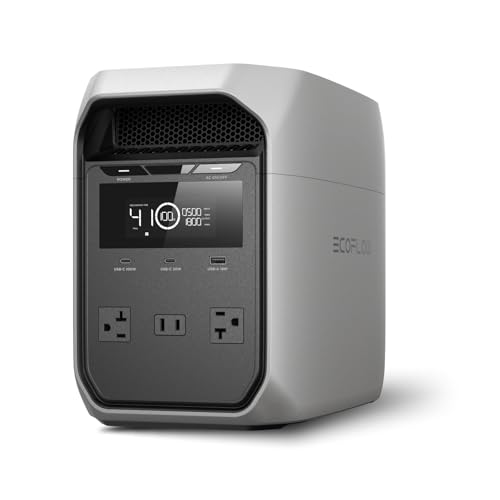 Best for motor loads and surgesEF ECOFLOW Portable Power Station Delta 3 Classic, 1024Wh 1800W ACView on Amazon
- 5
 Best for portable backupJackery Explorer 1000 v2 Portable Power Station, 1024Wh LiFePO4 BatteryView on Amazon
- 6
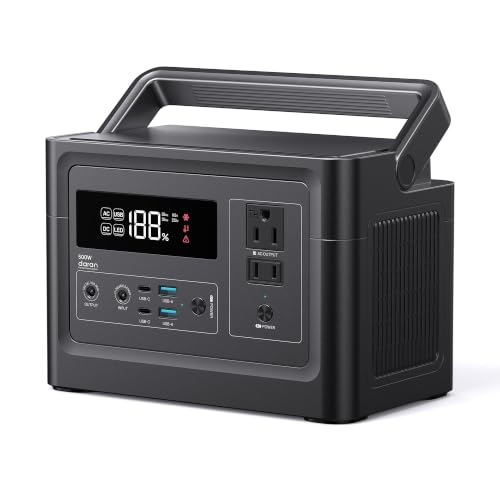 Best for CPAP and small loadsDaran 500W Mini Portable Power Station, 288Wh LiFePO4 BatteryView on Amazon
Our Top Picks
Quick Comparison
| Product | Best for | Key feature |
|---|---|---|
| Portable Power Station 1000W, 576Wh | Overall balance | Lightweight LiFePO4 build |
| Jackery Solar Generator 1000 v2 | Whole-house essentials | Bundled 200W solar panel |
| DJI Power 1000 V2 | Fast recharging | 0-80% in 37 minutes |
| EF ECOFLOW Delta 3 Classic | Motor loads and surges | 3600W surge output |
| Jackery Explorer 1000 v2 | Portable backup | 50-minute fast charge |
| Daran 500W Mini Power Station | CPAP and small loads | Compact 288Wh capacity |
Portable Power Station 1000W(2000W Peak), 576Wh LiFePO4 Solar Generator
Portable Power Station 1000W(2000W Peak), 576Wh LiFePO4 Solar Generator | 14.8lb, 9-Port Pure Sine Wave, 1.4H Solar Fast Charge, 11Yr Lifespan, Home Emergency Outage RV Camping , Solar Panel Excluded
Best for: Overall balance of capacity and portability
This unit suits households that want a light, easy-to-move backup for lights, phones, a small fridge and a CPAP during short outages.
Pros
- Lightweight at about 14.8 lbs
- Nine ports with pure sine wave output
Cons
- Usable capacity is closer to 576Wh than a full 1,000Wh
Jackery Solar Generator 1000 v2 and 200W Solar Panel, 1024Wh LiFePO4 Battery
Jackery Solar Generator 1000 v2 and 200W Solar Panel,1024Wh LiFePO4 Battery | 1500W (3000W Peak), 50-Min Fast Charge, 10ms UPS Solar Generator for Home Emergency, Camping & RV
Best for: Whole-house essentials with solar recharging included
Owners who want a ready-to-go kit with a panel included, aimed at running a refrigerator and network gear through multi-day outages.
Pros
- Panel included, so the kit works out of the box
- Rated 1500W continuous with 3000W peak
Cons
- Panel and battery add up to a heavier setup to carry
DJI Power 1000 V2 Portable Power Station, 1024Wh LFP Battery
DJI Power 1000 V2 Portable Power Station, 1024Wh LFP Battery | 2600W Stable Output, Compact Size, 0-80% Recharge in 37 Mins, Electric Generator for Home Use, Camping & RVs, Outdoors
Best for: Fast recharging between uses
A good fit for people who expect repeated short outages or want to top up quickly from a wall outlet or solar input.
Pros
- Manufacturer lists 0-80% recharge in about 37 minutes
- Compact body for a 1024Wh battery
Cons
- Fewer owner reports available than for the most established brands
EF ECOFLOW Portable Power Station Delta 3 Classic, 1024Wh 1800W AC
EF ECOFLOW Portable Power Station Delta 3 Classic, 1024Wh 1800W AC | 3600W Surge, 1 Hr Fast Charge, 100W USB-C Output, LiFePO4 Battery, 10ms UPS Solar Generator for Home Backup, Camping & RVs
Best for: Motor loads and surge-prone appliances
Useful for homes where a sump pump or small power tool may need a higher startup burst than steady running power.
Pros
- Listed 3600W surge capacity for motor startup
- Includes a 100W USB-C output
Cons
- Surge rating does not extend runtime on heavy loads
Jackery Explorer 1000 v2 Portable Power Station, 1024Wh LiFePO4 Battery
Jackery Explorer 1000 v2 Portable Power Station, 1024Wh LiFePO4 Battery | 1500W (3000W Peak), 50-Min Fast Charge, 10ms UPS Solar Generator for Home Emergency, Camping & RV.
Best for: Portable backup for camping and emergencies
A solid choice for households that want the same 1024Wh capacity as the kit version but plan to charge from their own panels.
Pros
- Same 1500W continuous rating as the kit model
- Fast 50-minute charge time listed
Cons
- No panel included, so solar charging costs extra
Daran 500W Mini Portable Power Station, 288Wh LiFePO4 Battery
Daran 500W Mini Portable Power Station,1.6H 0-80% Fast Charging,288Wh | 1000W Peak LiFePO4 Battery, 100W PD USB-C Solar Generator for CPAP, RV, Travel, Home Emergency Backup (Solar Panel Optional)
Best for: CPAP and small emergency loads
This is a smaller unit than the others, aimed at people whose core need is a CPAP, phone charging and lights rather than a full fridge.
Pros
- Compact and light for travel
- Listed 1.6-hour fast charge
Cons
- At 288Wh, runtime for larger loads is limited
Buying Guide
Battery Chemistry and Lifespan
Most of the models in this list use LiFePO4 (lithium iron phosphate) batteries, which are generally more stable and tolerate more charge cycles than older lithium-ion designs. Longer cycle life means the unit should remain useful for many years of backup duty, so check the rated lifespan before you buy.
Continuous Output Versus Surge Rating
Continuous output is the power the unit can supply steadily, while surge or peak rating covers short bursts when a motor or compressor starts up. Add up the wattage of the devices you plan to run at the same time, then make sure the continuous rating covers that total with some room to spare. Motor-driven appliances such as refrigerators and CPAP machines usually need the surge headroom.
Recharge Speed and Solar Compatibility
Fast AC recharging matters most during a grid outage when you need to top up quickly between uses. Solar input limits vary by model, so confirm the maximum solar wattage the unit accepts and whether a panel is included. A bigger panel only helps if the generator can take in that much power.
Transfer Speed and UPS Function
If you want the unit to power sensitive electronics without a noticeable gap, look for a short switchover time, often listed as around 10 milliseconds for UPS-style operation. This matters most for computers, modems and medical equipment that can reset during a brief interruption. Units with slower switchover are still fine for lights, fridges and general loads.
Portability and Expandability
Weight and footprint affect how easily you can move the unit between a garage, a campsite or an RV. Some models support additional battery packs, which can extend runtime well beyond the base capacity. Consider how likely you are to need more storage in the future before you commit.
FAQ
How long will a 1000 Wh solar generator run a refrigerator?
Runtime depends on the fridge’s average power draw, which is usually far lower than its peak startup load. Many refrigerators cycle on and off, so a 1000 Wh unit can often keep one running for many hours, though exact results vary by appliance and conditions. Checking the fridge’s energy label or running wattage will give you a better estimate.
Can a 1000 Wh solar generator power a CPAP machine overnight?
Many CPAP machines draw a modest amount of power, so a 1000 Wh unit can typically support one for a full night. Humidifier settings and heated tubing increase consumption, so check your machine’s rated wattage. Sizing the battery with a margin for error is a sensible choice for medical equipment.
Do I need a solar panel to use these generators?
No, you can recharge most of these units from a wall outlet or a vehicle, and solar is an optional extra for longer outages. A panel becomes more valuable when you expect multi-day blackouts or want to stay off-grid. Confirm whether a panel is bundled or sold separately before you buy.
Is a 1000 Wh unit enough to back up a whole house?
A 1000 Wh unit generally cannot run an entire home, since central air conditioning, electric ranges and water heaters draw far more power. It is better suited to critical loads such as lights, phone chargers, medical devices, a small refrigerator and internet equipment. Whole-home backup usually requires a much larger or permanently installed system.
How often should I recharge the battery during storage?
Keeping the battery at a moderate charge level during storage helps preserve its health over time. Many owners check the charge every few months and top it up when it drops low. Follow the manufacturer’s storage guidance, since recommended levels can differ between models.
Conclusion
For households that need dependable backup for a refrigerator, CPAP or internet gear, the larger 1024 Wh models with high continuous output and fast recharging are the strongest fit, especially if you want a solar option. Buyers who want the most output and UPS-style switchover should compare the higher-wattage units closely.
If you mainly need power for small devices, travel or a CPAP on the go, the smaller Daran unit is a more compact and affordable choice. Match the capacity and wattage to the devices you plan to run, and you will find the right option on this list.
Related reading
- Yeti Solar Power Generator: What It Runs and How to Size One
- Wind Generator vs Solar Panels: Which Fits Your Home Backup Needs?
- Why Is My Solar Generator Charging Slowly? Causes and Fixes
About Graham Fisher
Graham Fisher is part of our editorial team and reviews and edits our solar generators for home backup & emergencies guides, checking product details against manufacturer specifications and owner feedback.




