
 By Graham Fisher
Updated November 2026
A solar powered backup generator keeps the essentials running when the grid goes down, but only if it holds enough stored energy for your loads. This guide compares six portable solar generators with LiFePO4 batteries, judged on usable capacity, output for appliances like refrigerators and CPAP machines, solar input, and how well each suits whole-home or essentials-only backup. The picks are based on manufacturer specifications, listing details and common owner feedback patterns.
Our top picks at a glance
- 1
 TOP CHOICEBest overallJackery Solar Generator 1000 v2 and 200W Solar PanelView on Amazon
- 2
 TOP CHOICEBest for whole-home backupJackery HomePower 3600 Plus & 2x200W Solar PanelsView on Amazon
- 3
 TOP CHOICEBest for high surge loadsAnker SOLIX C1000 Gen 2 Solar Powered Generator with 200W Solar PanelView on Amazon
- 4
 Best for CPAP and small loadsJackery Explorer 300 Portable Power StationView on Amazon
- 5
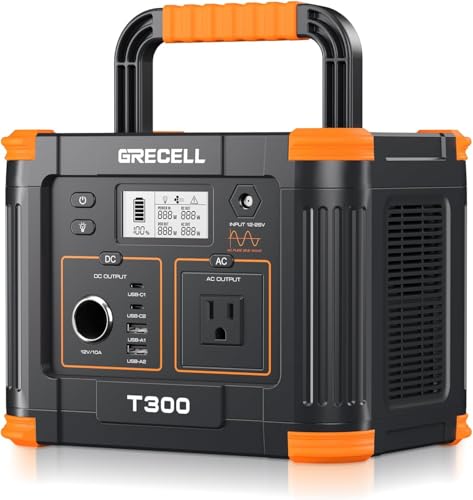 Best budget pickPortable Power Station 330W, GRECELL 230.88Wh Solar GeneratorView on Amazon
- 6
 Best for compact bundled setupBLAVOR 1600W Solar Generator with Built-In 40W PanelView on Amazon
Our Top Picks
| Product | Best for | Key feature |
|---|---|---|
| Jackery Solar Generator 1000 v2 | Balanced home backup | 1,024Wh LiFePO4, 1500W output |
| Jackery Explorer 300 | CPAP and small loads | 292Wh, lightweight design |
| Anker SOLIX C1000 Gen 2 | High surge loads | Up to 3,000W output |
| Jackery HomePower 3600 Plus | Whole-home backup | 3,584Wh, expandable capacity |
| GRECELL 330W Power Station | Budget essentials | 230.88Wh, USB-C PD |
| BLAVOR 1600W Solar Generator | Compact bundled setup | 1,024Wh with built-in panel |
Jackery Solar Generator 1000 v2 and 200W Solar Panel
Jackery Solar Generator 1000 v2 and 200W Solar Panel,1024Wh LiFePO4 Battery | 1500W (3000W Peak), 50-Min Fast Charge, 10ms UPS Solar Generator for Home Emergency, Camping & RV
Best for: Balanced home backup covering a refrigerator, lights and a CPAP machine.
Suited to households that want one unit for several essential circuits, with a 1,024Wh battery and a 1500W continuous rating (3000W peak) per the manufacturer.
Pros
- Manufacturer lists a 10ms UPS switchover for sensitive electronics.
- Included 200W panel gives a clear solar charging path.
Cons
- Runtime on heavy loads is short without extra panels or batteries.
Jackery Explorer 300 Portable Power Station
Jackery Explorer 300 Portable Power Station,292Wh | Backup LiFePO4 Battery, Solar Generator for Outdoors, Camping, Travel, Hunting, Blackout (Solar Panel Optional)
Best for: CPAP machines, phone charging and small lights during short outages.
A good fit for apartments or anyone whose backup needs are limited to a few low-wattage devices, with 292Wh of LiFePO4 storage.
Pros
- Light enough to move between rooms easily.
- Works with solar panels as an optional add-on.
Cons
- Capacity cannot carry a refrigerator through a multi-day outage.
Anker SOLIX C1000 Gen 2 Solar Powered Generator with 200W Solar Panel
Anker SOLIX C1000 Gen 2 Solar Powered Generator with 200W Solar Panel | 2,000W Portable Power Station with 1,024Wh LiFePO4 Battery, Up to 3,000W Output, for UPS, Home, Outdoor
Best for: Running motor-driven loads such as a sump pump or small power tools.
Suited to homeowners who need strong surge capacity, with manufacturer-specified output up to 3,000W.
Pros
- High output rating handles motor startup loads.
- Bundled 200W panel is listed for solar recharging.
Cons
- Stored energy is modest for a full home, so load management matters.
Jackery HomePower 3600 Plus & 2x200W Solar Panels
Jackery HomePower 3600 Plus & 2x200W Solar Panels, 3584Wh, 3600W AC Output | LFP Battery, Expandable to 21kWh, Solar Generator, Essential Home Backup for Home Use, Emergencies, RV
Best for: Whole-home essentials backup over longer outages.
Designed for households that want a larger reserve, with 3,584Wh of stored energy and a 3600W AC output rating per the listing.
Pros
- Expandable capacity suits growing backup needs.
- Two 200W panels support meaningful daily recharging.
Cons
- Heavier and pricier to set up than portable units.
Portable Power Station 330W, GRECELL 230.88Wh Solar Generator
Portable Power Station 330W, GRECELL 230.88Wh Solar Generator | Solar Generator with 60W USB-C PD Output, Pure Sine Wave Backup Lithium Battery for Outdoors Camping Travel Home Blackout
Best for: Budget-minded essentials like router, lights and phone charging.
A budget pick for light backup, with 230.88Wh capacity and a 330W output rating.
Pros
- Compact and easy to store.
- Pure sine wave output suits most electronics.
Cons
- Too little capacity for refrigerators over more than a few hours.
BLAVOR 1600W Solar Generator with Built-In 40W Panel
BLAVOR 1600W Solar Generator, 1024Wh Power Station with Built-In 40W Panel | LiFePO4 battery, 3200W peak output, 100W USB-C, portable generator for emergency home backup, camping, RVs and power outage
Best for: Compact emergency kits that include a panel out of the box.
Suited to renters or small households wanting an all-in-one package, with 1,024Wh LiFePO4 storage and 3200W peak output per the listing.
Pros
- Built-in panel means fewer components to buy.
- USB-C PD port for modern devices.
Cons
- A 40W panel recharges slowly, so sunny-day output limits recovery speed.
Buying Guide
Usable Battery Capacity
Watt-hours (Wh) tell you how much energy a unit can store, and that number decides how long your loads will run. Compare the listed capacity against what you need to keep powered, such as a refrigerator, lights, a router, and medical devices. Remember that some energy is lost in conversion, so the usable amount is always a bit lower than the printed figure.
Continuous and Surge Output
Check the continuous AC output rating first, because it must cover the combined wattage of everything you plan to run at once. Also look at the peak or surge rating, which matters for motors in refrigerators, well pumps, and window air conditioners that draw a brief burst of extra power on startup. A unit that handles your starting loads without tripping is far more useful than one with a bigger headline number but weak surge capacity.
Solar Input and Recharge Speed
A solar generator is only as sustainable as its charging setup. Look at the maximum solar input the unit accepts, whether a panel is included or optional, and whether it also supports wall or vehicle charging as a backup. Faster input shortens recharge time after a multi-day outage, and that flexibility is worth weighing if cloudy weather is common where you live.
Battery Chemistry and Lifespan
LiFePO4 (lithium iron phosphate) batteries are a common choice for home backup because they tolerate many charge cycles and handle heat relatively well. Longer cycle life means the unit can serve for years of occasional outages without rapid capacity loss. Expandability is another consideration if you may want more storage later.
Whole-Home Versus Essentials Backup
Decide early whether you want to power only a few critical circuits or keep a larger part of the house running. Smaller units suit lights, phones, and a fridge during short outages, while larger systems with higher output and expansion options can cover more of the home. Matching the size to your real daily needs prevents overspending and avoids running out of power in the middle of an outage.
FAQ
How long will a solar powered backup generator run during an outage?
Runtime depends on battery capacity and the total wattage of the devices you connect. A refrigerator and a few lights may run for many hours on a mid-size unit, while heavier loads drain the battery much faster. Dividing the usable watt-hours by your load in watts gives a reasonable estimate.
Can a solar generator power a refrigerator?
Most units in this range can run a standard refrigerator, but you should confirm that its running and starting wattage fall within the unit’s continuous and surge ratings. Refrigerators cycle on and off, so actual consumption is often lower than the nameplate figure. Keeping the fridge closed during an outage helps extend runtime.
How much solar panel do I need to recharge the unit?
The right panel size depends on your battery capacity, local sunlight, and how quickly you want to recharge. Panels rated higher will generally recharge faster, but actual output varies with weather, angle, and time of day. Many owners pair a unit with additional panels to speed up recharging after a long outage.
Is a solar generator safe to use indoors?
Battery-based solar generators produce no exhaust fumes, so they are much safer to run indoors than gas generators. Still, place the unit on a stable surface with airflow around it and keep it out of direct water exposure. Follow the manufacturer’s guidance on temperature and placement.
Can I use a solar generator for camping or RV trips too?
Yes, many of these units are designed for both home backup and outdoor use. Their portability, quiet operation, and USB or DC outputs make them convenient for camping, travel, and RVs. Check the port selection and weight before choosing one for mobile use.
Conclusion
For short outages and smaller essentials like lights, phones, and a few small appliances, a compact unit with a modest panel offers a simple, affordable starting point. Households that need to keep a refrigerator, medical equipment, or more circuits running for longer stretches should look at the higher-capacity, higher-output systems with expandable storage. Match the battery size and output to your actual daily loads, and the right choice for your home will become clear.
Related reading
- Top 6 Solar Powered Electricity Generator Picks for Home Backup (2026)
- Top 6 Gas and Solar Powered Generator Picks for Home Backup (2026)
- Top 5 Generator Powered by Solar Options for Home Backup Compared
- Solar Powered Generator Small: How to Size One for Home Backup (2026)
About Graham Fisher
Graham Fisher is part of our editorial team and reviews and edits our solar generators for home backup & emergencies guides, checking product details against manufacturer specifications and owner feedback.



