 By Graham Fisher
Updated November 2026
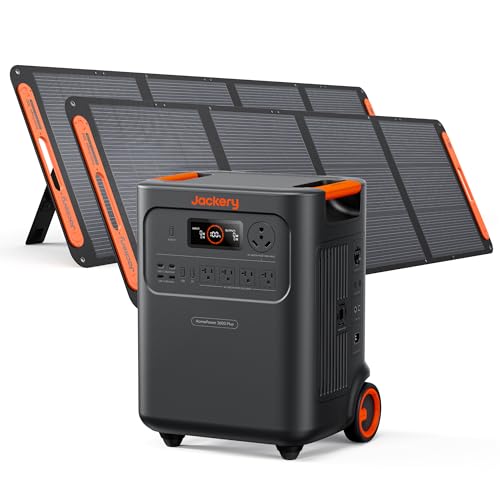
The jackery solarsaga 100 prime solar panel is a portable 100-watt panel designed to recharge a compatible Jackery power station from sunlight. It works best as a supplement for keeping small loads running during outages, not as a stand-alone fix for large household demand. Actual charging speed depends on sun angle, weather, shading and the power station’s input limits.
Why the Panel Alone Doesn’t Set Your Charge Rate
Many buyers assume a 100-watt panel always delivers 100 watts. In practice, panels rarely hit their rated output. The figure on the label is measured under standard test conditions, which means direct, perpendicular sunlight at a set temperature. Real-world output in morning or late-afternoon light, or on a cloudy day, can be far lower.
Shopping for one? See our guide: 4 Best Jackery 1500 V2 With Solar Panel Options for Home Backup (2026).
The power station also limits intake. Its charge controller accepts only so much input at a given voltage, so a panel that can produce more than the station will take gives you no extra benefit. Compatibility between the panel’s voltage and the station’s solar input range matters just as much as wattage.
Factors That Affect Daily Harvest
Several variables determine how many watt-hours you actually collect in a day:
- Sun hours: Multiply the panel’s rated watts by the peak sun hours for your location and season. A panel in a region with four peak sun hours may produce roughly 400 watt-hours in theory, before losses.
- Angle and orientation: Facing the panel toward the sun and tilting it toward the equator for your latitude usually improves intake noticeably.
- Shade and dirt: Even partial shading from a branch or a dust film can cut output significantly.
- Temperature: Panels generally lose efficiency as they heat up, so a cool, clear day often beats a hot one.
- Cable and connector losses: Long or undersized cables waste some energy. Keep runs short and use the cables the manufacturer specifies.
How to Get the Most From It
Treat the panel as a daily top-up tool and plan around the numbers you actually see. Check the power station’s app or display during the first sunny day to log real input watts, then estimate your typical daily recovery from that.
- Confirm the power station lists this panel as compatible before connecting.
- Place the panel in full sun, away from shadows, and angle it toward the sun.
- Use the cable set supplied or a manufacturer-approved extension, and keep the run as short as practical.
- Clean the glass surface periodically with a soft cloth and water.
- Track real input for a few days and compare it against your load plan for fridge, CPAP or sump pump use.
If you need to run a sump pump or medical equipment during a storm, rely on your battery reserve first and treat solar as a bonus. For medical devices, check with your equipment provider or physician about backup power requirements.
What We’d Use
A sturdy carrying case makes it easier to move the panel and protect it between uses: View on Amazon.
A spare or extension cable lets you position the panel farther from the station when shade is an issue: View on Amazon.
For a broader view of matching panels to stations, see Solar Panel Compatibility With Power Stations: Voltage, Connectors and MPPT Limits and Jackery SolarSaga 100 Air: Specs, Charging Output and Setup Tips. To estimate how much panel you need, Solar Panel Size Calculator for Portable Power Stations is a useful starting point.
FAQ
Can the jackery solarsaga 100 prime solar panel charge any Jackery station?
Not necessarily. Check the power station’s listed solar input range and connector type before connecting, since voltage and input limits vary by model.
How many watt-hours will it add per day?
It depends on sun hours, angle, shade and temperature. Log the actual input your station reports on a sunny day to get a realistic figure.
Can I run a CPAP from solar alone?
Solar can help recharge the station, but it’s safest to keep a battery reserve for overnight use. Consult your medical provider about backup power needs.
Related reading
- Jackery Solarsaga 500x Solar Panel: A Practical Guide (2026)
- Jackery SolarSaga 200 Solar Panel: Specs, Charging Output and Setup Tips
- Jackery Solar Panel Extension Cable: How to Choose and Connect One Safely (2026)
Ready to choose one?
About Graham Fisher
Graham Fisher is part of our editorial team and reviews and edits our solar generators for home backup & emergencies guides, checking product details against manufacturer specifications and owner feedback.