
 By Graham Fisher
Updated November 2026
Shoppers searching for a jackery solar generator 600 plus usually want one thing: a portable power station that can keep a refrigerator, router, lights and a medical device running when the grid goes down, and that can recharge from solar panels between outages. This guide compares five Jackery models that fit that home backup role. Each was selected by reviewing manufacturer specifications, the brand’s product line structure, and the patterns owners tend to report about capacity, output, charging speed and expandability. Where a spec is not clearly stated in the listing, we leave it out.
Our top picks at a glance
- 1
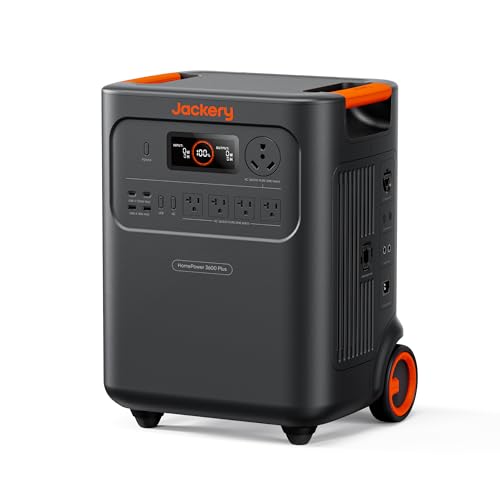 TOP CHOICEBest overallJackery HomePower 3600 Plus Power StationView on Amazon
- 2
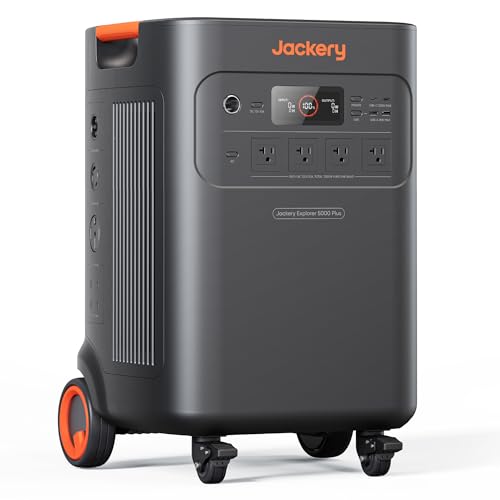 TOP CHOICEBest for whole-home coverageJackery Explorer 5000 Plus Power StationView on Amazon
- 3
 TOP CHOICEBest for expandable storageJackery HomePower 2000 Plus v2 Power StationView on Amazon
- 4
 Best budget pickJackery Solar Generator 1000 v2 and 200W Solar PanelView on Amazon
- 5
 Best for small loads and travelJackery Explorer 300 Portable Power StationView on Amazon
Note on the 600 Plus name: Jackery does not currently sell a model named exactly “600 Plus.” Searchers using this phrase are most often looking for a mid-size Jackery Plus-series power station, so the picks below focus on the closest current options at different capacities and price tiers. Use the sizing steps in the buying guide to match any model to your actual load.
Our Top Picks
How we selected these models
We weighted four criteria. First, usable capacity in watt-hours, since that determines how long a refrigerator or CPAP can run. Second, continuous AC output in watts, which determines whether the unit can start and run the appliances you plan to connect. Third, battery chemistry and expandability, since LiFePO4 (LFP) cells generally tolerate more charge cycles than many older lithium-ion designs, and expansion batteries let you grow capacity later. Fourth, the consistency of owner feedback on charging speed, fan noise and solar input behavior. DIY Portable Solar Generator: Build One Step by Step (Sizing, Wiring, Parts) goes further into this.
| Product | Best for | Key feature |
|---|---|---|
| Jackery HomePower 3600 Plus | Overall home backup | 3584Wh LFP battery, 3600W AC output |
| Jackery Explorer 5000 Plus | Whole-home and 240V loads | 5040Wh, 7200W AC, 120V/240V output |
| Jackery HomePower 2000 Plus v2 | Expandable backup | 2048Wh, expandable to 12kWh |
| Jackery Solar Generator 1000 v2 and 200W Solar Panel | Budget solar backup kit | 1024Wh battery with included 200W panel |
| Jackery Explorer 300 Portable Power Station | Small loads and travel | 292Wh, compact and light |
Jackery HomePower 3600 Plus Power Station
Jackery HomePower 3600 Plus Power Station, 3584Wh, 3600W AC Output | LFP Battery, Expandable to 21kWh, Solar Generator, Essential Home Backup for Home Use, Emergencies, RV (Solar Panel Optional)
Best for: Overall home backup for most households
This is the most balanced option for a typical home that needs refrigerator, lighting, internet, sump pump and phone charging coverage through a multi-day outage. Its capacity and output place it well above the minimum most homeowners need for essential circuits.
Key specs
- Capacity: 3584Wh
- AC output: 3600W
- Battery: LFP (LiFePO4)
- Expandable to 21kWh with add-on batteries
Pros
- Capacity is enough for a refrigerator plus several essential circuits for a day or more
- LFP chemistry is generally associated with longer cycle life
- Expansion path makes it a long-term investment
Cons
- Heavy enough that it is not a casual carry-along unit
- Full-home coverage with central air still requires a larger system
Bottom line: A strong first pick for a homeowner who wants one unit that covers essential loads without building a complex system.
View on AmazonJackery Explorer 5000 Plus Power Station
Jackery Explorer 5000 Plus Power Station, 5040Wh, 7200W AC Output | LiFePO4, 120V/240V Output, Expandable to 60kWh, Essential Home Backup for Power Outages (Solar Panel Optional)
Best for: Whole-home backup and 240V appliances
Households that want to run an electric range, a well pump, or larger air conditioning loads during an outage will look at this model. Its 240V output option is the main reason to consider it over smaller units.
Key specs
- Capacity: 5040Wh
- AC output: 7200W
- Output: 120V/240V
- Battery: LiFePO4, expandable to 60kWh
Pros
- 240V output supports larger household appliances
- High output rating for motor startup loads
- Large expansion ceiling for extended outages
Cons
- Considerably heavier and bulkier than mid-size units
- Costs more to fully equip than smaller alternatives
Bottom line: Best for households with 240V needs or whole-home aspirations. Smaller homes with modest loads can get by with less.
View on AmazonJackery HomePower 2000 Plus v2 Power Station
Jackery HomePower 2000 Plus v2 Power Station, 2048Wh, 2400W AC Output | LFP Battery, Expandable to 12kWh, Essential Home Backup for Outages, Emergencies & RV (Solar Panel Optional)
Best for: Expandable backup that starts modest
This unit suits a homeowner who wants a smaller initial investment and plans to add batteries as needs grow. It handles a refrigerator, lights, a router and a CPAP for a useful stretch of time.
Key specs
- Capacity: 2048Wh
- AC output: 2400W
- Battery: LFP
- Expandable to 12kWh
Pros
- Good balance of capacity and portability for its class
- Clear expansion path to much larger storage
- LFP battery chemistry
Cons
- Runtime on high-draw appliances like electric heaters is short
- Expansion batteries are an added cost over time
Bottom line: A sensible pick for someone planning to grow into a larger system gradually.
View on AmazonJackery Solar Generator 1000 v2 and 200W Solar Panel
Jackery Solar Generator 1000 v2 and 200W Solar Panel,1024Wh LiFePO4 Battery | 1500W (3000W Peak), 50-Min Fast Charge, 10ms UPS Solar Generator for Home Emergency, Camping & RV
Best for: Budget solar backup with a panel included
This bundle appeals to buyers who want a complete starter kit in one order and are focused on keeping essential loads powered rather than full-home coverage.
Key specs
- Capacity: 1024Wh
- AC output: 1500W (3000W peak)
- Battery: LiFePO4
- Included solar panel: 200W
Pros
- Panel included, so the kit is ready to charge from sunlight
- Fast charging rating for a unit this size
- Usable for CPAP, lights and small appliances
Cons
- Output is too limited for a full refrigerator plus other large loads for long periods
- A single 200W panel recharges slowly on cloudy days
Bottom line: The most accessible entry point for solar-charged emergency power, provided your load list is modest.
View on AmazonJackery Explorer 300 Portable Power Station
Jackery Explorer 300 Portable Power Station,292Wh | Backup LiFePO4 Battery, Solar Generator for Outdoors, Camping, Travel, Hunting, Blackout (Solar Panel Optional)
Best for: Small loads, travel and short outages
This is a light, compact unit for phones, laptops, a small fan, LED lights and a CPAP for a night. It is not a whole-house solution, but it is easy to store and move.
Key specs
- Capacity: 292Wh
- Battery: LiFePO4
- Solar panel: optional, sold separately
Pros
- Light and easy to carry between rooms or vehicles
- Good fit for device charging and a CPAP overnight
- Low entry point for a first portable power station
Cons
- Capacity is too small for refrigerators or sump pumps
- Solar panel is an extra purchase
Bottom line: Pick this only if your critical loads are small. Otherwise step up to a larger model.
View on AmazonBuying Guide
Calculate your daily watt-hour need
List each appliance, its wattage and hours of use per day. Multiply watts by hours to get watt-hours. A refrigerator running about 8 hours a day at 150 watts uses roughly 1,200Wh. Add a router, LED lights and phone charging, then add 20 percent for inverter losses. That total tells you the minimum battery size you need per day.
Good picks for this: Jackery HomePower 3600 Plus, Jackery HomePower 2000 Plus v2
Check continuous AC output, not just capacity
Capacity tells you how long the battery lasts. Continuous output tells you whether the unit can run the appliance at all. Motor loads such as well pumps and sump pumps have a startup surge several times their running wattage, so confirm the surge rating too.
Good picks for this: Jackery Explorer 5000 Plus, Jackery HomePower 3600 Plus
Battery chemistry and cycle life
LFP (LiFePO4) batteries are generally associated with more charge cycles and better thermal stability than many older lithium-ion chemistries. For a unit you may cycle often through solar charging and outages, this matters more than a small weight difference.
Good picks for this: Jackery HomePower 3600 Plus, Jackery Solar Generator 1000 v2 and 200W Solar Panel
Solar input and charging time
Check the maximum solar input wattage and whether the panel is included. A 200W panel in good sun may take many hours to fill a 1,000Wh battery, and clouds or shade slow it further. Plan for wall or generator charging as a backup to solar.
Good picks for this: Jackery Solar Generator 1000 v2 and 200W Solar Panel, Jackery Explorer 300 Portable Power Station
Expandability
If you expect to add loads later, choose a platform with expansion batteries. Confirm that the expansion modules are sold for that specific unit, since they are not interchangeable across all models.
Good picks for this: Jackery HomePower 2000 Plus v2, Jackery Explorer 5000 Plus
Size, weight and where it will live
A basement or garage unit can be heavy. A unit you need to move to a camper or a room with a CPAP may need to be lighter. Measure the space and check the listed weight before ordering.
Good picks for this: Jackery Explorer 300 Portable Power Station, Jackery Solar Generator 1000 v2 and 200W Solar Panel
Ventilation and noise
Power stations use fans under load. Keep them off the floor, clear of walls and out of closed cabinets. Never run one indoors in a closed space where fumes could build up, although these units themselves do not burn fuel.
Good picks for this: Jackery HomePower 3600 Plus, Jackery Explorer 300 Portable Power Station
FAQ
Is there a Jackery solar generator 600 Plus model?
As of this writing, Jackery does not sell a model with that exact name. Shoppers searching for it are usually looking for a mid-size Plus-series unit. The picks above cover that range.
How long will a Jackery run a refrigerator?
It depends on the refrigerator’s average draw and the battery’s usable capacity. Many modern refrigerators average well under 200 watts, but they cycle on and off, so real use varies. Calculate using your fridge’s energy label and your unit’s watt-hour rating.
Can a Jackery run a CPAP machine overnight?
Most CPAP machines draw a modest amount of power, so a mid-size unit can often run one through the night. Confirm the wattage of your specific device and talk with your sleep provider or medical supplier before relying on backup power for medical equipment.
Do I need the solar panel to use the power station?
No. The unit can be charged from a wall outlet or, in some cases, a vehicle or generator. The solar panel is for recharging when grid power is unavailable.
Can I expand the battery later?
Some models support expansion batteries. Check the manufacturer’s listing for compatible modules before buying the base unit.
Can a power station run a sump pump?
Often yes, but the startup surge matters. Check the pump’s locked-rotor or surge rating and make sure the unit’s continuous and surge output are sufficient. Consult an electrician if you plan to wire the unit into your home.
Conclusion
For most homeowners, the Jackery HomePower 3600 Plus offers the best balance of capacity, output and expansion. Households with 240V appliances or whole-home goals should look at the Explorer 5000 Plus. The HomePower 2000 Plus v2 suits buyers who want to grow gradually. The 1000 v2 bundle is the most accessible solar-ready kit for modest loads, and the Explorer 300 is best for small devices and travel. Calculate your watt-hour needs first, then choose the model that covers them with a margin.
Sources
- Guidance on home energy use, backup power planning and appliance energy consumption (energy.gov)
- Safety information on portable generators, batteries and home electrical hazards (cpsc.gov)
- Fire safety standards and guidance for lithium-ion battery equipment (nfpa.org)
Related reading
- Jackery Solar Generator 5000 Plus Review: Features and Performance
- Jackery HomePower 3600 Plus Solar Generator: 5 Best Picks Compared (2026)
- Jackery Explorer 2026 Plus Solar Generator: 5 Best Picks Compared (2026)
- 6 Best Jackery 2026 Plus Solar Generator Options Compared (2026)
- Jackery Solar Generator 2026 Plus Kit: Sizing Steps for Home Backup
- Jackery E1000 Plus Solar Generator: How to Size, Set Up and Run Your Home
- Jackery Solar Generator for House: 6 Best Picks Compared (2026)
- Jackery Solar Generator HomePower 3000: 5 Best Picks Compared (2026)
About Graham Fisher
Graham Fisher is part of our editorial team and reviews and edits our solar generators for home backup & emergencies guides, checking product details against manufacturer specifications and owner feedback.





