By Graham Fisher
Updated November 2026
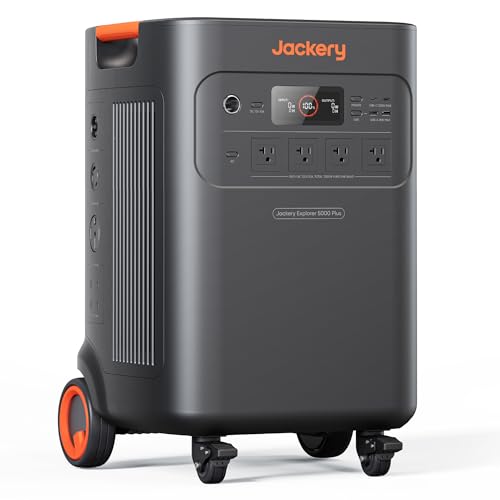
The Jackery HomePower 3000 is a large portable power station, and its weight is one of the first things buyers want to know before committing. Manufacturers list the unit at roughly 60 pounds, so plan on two people for carrying, positioning and any stairs. The exact figure can vary slightly by configuration and packaging, so confirm against the spec sheet on the official Jackery site before you plan a move.
Why the Jackery Homepower 3000 Weight Matters
A power station this size is built around a large battery pack, and the battery accounts for most of the mass. That makes the jackery homepower 3000 weight a practical concern rather than a footnote. A unit you can lift alone in a garage may be awkward to carry down a basement staircase or move from a garage to a patio during a storm. Knowing the weight ahead of time helps you decide where it will live permanently, whether it needs a dolly, and how many people you need to set it up.
Shopping for one? See our guide: Jackery HomePower 3600 Plus Solar Generator: 5 Best Picks Compared (2026).
Factors That Affect Weight and Handling
The listed weight is the starting point, but real-world handling depends on a few other things:
- Accessories and cables. Extension cables, transfer switch hardware or a solar input cable add small amounts of weight and bulk that you will carry along with the unit.
- Packaging. The shipping box and foam add to the weight you have to lift off a truck or doorstep, even though you will discard them later.
- Solar panels. Panels are a separate purchase and each one adds its own weight. A set of panels can be heavier in total than the power station, so factor them into your planning.
- Floor loading and placement. Once set up, the unit sits in one spot. Check that the floor or shelf can hold it, especially on upper floors or wood-frame platforms.
How to Handle and Position the Unit Safely
Because the unit is heavy, lifting technique matters more than strength alone. Follow these steps to reduce strain and avoid dropping it:
- Clear the path first, including doorways, steps and any tight corners.
- Use a hand truck or furniture dolly for distances longer than a few feet or any stairs.
- Lift with your legs, keep your back straight and keep the load close to your body.
- Have a second person spot you on stairs and at the end of each lift.
- Place the unit on a level, dry, ventilated surface. Keep it away from water sources and leave clearance around the vents as the manual describes.
- Do not stack other heavy items on top of it.
If you have a back condition, or if the move involves a second floor, a ramp, or heavy lifting over a long distance, consider asking a moving service or a licensed professional to help. Physical strain injuries are common with heavy equipment, so it is worth getting help rather than risking an injury.
Tips for Planning Around the Weight
- Decide on the final location before the unit arrives, so you move it only once.
- Keep the original box if you may need to relocate or ship the unit later.
- Store the unit on the lowest practical level in your home, especially if you plan to move it often.
- Recheck the official weight specification for the exact model and bundle you purchase.
What we’d use
For moving the unit, a sturdy hand truck with a strap is the most useful accessory, since it lets one person control the load on stairs and uneven ground. Search for an appliance hand truck with strap to find options.
For keeping the station in place once set up, a rubber mat or a low, flat platform keeps it stable and off a cold concrete floor. View on Amazon works well for this purpose.
Related questions
Can one person lift the Jackery HomePower 3000?
Possibly for a short lift on a flat surface, but two people are strongly recommended. A dolly makes solo moves far safer.
Does the weight change when the battery is charged?
The battery is part of the listed weight, so the unit does not get meaningfully heavier as it charges. The mass stays essentially the same.
Is the Jackery HomePower 3000 the heaviest model in its line?
Compare the spec sheets across models before deciding. Our guide to Jackery Homepower 3000 Portable Power Station: A Practical Guide (2026) covers the main differences in size and capacity.
Should I worry about weight when choosing solar panels?
Yes. Panels add significant mass and need mounting space. Review Solar Panels Compatible With Jackery 1000 V2: Which Ones Work (2026) to understand how compatibility and weight interact across the product range.
How do I choose between models based on weight and capacity?
Start with the energy you need, then compare the weight it implies. Our overview of How to Choose a Portable Solar Generator: Weight vs Capacity walks through that tradeoff in detail.
Note: For electrical installation or any connection to home wiring, consult a licensed electrician. For heavy lifting concerns, consult a qualified professional.
Ready to choose one?
About Graham Fisher
Graham Fisher is part of our editorial team and reviews and edits our solar generators for home backup & emergencies guides, checking product details against manufacturer specifications and owner feedback.