By Graham Fisher
Updated November 2026
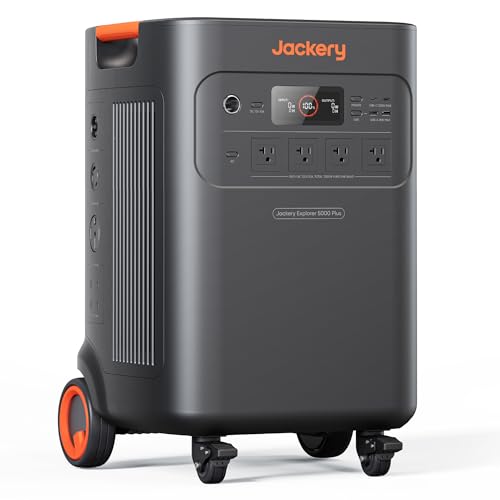
A jackery 12v car charger lets you recharge a Jackery portable power station from your vehicle’s 12-volt socket, so you can keep lights, phones, and medical devices running when the grid is down. This guide explains how the charging setup works, what to check before you plug in, and how to avoid the mistakes that slow charging or drain your car battery.
How a 12V Car Charging Setup Works
Most Jackery power stations accept input from a 12-volt DC source through a dedicated cable that connects to the power station’s DC input port and to your vehicle’s cigarette lighter or accessory socket. Because a car outlet supplies far less power than a wall outlet, charging from a vehicle is slower. Manufacturers typically specify input limits in the product manual, and the actual charging speed depends on the power station model, the cable, and the output of the vehicle’s socket. Expect a full recharge to take many hours rather than a few.
The engine should normally be running while you charge. Accessory sockets are often powered only when the ignition is on, and running the engine keeps the starting battery from discharging. Check your owner’s manual for how your specific vehicle handles accessory power.
What You Need Before You Start
- A Jackery power station with a DC car input port, and its manual
- A cable rated for the power station’s 12V input, with the correct connector at each end
- A working 12V socket in your vehicle, and the ignition or accessory switch set to on
- A way to monitor the power station’s battery level, such as its built-in display
- A plan for ventilation, since the power station should sit on a stable, dry surface with airflow around it
Step-by-Step: Charging Your Power Station From a Car
- Park safely and turn off nonessential loads. Stop the car, set the parking brake, and switch off climate control and other large accessories so the socket can supply power to the charger.
- Start the engine. Keeping it running reduces the risk of draining the starting battery.
- Power off the Jackery unit or leave it in its standby state, as the manual directs. Confirm the DC input port is clear and undamaged.
- Connect the cable to the power station first. Seat the connector fully in the DC input port.
- Connect the other end to the vehicle socket. Push it in until it seats, then confirm the power station’s display shows incoming power.
- Monitor the charge. Check the battery percentage periodically and watch for any warnings about temperature or input voltage.
- Disconnect in reverse order. Unplug from the vehicle socket first, then from the power station, and store the cable dry.
Checking Charge Progress
Read the display at intervals rather than assuming the charge is steady. Input can fluctuate when the engine speed changes or when other devices draw from the same circuit. If charging stops unexpectedly, check the socket fuse in your vehicle and confirm the cable is fully seated at both ends.
Choosing the Right Cable
Not every 12V cable fits every Jackery model, and the output rating matters. Match the cable to your power station’s listed DC input specification, and do not use a cable with a higher or uncertain rating without confirming compatibility. For a guide to the cable options, see Jackery Car Charger Cable: How to Charge Your Power Station From a Car (2026) and 5 Best Jackery 12V Automobile Battery Charging Cables for Car Charging (2026).
Charging Speed and Limits
Expect the car socket to be the slowest of your recharge options. A wall charger or solar input will usually finish faster. Vehicle charging is best used as a supplement, for topping up during a drive or as a backup when other sources are unavailable. A dedicated DC-DC alternator charger is a different product that draws from the vehicle’s alternator rather than the accessory socket, and it changes the charging rate considerably. For options in that category, see 5 Best Jackery DC-DC Alternator Charger Options for Road Trips (2026).
Common Mistakes
- Charging with the engine off, which can drain the starting battery.
- Using a cable that is not rated for the power station’s input.
- Forcing a connector into a socket that does not fit, which can damage the port.
- Leaving the power station in a hot car or in direct sun during charging.
- Running several high-draw accessories at once, which can trip the vehicle socket fuse.
- Ignoring the manufacturer’s maximum input rating and assuming a higher-output cable is safer.
Recommended gear
A replacement cable matched to your model is the most useful accessory. Search for a cable listed as compatible with your exact Jackery model and check the DC input specification before buying.
- A DC car charging cable matched to your Jackery model, which keeps the connection secure and rated correctly. View on Amazon
- A spare 12V socket fuse of the value listed in your vehicle manual, for quick recovery if the socket cuts out. View on Amazon
FAQ
Can I charge a Jackery power station from a regular car outlet?
Yes, if the power station has a DC car input and you use a cable rated for it. The socket delivers much less power than a wall outlet, so charging takes considerably longer.
Should the engine be running while charging?
Generally yes. Running the engine helps keep the starting battery charged and ensures the accessory socket has power.
Will a car charger drain my car battery?
It can, especially with the engine off or when many accessories are running. Keep the engine on and avoid long charging sessions with the engine stopped.
How do I know the charge is working?
Check the power station’s display for incoming power and a rising battery percentage. If nothing changes, confirm the connections and the vehicle socket fuse.
Is it safe to leave the power station in the car?
Avoid leaving it in a hot vehicle or in direct sun. Store it somewhere cool and dry, and follow the temperature limits in the manual. For general charging tips, consult the manufacturer’s documentation or a qualified automotive professional if you have questions about your vehicle’s electrical system.
Conclusion
A jackery 12v car charger setup can keep your power station topped up on the road or during an outage, as long as you match the cable to the unit and keep the engine running. Charging will be slow, so treat it as a supplement to wall or solar charging. Follow the manual’s limits and check connections regularly for safe, reliable results.
Ready to choose one?
Related reading
- Jackery Portable Battery Charger: How to Choose and Use One (2026)
- Jackery Car Charging Cable: How to Charge Your Power Station From a Car
About Graham Fisher
Graham Fisher is part of our editorial team and reviews and edits our solar generators for home backup & emergencies guides, checking product details against manufacturer specifications and owner feedback.