
 By Lauren Holland
Updated November 2026
Choosing the best home battery backup power comes down to one question: what do you need to keep running when the grid goes down, and for how long? A battery backup that covers a phone and a few lights is a very different purchase from one that keeps a refrigerator, a CPAP machine, and a sump pump alive overnight. This guide compares three options across the criteria that matter most for outages: usable capacity in watt-hours, continuous and surge output, the number and type of outlets, recharge options, and how the unit handles long-term use. We researched manufacturer specifications, brand reputation, and the patterns that owners commonly report in their reviews. We did not test these products ourselves.
Our top picks at a glance
- 1
 TOP CHOICEBest overallCyberPower CP1500AVRLCD3 Intelligent LCD UPS Battery BackupView on Amazon
- 2
 Best for portable outage backupJackery Explorer 300 Portable Power StationView on Amazon
- 3
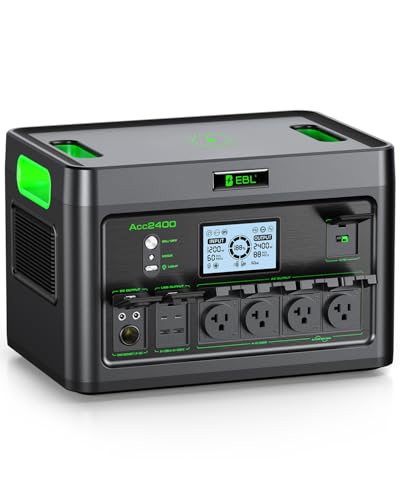 Best for whole-essentials backupEBL 2400W Portable Power Station LiFePO4 Battery for Home UseView on Amazon
Our Top Picks
| Product | Best for | Key feature |
|---|---|---|
| CyberPower CP1500AVRLCD3 Intelligent LCD UPS Battery Backup | Desktop computers, modems, and short outages | Automatic voltage regulation and LCD status display |
| Jackery Explorer 300 Portable Power Station | Small household loads and portable use | 292Wh LiFePO4 battery, solar input option |
| EBL 2400W Portable Power Station | Multi-appliance home backup with higher capacity | 1843.2Wh LiFePO4 battery and 2400W AC output |
CyberPower CP1500AVRLCD3 Intelligent LCD UPS Battery Backup
CyberPower CP1500AVRLCD3 Intelligent LCD UPS Battery Backup | 1500VA/900W, 12 Outlets, 2 USB Ports, AVR, Mini Tower, UL Certified
Best for: Protecting a desktop, router, and monitor during short outages
This is a line-interactive uninterruptible power supply rather than a true energy-storage station. It is aimed at people who want clean power and a few minutes to save work or shut down safely, not at people who need to run a refrigerator for hours. Home offices and gaming setups are the typical buyers.
Key specs
- 1500VA / 900W rating (per the listing name)
- 12 outlets, plus 2 USB ports
- Automatic voltage regulation (AVR)
- Mini tower form factor
- UL certified (per the listing name)
Pros
- Automatic voltage regulation smooths brownouts without switching to battery
- LCD panel shows load and battery status at a glance
- Compact enough to sit under a desk
Cons
- Runtime is measured in minutes at typical loads, not hours
- Not suited to running a refrigerator or medical device for extended periods
Bottom line: The right choice if your goal is protecting electronics and getting through brief interruptions. It is not a substitute for a whole-home or appliance-level backup solution.
View on AmazonJackery Explorer 300 Portable Power Station
Jackery Explorer 300 Portable Power Station,292Wh | Backup LiFePO4 Battery, Solar Generator for Outdoors, Camping, Travel, Hunting, Blackout (Solar Panel Optional)
Best for: Keeping small essentials running during a short outage, plus portable use
A lithium iron phosphate (LiFePO4) portable power station suits households that want to power a few phones, a Wi-Fi router, LED lights, and perhaps a small fan or CPAP machine for a night. It also works away from home, which is why many owners buy it for camping alongside emergency use.
Key specs
- 292Wh LiFePO4 battery (per the listing name)
- Solar panel input is optional (per the listing name)
- Standard AC outlets and USB ports for small devices
Pros
- Lightweight and easy to move between rooms or vehicles
- LiFePO4 chemistry is generally associated with a longer cycle life than older lithium-ion designs
- Solar expansion is available for longer off-grid use
Cons
- At 292Wh, a refrigerator will run for only a few hours at most
- Limited output makes it a poor fit for high-draw appliances like sump pumps
Bottom line: A sensible pick for people whose outage needs are modest and who want one unit for home and travel.
View on AmazonEBL 2400W Portable Power Station LiFePO4 Battery for Home Use
EBL 2400W Portable Power Station LiFePO4 Battery for Home Use | 1843.2Wh Solar Generator,Home Battery Backup,12 Outlets(2400W AC Outlets), USB-C PD 100W,2Hrs Quick Charge
Best for: Multi-appliance home backup with substantial capacity
This larger station is aimed at households that need to run several things at once: a refrigerator, lights, a CPAP, and possibly a sump pump. Its higher capacity and output give more room for these loads than the smaller units above.
Key specs
- 1843.2Wh LiFePO4 battery (per the listing name)
- 2400W AC output (per the listing name)
- 12 outlets (per the listing name)
- USB-C PD 100W port (per the listing name)
Pros
- Capacity is enough for several hours of refrigerator and CPAP use
- High continuous output supports motor-driven appliances with a surge
- Many outlets reduce the need for extension cords
Cons
- Heavier and bulkier than smaller stations, so it stays in one place
- Recharge time from a standard wall outlet is long compared with the smaller units
Bottom line: The best fit among these three for households that want to keep the refrigerator and medical devices running through a multi-day outage.
View on AmazonBuying Guide
Usable Capacity in Watt-Hours
Capacity (Wh) is the most important number. To estimate runtime, divide usable watt-hours by the average wattage of the device, then account for conversion losses (inverter efficiency is typically around 85 to 90 percent). A refrigerator that averages 150 watts on a 1800Wh unit lasts roughly 10 hours after losses, though compressor cycling changes the real figure. Verify the appliance’s wattage on its label or in the manual rather than relying on guesses.
Good picks for this: EBL 2400W Portable Power Station, Jackery Explorer 300 Portable Power Station
Continuous and Surge Output
Watts measure how much power you can draw continuously, while starting motors (refrigerators, well pumps, sump pumps) can briefly demand two to three times their running wattage. Make sure the unit’s surge rating exceeds that startup spike, not just the running load.
Good picks for this: EBL 2400W Portable Power Station, CyberPower CP1500AVRLCD3 Intelligent LCD UPS Battery Backup
Battery Chemistry and Lifespan
LiFePO4 batteries are generally associated with more charge cycles than standard lithium-ion, which matters if you plan to use the unit often or keep it charged for years. Check the manufacturer’s stated cycle rating and warranty, and treat any specific figure as a claim to verify on the product page.
Good picks for this: Jackery Explorer 300 Portable Power Station, EBL 2400W Portable Power Station
Outlet Types and Connectivity
Count the outlets you need and the plug types your devices use. Consider USB-A and USB-C ports for phones and laptops, and confirm that a three-prong grounded outlet is present for appliances that require it. A unit with many outlets reduces daisy-chaining, which can overload extension cords.
Good picks for this: EBL 2400W Portable Power Station, CyberPower CP1500AVRLCD3 Intelligent LCD UPS Battery Backup
Recharge Options
Consider how you will recharge: a standard wall outlet, a car outlet, or solar panels. Wall charging is often the fastest in an outage that is short. Solar recharging depends on sunlight and panel size, so plan for slower replenishment on cloudy days. Larger capacities take longer to fill.
Good picks for this: Jackery Explorer 300 Portable Power Station, EBL 2400W Portable Power Station
Size, Weight, and Placement
A unit you cannot easily move may still be perfect for a basement or garage that houses a sump pump. A portable unit is better if you need to relocate it or use it outdoors. Measure the intended spot and check the weight rating of any shelf or floor area before buying.
Good picks for this: Jackery Explorer 300 Portable Power Station, CyberPower CP1500AVRLCD3 Intelligent LCD UPS Battery Backup
Safety Features and Certifications
Look for built-in protection against overcharging, overheating, short circuits, and overloading. Certifications such as UL listing indicate independent safety testing. Never run a battery station in an enclosed space without ventilation, and do not use it as a substitute for a properly installed generator interlock or transfer switch.
Good picks for this: CyberPower CP1500AVRLCD3 Intelligent LCD UPS Battery Backup, EBL 2400W Portable Power Station
FAQ
How long will a home battery backup run a refrigerator?
It depends on the refrigerator’s average consumption, which is often far lower than its peak draw because the compressor cycles on and off. Check the appliance’s energy label, estimate average watts, and divide the usable watt-hours of the unit by that figure, then subtract about 15 percent for conversion losses.
Can a portable power station run a CPAP machine overnight?
Many CPAP machines draw a modest amount of power, so a mid-sized station may run one for a night. Confirm the device’s wattage and talk with your sleep physician or equipment supplier about backup plans, since therapy interruptions carry health risks.
Is a UPS the same as a power station?
No. A UPS is designed to switch in within milliseconds to protect electronics and allow a graceful shutdown, with short runtimes. A portable power station stores more energy for longer runtimes but may not switch instantly. Match the device to the job.
Can a sump pump run on a battery backup?
Yes, but only if the unit’s continuous and surge output covers the pump’s startup demand and its runtime covers your expected outage. Confirm the pump’s amperage and voltage, and consider a dedicated battery backup pump system if flooding is a recurring risk.
How long does it take to recharge a battery backup?
Recharge time depends on capacity, charger rating, and input source. Larger units take longer from a wall outlet and considerably longer from solar. Check the manufacturer’s stated recharge figures and plan accordingly.
Should I keep a battery backup plugged in all the time?
Many manufacturers recommend keeping lithium batteries partially charged rather than fully depleted, and some suggest periodic top-ups. Follow the owner’s manual for storage guidance and temperature ranges.
Conclusion
For most households, the best home battery backup power depends on the loads you must keep running. The CyberPower CP1500AVRLCD3 Intelligent LCD UPS Battery Backup suits electronics and brief interruptions. The Jackery Explorer 300 Portable Power Station fits modest essentials and portable use. The EBL 2400W Portable Power Station offers the most room for refrigerators, medical devices, and motor loads. Calculate your wattage and runtime needs first, then choose the unit that covers them with margin.
Sources
- Guidance on home energy use, backup planning, and electricity consumption (energy.gov)
- Emergency preparedness steps for power outages at home (ready.gov)
- Product safety information and recall notices for portable power equipment (cpsc.gov)
Related reading
- Home Battery Power Backup: 5 Best Picks for Outages in 2026
- 5 Best Battery Backups for Home Power Outage Picks for 2026
- Top 5 EcoFlow Power Stations with Solar Panel Options for Home Backup (2026)
About Lauren Holland
Lauren Holland is part of our editorial team and reviews and edits our solar generators for home backup & emergencies guides, checking product details against manufacturer specifications and owner feedback.






