
 By Lauren Holland
Updated November 2026
If you are looking for home battery power backup, the main question is how many watt-hours you need to keep the essentials running when the grid goes down. A refrigerator, a CPAP machine, a sump pump and a few lights can draw very different amounts of energy, and the right unit depends on how long you want to stay powered and how much you can recharge between outages. The picks below were chosen by checking manufacturer specifications, brand reputation for battery life and safety, and the usage patterns owners commonly describe. We have not tested these units ourselves, so treat the specs as manufacturer-stated figures and verify them against your own loads.
Our top picks at a glance
- 1
 TOP CHOICEBest overallJackery HomePower 3600 Plus Power Station, 3584Wh, 3600W AC OutputView on Amazon
- 2
 TOP CHOICEBest for small kitchens and bedroomsJackery Explorer 300 Portable Power Station,292WhView on Amazon
- 3
 TOP CHOICEBest for home office and RV-style useEF ECOFLOW Delta 3 Portable Power Station, 1024Wh 1800WView on Amazon
- 4
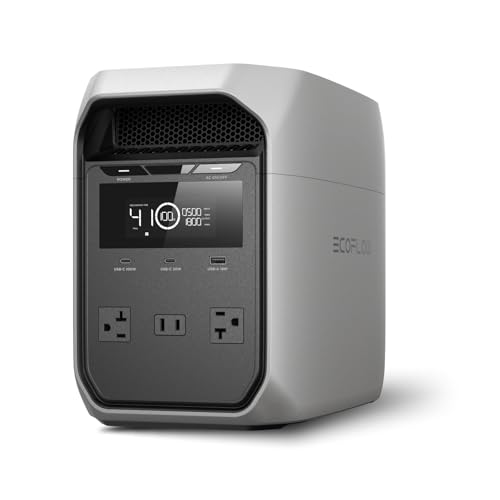 Best budget pickEF ECOFLOW Portable Power Station Delta 3 Classic, 1024Wh 1800W ACView on Amazon
- 5
 Best for electronics-only protectionCyberPower CP1500AVRLCD3 Intelligent LCD UPS Battery Backup, 1500VA/900WView on Amazon
Our Top Picks
Quick Comparison
| Product | Best for | Key feature |
|---|---|---|
| Jackery HomePower 3600 Plus Power Station | Whole-essentials backup, larger households | 3584Wh LFP battery, 3600W AC output, expandable |
| Jackery Explorer 300 Portable Power Station | Small kitchens and bedrooms | 292Wh LiFePO4 battery, compact portable build |
| EF ECOFLOW Delta 3 Portable Power Station | Home office and RV-style use | 1024Wh LiFePO4 battery, 1800W AC output |
| EF ECOFLOW Portable Power Station Delta 3 Classic | Budget-conscious buyers | 1024Wh LiFePO4 battery, 10ms UPS switching |
| CyberPower CP1500AVRLCD3 Intelligent LCD UPS Battery Backup | Computers, routers and modems | 1500VA/900W, AVR, 12 outlets |
Jackery HomePower 3600 Plus Power Station, 3584Wh, 3600W AC Output
Jackery HomePower 3600 Plus Power Station, 3584Wh, 3600W AC Output | LFP Battery, Expandable to 21kWh, Solar Generator, Essential Home Backup for Home Use, Emergencies, RV (Solar Panel Optional)
Best for: Whole-essentials backup, larger households
This is the most capacity-focused option in the group and suits homes that want to run a refrigerator, a CPAP, lighting and some heating or cooling loads through a multi-day outage. Its listing describes an expandable design, which matters if your outage needs grow.
Key specs
- Capacity: 3584Wh (per listing)
- AC output: 3600W (per listing)
- Battery chemistry: LFP (per listing)
- Expandable up to 21kWh (per listing)
Pros
- Large watt-hour reserve for multi-appliance outages
- LFP chemistry is generally associated with long cycle life
- Expansion path for future capacity needs
Cons
- Heavier and bulkier than portable-only units
- Full capacity recharge takes a long time without solar input
Bottom line: Choose this if you want the most runtime for a whole-home essentials circuit and plan to recharge with solar or a generator.
View on AmazonJackery Explorer 300 Portable Power Station,292Wh
Jackery Explorer 300 Portable Power Station,292Wh | Backup LiFePO4 Battery, Solar Generator for Outdoors, Camping, Travel, Hunting, Blackout (Solar Panel Optional)
Best for: Small kitchens and bedrooms
A compact unit that fits a few critical loads: a CPAP, phone and laptop charging, LED lights and a small fan. It works well for a bedroom or apartment where a full-house system would be excessive.
Key specs
- Capacity: 292Wh (per listing)
- Battery chemistry: LiFePO4 (per listing)
- Solar panel optional (per listing)
Pros
- Lightweight and easy to move between rooms
- Enough energy for a CPAP through a typical night
- Simple setup with no installation required
Cons
- Too small for refrigerators or sump pumps over long outages
- Limited output for high-draw appliances
Bottom line: A sensible pick for overnight medical devices and electronics, not for running a full kitchen.
View on AmazonEF ECOFLOW Delta 3 Portable Power Station, 1024Wh 1800W
EF ECOFLOW Delta 3 Portable Power Station, 1024Wh 1800W | LiFePO4 Battery, Full Charge in 56 Min, 1800W AC/100W USB-C Output, Solar Generator for Home Backup Power, Camping & RVs
Best for: Home office and RV-style use
A mid-size unit that covers a home office, a router, a modem, a small refrigerator for a few hours and charging devices. Owners often mention fast recharge as a strong point.
Key specs
- Capacity: 1024Wh (per listing)
- AC output: 1800W (per listing)
- Battery chemistry: LiFePO4 (per listing)
- Fast charge: full charge in 56 minutes (per listing)
Pros
- Fast recharge shortens the gap between outages
- Balanced capacity and portability
- Useful USB-C output for modern devices
Cons
- Runtime for a full refrigerator is limited to several hours
- Not designed to run high-surge tools for long
Bottom line: A good middle ground for people who need reliable power for a workspace and a few appliances.
View on AmazonEF ECOFLOW Portable Power Station Delta 3 Classic, 1024Wh 1800W AC
EF ECOFLOW Portable Power Station Delta 3 Classic, 1024Wh 1800W AC | 3600W Surge, 1 Hr Fast Charge, 100W USB-C Output, LiFePO4 Battery, 10ms UPS Solar Generator for Home Backup, Camping & RVs
Best for: Best budget pick
The Classic version of the Delta 3 keeps the same core capacity and output with a UPS-style switchover, which matters if you run sensitive electronics. It is a practical choice for buyers who want the capacity without premium features.
Key specs
- Capacity: 1024Wh (per listing)
- AC output: 1800W, 3600W surge (per listing)
- UPS switching: 10ms (per listing)
- Fast charge: 1 hour (per listing)
Pros
- Fast switchover protects sensitive equipment
- Same 1024Wh capacity as the standard Delta 3
- Good surge rating for motor-driven loads
Cons
- Fewer extras than newer premium models
- Still needs careful load planning for long outages
Bottom line: Best for buyers who want UPS-style protection and solid capacity on a tighter budget.
View on AmazonCyberPower CP1500AVRLCD3 Intelligent LCD UPS Battery Backup, 1500VA/900W
CyberPower CP1500AVRLCD3 Intelligent LCD UPS Battery Backup | 1500VA/900W, 12 Outlets, 2 USB Ports, AVR, Mini Tower, UL Certified
Best for: Electronics-only protection
A UPS rather than a power station, this unit is built to keep computers, networking gear and a monitor running through short outages and brownouts. It is not meant to run a refrigerator or sump pump for hours.
Key specs
- Rating: 1500VA/900W (per listing)
- Outlets: 12 (per listing)
- USB ports: 2 (per listing)
- Automatic voltage regulation (AVR), UL certified (per listing)
Pros
- Protects against surges and brownouts as well as outages
- Many outlets for a home office setup
- LCD display shows status at a glance
Cons
- Runtime is short for anything beyond electronics
- Not a solution for refrigerators, CPAPs or pumps over long outages
Bottom line: Pick this for electronics protection, and pair it with a larger power station if you need appliance backup.
View on AmazonBuying Guide
Capacity in watt-hours
Add up the wattage of each device you need, multiply by hours of use, and sum the results. Divide by about 0.85 to account for conversion losses. A refrigerator averaging around 100 to 150 watts running 24 hours can consume roughly 1 to 3.6kWh per day depending on the model and compressor cycling. Check your appliance nameplate and any energy guide label.
Good picks for this: Jackery HomePower 3600 Plus Power Station, EF ECOFLOW Delta 3 Portable Power Station
Continuous and surge output
Refrigerators, well pumps and sump pumps have motor starting surges that can be several times their running wattage. Confirm the unit’s surge rating against the locked-rotor amps on your pump label.
Good picks for this: EF ECOFLOW Portable Power Station Delta 3 Classic, Jackery HomePower 3600 Plus Power Station
Battery chemistry
LiFePO4 and LFP batteries are widely associated with long cycle life and stable thermal behavior compared with some other lithium chemistries. Check the manufacturer’s stated cycle rating if longevity matters to you.
Good picks for this: Jackery Explorer 300 Portable Power Station, EF ECOFLOW Delta 3 Portable Power Station
Recharge options
Look at AC wall charging speed, and whether the unit accepts solar input. Fast charge helps you recover between storms, while solar extends runtime for multi-day outages. Confirm the maximum input wattage listed by the manufacturer.
Good picks for this: EF ECOFLOW Delta 3 Portable Power Station, Jackery HomePower 3600 Plus Power Station
Portability and size
Measure where the unit will sit. Larger expandable systems are heavier and may need a dedicated spot, while compact units can be moved between rooms or carried to a car during an evacuation.
Good picks for this: Jackery Explorer 300 Portable Power Station, CyberPower CP1500AVRLCD3 Intelligent LCD UPS Battery Backup
Protection and switchover
If you run computers or networking gear, check switchover time. Some units advertise UPS-style switching in milliseconds, which can prevent reboots. This matters less for a refrigerator, which tolerates brief interruptions.
Good picks for this: EF ECOFLOW Portable Power Station Delta 3 Classic, CyberPower CP1500AVRLCD3 Intelligent LCD UPS Battery Backup
Safe operation and care
Never run a portable power station indoors near flammable materials, keep it dry and ventilated, and do not connect it to your home wiring unless a licensed electrician installs an appropriate transfer switch. Store the battery at moderate temperatures and recharge it periodically during long storage.
Good picks for this: Jackery HomePower 3600 Plus Power Station, EF ECOFLOW Delta 3 Portable Power Station
FAQ
How long will a home battery power backup run a refrigerator?
It depends on the refrigerator’s average daily consumption and the battery’s usable capacity. A rough estimate is watt-hours divided by average wattage, then reduced for conversion losses. Check your refrigerator’s energy label for daily kWh and plan accordingly.
Can a portable unit run a CPAP overnight?
Many CPAP machines draw modest power, so a mid-size battery can often cover a night. Confirm your device’s wattage on its label and consult your sleep provider or medical equipment supplier before relying on any backup for medical use.
Can I run a sump pump on battery backup?
Yes, if the unit’s surge rating covers the pump’s starting current and its capacity covers the expected run time during heavy rain. Sump pumps can run frequently in storms, so calculate for a realistic duty cycle and consult a licensed electrician about a dedicated circuit.
Do I need a transfer switch?
To power household circuits directly, a transfer switch installed by a licensed electrician is the safe method. Plugging a generator or power station into a wall outlet can create dangerous backfeed to utility lines.
How often should I recharge the battery?
Recharge after each use and periodically during long storage, following the manufacturer’s guidance. Keeping a lithium battery at a moderate charge level generally helps preserve capacity over time.
Is a UPS the same as a power station?
No. A UPS is designed for short backup of electronics and surge protection, while a power station stores more energy for appliances over longer periods. Choose based on what you need to run and for how long.
Conclusion
For most households, home battery power backup starts with a clear list of essential loads and realistic outage durations. The Jackery HomePower 3600 Plus Power Station suits whole-essentials backup, the Jackery Explorer 300 Portable Power Station fits a bedroom or small kitchen, and the EF ECOFLOW Delta 3 Portable Power Station works for a home office with some appliances. The EF ECOFLOW Portable Power Station Delta 3 Classic is a practical budget-minded option, and the CyberPower CP1500AVRLCD3 Intelligent LCD UPS Battery Backup protects electronics. Verify every spec against the manufacturer’s current listing before buying.
For related reading, see Home Backup With a Solar Generator: What It Can Power and How to Connect Safely, 5 Best Battery Backups for Home Power Outage Picks for 2026, and 7 Best Portable Power Stations for Home Backup in 2026.
Sources
- Guidance on home energy use, electricity consumption and backup planning (energy.gov)
- Consumer safety information on portable power equipment and battery hazards (cpsc.gov)
- Safety certification standards relevant to portable power and UPS equipment (ul.com)
Related reading
- Top 5 EcoFlow Power Stations with Solar Panel Options for Home Backup (2026)
- Jackery vs Bluetti vs Anker: Which Home Backup Power Station Fits Your Outages?
- Jackery vs Anker Power Station: Which Fits Your Home Backup Needs?
- Ecoflow Delta 2 vs Jackery 1000 V2: Which Power Station Fits Home Backup?
About Lauren Holland
Lauren Holland is part of our editorial team and reviews and edits our solar generators for home backup & emergencies guides, checking product details against manufacturer specifications and owner feedback.





