
 By Lauren Holland
Updated November 2026
If you are looking for the best emergency power backup for home use, the right choice depends on what you need to keep running and for how long. A power outage that lasts a few hours calls for something very different from one that stretches across several days. This guide compares five options that owners and manufacturers commonly point to for home backup, with the selection based on published specifications, brand reputation and patterns in owner feedback. We focused on usable capacity in watt-hours, continuous and surge output, recharge options, portability and whether each unit suits essentials like a refrigerator, a CPAP machine or a sump pump.
Our top picks at a glance
- 1
 TOP CHOICEBest overallJackery HomePower 3600 Plus Power Station, 3584Wh, 3600W AC Output | LView on Amazon
- 2
 TOP CHOICEBest for whole-house essentialsOxseryn Power Equipment 4400 Watts Inverter Generator Gas Powered, PorView on Amazon
- 3
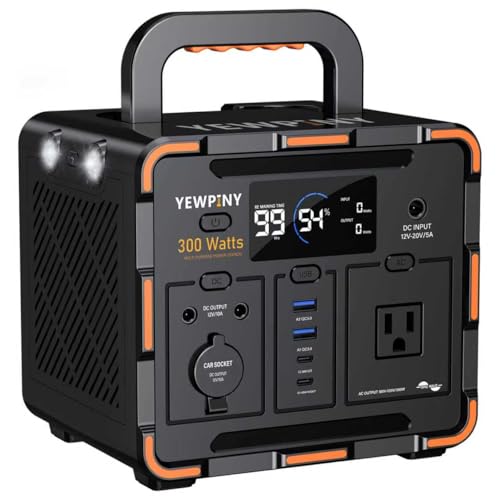 TOP CHOICEBest budget pick300W Portable Power Station, Solar Generator 259Wh, 17500mAh LiFePO4 BView on Amazon
- 4
 Best for fuel-free long runsOxseryn 4400-Watts Inverter Generator, Open Frame Generator Gas PowereView on Amazon
- 5
 Best for lighting during outagesApmeetlux LED Emergency Lights with Battery Backup Commercial EmergencView on Amazon
Our Top Picks
Quick Comparison
| Product | Best for | Key feature |
|---|---|---|
| Jackery HomePower 3600 Plus Power Station | Whole-home essentials on battery power | 3584Wh LFP battery, 3600W AC output |
| Oxseryn 4400 Watts Inverter Generator | Running high-draw appliances with fuel | 4400W gas inverter with ECO mode |
| 300W Portable Power Station (259Wh) | Budget backup for a few small loads | 259Wh LiFePO4 battery with USB-C PD |
| Oxseryn 4400-Watts Inverter Generator (RV Ready) | Long outages with a 30A outlet need | RV-ready 30A outlet, EPA-compliant |
| Apmeetlux LED Emergency Lights | Lighting during power failures | 200lm LED with battery backup |
Jackery HomePower 3600 Plus Power Station, 3584Wh, 3600W AC Output | LFP Battery, Expandable to 21kWh, Solar Generator, Essential Home Backup for Home Use, Emergencies, RV (Solar Panel Optional)
Jackery HomePower 3600 Plus Power Station, 3584Wh, 3600W AC Output | LFP Battery, Expandable to 21kWh, Solar Generator, Essential Home Backup for Home Use, Emergencies, RV (Solar Panel Optional)
Jackery HomePower 3600 Plus Power Station
Best for: Whole-home essentials on battery power
This is a larger battery station aimed at homeowners who want quiet, fume-free backup for the essentials in a typical house. It suits people who expect multi-hour or multi-day outages and who may want to add solar charging later.
Key specs
- 3584Wh LFP battery capacity
- 3600W AC output
- Expandable battery capacity up to 21kWh (per listing)
- Solar-compatible, with solar panels optional
Pros
- Large capacity covers a refrigerator and CPAP for many hours
- LFP chemistry is generally regarded as durable across many charge cycles
- Silent operation compared with gas generators
Cons
- Heavy and not especially easy to move alone
- Full recharge from the wall takes a long time without solar input
Bottom line: A strong pick for homeowners who want quiet, indoor-safe backup with room to grow. Plan for the weight and charging time.
View on Amazon
Oxseryn Power Equipment 4400 Watts Inverter Generator Gas Powered, Portable Open Frame Generator, Low Noise with ECO Mode, RV Ready, Emergency Home Backup
Oxseryn Power Equipment 4400 Watts Inverter Generator Gas Powered, Portable Open Frame Generator, Low Noise with ECO Mode, RV Ready, Emergency Home Backup
Oxseryn Power Equipment 4400 Watts Inverter Generator Gas Powered
Best for: Running high-draw appliances with fuel
This is a portable gas inverter generator for households that need more power than a small battery unit can supply, such as a sump pump plus a fridge and lights. It works well for people who can store fuel safely and run the unit outdoors.
Key specs
- 4400 watts rated output (per listing)
- Open frame, gas powered
- ECO mode for reduced fuel use and noise
Pros
- Runs for as long as fuel is available
- Handles higher starting loads than most small battery stations
- Lighter than many conventional generators of similar output
Cons
- Must be operated outdoors, away from windows and doors, because of carbon monoxide risk
- Requires fuel storage and periodic maintenance
Bottom line: A practical choice for buyers who want long runtime and do not mind handling fuel. Never run it indoors or in a garage.
View on Amazon
300W Portable Power Station, Solar Generator 259Wh, 17500mAh LiFePO4 Battery with 65W USB-C PD&Pure Sine Wave AC, Solar Charging for Camping,Home Backup,Emergency Power(SOS Light & LCD Display)
300W Portable Power Station, Solar Generator 259Wh, 17500mAh LiFePO4 Battery with 65W USB-C PD&Pure Sine Wave AC, Solar Charging for Camping,Home Backup,Emergency Power(SOS Light & LCD Display)
300W Portable Power Station, Solar Generator 259Wh
Best for: Budget backup for a few small loads
This compact unit suits renters, apartment dwellers or anyone who needs to keep phones, a router, LED lights and a small device running during a short outage. It is also a reasonable companion for emergency kits.
Key specs
- 259Wh capacity from a 17500mAh LiFePO4 battery (per listing)
- 300W rated AC output with pure sine wave
- 65W USB-C PD output
Pros
- Small and light enough to carry from room to room
- Pure sine wave output is suitable for most electronics
- Accepts solar charging for off-grid top-ups
Cons
- Capacity is too small for a refrigerator running through a long outage
- Limited wattage rules out larger appliances
Bottom line: Ideal as a budget entry point or secondary backup. It is not enough for a whole kitchen.
View on Amazon
Oxseryn 4400-Watts Inverter Generator, Open Frame Generator Gas Powered, Emergency Home Backup, RV Ready 30A Outlet, EPA Compliment
Oxseryn 4400-Watts Inverter Generator, Open Frame Generator Gas Powered, Emergency Home Backup, RV Ready 30A Outlet, EPA Compliment
Oxseryn 4400-Watts Inverter Generator, Open Frame Gas Powered
Best for: Long outages with a 30A outlet need
This model is aimed at households that want a 30A outlet for a transfer switch or RV-style connection and need extended runtime. It fits homeowners planning around multi-day outages who can operate equipment safely outdoors.
Key specs
- 4400-watt inverter generator (per listing)
- RV-ready 30A outlet (per listing)
- Open frame, gas powered
Pros
- 30A outlet supports a wider range of connection options
- Gas fuel allows extended runtime
- Inverter design generally produces cleaner power for sensitive electronics
Cons
- Requires outdoor placement and fuel handling
- Noisier than battery stations, even in eco modes
Bottom line: Best for buyers who need a higher-output, fuel-based unit with a 30A connection. Have a qualified electrician set up any transfer equipment.
View on Amazon
Apmeetlux LED Emergency Lights with Battery Backup Commercial Emergency Light Fixtures for Business Home Power Failure Outage Exit Sign Lighting with Plug in Cord AC85-277V 200lm 4Hours
Apmeetlux LED Emergency Lights with Battery Backup Commercial Emergency Light Fixtures for Business Home Power Failure Outage Exit Sign Lighting with Plug in Cord AC85-277V 200lm 4Hours
Apmeetlux LED Emergency Lights with Battery Backup
Best for: Lighting during power failures
These are plug-in LED fixtures with battery backup, designed to light a hallway, stairwell or exit path when the power drops. They are not a whole-home power source, but they cover one of the most common outage needs.
Key specs
- 200 lumens output (per listing)
- AC85-277V input (per listing)
- Runtime listed at about 4 hours
Pros
- Turns on automatically when power is lost
- Inexpensive way to cover several rooms
- Plugs into standard outlets with no setup
Cons
- Only provides light, not power for appliances
- Battery life of a few hours limits long outages
Bottom line: A useful add-on for every home, paired with a larger power source. Not a substitute for backup power.
View on AmazonBuying Guide
Calculate your watt-hour needs
Start by listing each device you want to run and its wattage, then multiply by hours of use to get watt-hours. A CPAP often draws roughly 30 to 60 watts, while a refrigerator may draw 100 to 800 watts while running but cycles on and off. Add a margin of 20 to 30 percent to account for inverter losses. Check your appliance labels for exact figures.
Good picks for this: Jackery HomePower 3600 Plus Power Station, 300W Portable Power Station
Continuous versus surge output
Continuous wattage is what the unit can supply indefinitely. Surge wattage covers the brief spike when a motor starts, such as a sump pump or well pump. Make sure the surge rating exceeds the starting draw of your largest motor.
Good picks for this: Oxseryn 4400 Watts Inverter Generator, Oxseryn 4400-Watts Inverter Generator
Battery chemistry and lifespan
Lithium iron phosphate (LFP or LiFePO4) batteries are widely used in home backup units because they tolerate many charge cycles. Manufacturers typically specify cycle life in the thousands, but actual results depend on temperature and usage habits.
Good picks for this: Jackery HomePower 3600 Plus Power Station, 300W Portable Power Station
Fuel type and indoor safety
Gas generators provide long runtime but produce carbon monoxide. They must run outdoors, well away from doors and windows. Battery stations are quiet and safe indoors, which suits apartments and bedrooms. Consider where you would actually operate the unit.
Good picks for this: Apmeetlux LED Emergency Lights, Jackery HomePower 3600 Plus Power Station
Recharging options
Check how fast the unit recharges from a wall outlet and whether it accepts solar input. Faster recharge matters when outages come in succession. Solar expansion can extend runtime for multi-day events, but panels must be sized for your battery.
Good picks for this: Jackery HomePower 3600 Plus Power Station, 300W Portable Power Station
Portability and weight
Large battery units can weigh well over 30 pounds, so consider whether you will need to move them between rooms or store them in a garage. Handles, wheels and compact dimensions matter more than they seem at purchase time.
Good picks for this: 300W Portable Power Station, Apmeetlux LED Emergency Lights
Transfer and connection options
Plugging appliances directly into a portable unit is simplest for short outages. For whole-house use, a transfer switch installed by a licensed electrician is safer than backfeeding a wall outlet. Look for units with the outlet types you need.
Good picks for this: Oxseryn 4400-Watts Inverter Generator, Oxseryn 4400 Watts Inverter Generator
FAQ
What is the best emergency power backup for home use?
There is no single answer. A large battery station suits quiet indoor backup for essentials, while a gas inverter generator suits longer outages with higher loads. Choose based on the devices you need and how long you expect outages to last.
How many watt-hours do I need to run a refrigerator?
A typical refrigerator may use roughly 1 to 2 kilowatt-hours per day, depending on size, age and ambient temperature. Check the energy label on your appliance for an estimate, then size your battery accordingly.
Can a portable power station run a CPAP machine overnight?
Many CPAP machines draw modest power, so a mid-sized battery can often run one for a night. Confirm your machine’s wattage on its label and consult your sleep provider or medical supplier before relying on backup power for medical equipment.
Is it safe to run a gas generator in the garage?
No. Gas generators produce carbon monoxide, which can build up quickly even with the garage door open. Operate them outdoors at a safe distance from doors, windows and vents.
Can a sump pump run on a portable battery?
Often yes, but the starting surge matters. Make sure the unit’s surge rating exceeds the pump’s startup draw, and test the setup before a storm arrives.
Do I need a transfer switch?
For running appliances through your home wiring, a transfer switch is the safest method. Never connect a generator directly to a household outlet, because of the risk to utility workers and your home. Have a licensed electrician install one.
Conclusion
For most homeowners, a large battery station such as the Jackery HomePower 3600 Plus offers the best balance of capacity, quiet operation and indoor safety. If you need higher output and extended runtime and can operate outdoors, a gas inverter generator from Oxseryn is the better fit. The 300W Portable Power Station works as a budget entry point for small devices, and LED emergency lights are a sensible addition for every home. Calculate your watt-hour needs first, then match the unit to your real loads.
Sources
- Guidance on home energy use, backup power planning and efficient appliances (energy.gov)
- Safety recalls and warnings on generators and carbon monoxide hazards (cpsc.gov)
- Fire and electrical safety codes relevant to standby and portable power equipment (nfpa.org)
Related reading
- Top 5 EcoFlow Power Stations with Solar Panel Options for Home Backup (2026)
- Home Battery Power Backup: 5 Best Picks for Outages in 2026
- 8 Best EcoFlow Delta Pro Ultra Whole-Home Backup Power Picks (2026)
- 7 Best Portable Power Stations for Home Backup in 2026
About Lauren Holland
Lauren Holland is part of our editorial team and reviews and edits our solar generators for home backup & emergencies guides, checking product details against manufacturer specifications and owner feedback.





