
 By Graham Fisher
Updated November 2026
A solar powered generator portable unit can keep a fridge, phone charger, CPAP or sump pump running when the grid goes down, but only if the battery capacity and outlet types match your loads. This list compares seven models by watt-hour capacity, output rating, outlet mix, portability and how well each suits home backup versus camping. Selection is based on manufacturer specifications, brand reputation and common owner feedback patterns, not on our own testing. For a deeper look, Top 6 Gas and Solar Powered Generator Picks for Home Backup (2026) covers this in detail.
Our top picks at a glance
- 1
 TOP CHOICEBest overallJackery Explorer 300 Portable Power Station, 292WhView on Amazon
- 2
 TOP CHOICEBest for larger home loadsAnker SOLIX C1000 Gen 2 Solar Powered Generator with 200W Solar PanelView on Amazon
- 3
 TOP CHOICEBest for a bundled panel kitPortable Solar Generator 300W Portable Power Station with 60W Solar PanelView on Amazon
- 4
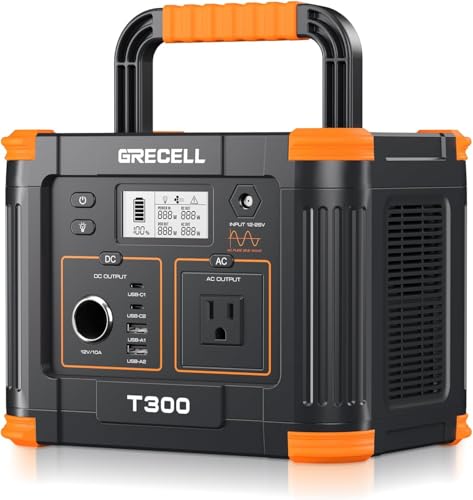 Best for light backup loadsPortable Power Station 330W, GRECELL 230.88Wh Solar GeneratorView on Amazon
- 5
 Best for CPAP and phone chargingMARBERO 172Wh Solar Generator with Panels Included Solar Panel Kit 40WView on Amazon
- 6
 Best for camping and small devicesMARBERO 155Wh Solar Generator with Solar Panel Included 30W Solar Panel KitView on Amazon
- 7
 Best budget pick for minimal loadsHOWEASY Portable Power Station,120W(240W Peak) Solar Generator | 88WhView on Amazon
Our Top Picks
Quick Comparison
| Product | Best for | Key feature |
|---|---|---|
| Portable Solar Generator 300W Portable Power Station | Mixed outdoor and home use | 280Wh, 60W solar panel |
| Jackery Explorer 300 Portable Power Station | Overall home backup | 292Wh LiFePO4 battery |
| Portable Power Station 330W GRECELL | Light backup loads | 230.88Wh, 60W USB-C PD |
| MARBERO 172Wh Solar Generator | CPAP and phone charging | Panels included, 8 ports |
| MARBERO 155Wh Solar Generator | Camping and small devices | Solar panel included |
| Anker SOLIX C1000 Gen 2 | Larger home loads | 1,024Wh, 3,000W peak output |
| HOWEASY Portable Power Station 120W | Minimal loads and budgets | 88Wh, 110V AC outlet |
Portable Solar Generator 300W Portable Power Station with 60W Solar Panel
Portable Solar Generator 300W Portable Power Station with 60W Solar Panel | 110V Pure Sine Wave 280Wh Battery Solar Power Pack with USB QC3.0 DC AC Outlet for Camping Smart Device RV Van Outdoor-Orang
Best for: Mixed outdoor and home use with a panel included
This suits someone who wants a complete kit to recharge during a multi-day outage or trip. Manufacturers specify 280Wh capacity and a pure sine wave AC output.
Pros
- Panel included in the kit
- Pure sine wave output for sensitive electronics
Cons
- Modest capacity for a full refrigerator
Jackery Explorer 300 Portable Power Station, 292Wh
Jackery Explorer 300 Portable Power Station,292Wh | Backup LiFePO4 Battery, Solar Generator for Outdoors, Camping, Travel, Hunting, Blackout (Solar Panel Optional)
Best for: Overall home backup for small loads
Owners often report this as a dependable choice for phones, lights and a CPAP for one night. The LiFePO4 battery is rated for a long cycle life according to the manufacturer. For another angle, check out 5 Best Solar Powered Portable Generators: Picks Compared (2026).
Pros
- LiFePO4 chemistry with long rated cycle life
- Well-known brand with broad accessory support
Cons
- Solar panel sold separately
Portable Power Station 330W, GRECELL 230.88Wh Solar Generator
Portable Power Station 330W, GRECELL 230.88Wh Solar Generator | Solar Generator with 60W USB-C PD Output, Pure Sine Wave Backup Lithium Battery for Outdoors Camping Travel Home Blackout
Best for: Light backup loads and USB-C charging
This fits a household that mainly needs to keep phones, routers and a small lamp running. The 60W USB-C PD output is specified for fast device charging.
Pros
- 60W USB-C PD output
- Pure sine wave backup power
Cons
- Limited capacity for refrigerators
MARBERO 172Wh Solar Generator with Panels Included Solar Panel Kit 40W
MARBERO 172Wh Solar Generator with Panels Included Solar Panel Kit 40W | Solar Powered Generator 270W Surge Portable Power Station with 8 Output Ports for Camping Outdoor Fishing Home Emergency CPAP
Best for: CPAP and phone charging during short outages
Listed with eight output ports and a surge rating, it suits someone who needs an overnight CPAP run and device charging in one kit. Confirm your CPAP’s wattage before relying on it.
Pros
- Panel kit included
- Eight output ports
Cons
- Lower capacity limits runtime for heavier loads
MARBERO 155Wh Solar Generator with Solar Panel Included 30W Solar Panel Kit
MARBERO 155Wh Solar Generator with Solar Panel Included 30W Solar Panel Kit | Solar Powered Generator 150W Surge Portable Power Station with Solar Panel for Camping Home Emergency Blackout Outdoor Hik
Best for: Camping and small emergency devices
This is aimed at people who want a light, portable unit for trips or short blackouts. Its 150W surge rating suits small electronics rather than appliances.
Pros
- Lightweight and easy to carry
- Panel included
Cons
- Not suited to motor loads
Buying Guide
Battery Capacity (Watt-Hours)
Watt-hours (Wh) tell you how much energy a unit can store, and that number sets how long your devices will run. To estimate runtime, add up the wattage of what you plan to power, then divide the battery’s Wh by that total, keeping in mind that some energy is lost during conversion.
Output Rating and Surge Capacity
The continuous output rating shows how much power the unit can supply steadily, while surge or peak rating covers the brief spike that motors and compressors need at startup. Make sure the output comfortably exceeds the combined draw of the appliances you intend to run at the same time, including any startup surge a fridge or sump pump may require.
Outlet Mix and Waveform
Check that the unit includes the outlets you need, such as AC household outlets, USB-A or USB-C ports, and DC car-style ports. For sensitive electronics and medical devices like CPAP machines, look for a pure sine wave output, which is cleaner and safer for those loads than a modified sine wave.
Solar Input and Recharging Options
Some models include a solar panel while others sell the panel separately or accept it as an option. Confirm the maximum solar input wattage, since a larger panel only helps if the unit can accept that much power, and also check whether it can recharge from a wall outlet or car port as a backup when the sun isn’t cooperating.
Portability Versus Home Backup Use
Smaller units with lower Wh ratings are light enough to carry on a hike or camping trip, but they may only power phones, lights and small devices. For keeping a refrigerator or medical equipment running during an outage, a larger battery and higher output matter more than weight, so weigh your priority before you buy.
FAQ
Can a solar powered generator portable unit run a refrigerator?
Many smaller units can run a refrigerator for a limited time, depending on the fridge’s energy use and the battery’s watt-hour capacity. Check the fridge’s rated wattage and its startup surge before choosing a model. Larger units with higher output are generally a better fit for continuous fridge use.
How long does a portable solar generator take to charge from solar panels?
Charging time depends on the panel’s wattage, the unit’s maximum solar input, and how much direct sunlight you get. Full recharge in good sun can take several hours, while cloudy days will slow the process considerably. Recharging from a wall outlet is usually faster and can serve as a backup.
Is a pure sine wave output necessary?
It is strongly recommended for sensitive electronics, laptops, and medical devices such as CPAP machines. Pure sine wave output produces cleaner power that these devices are designed to use. Simpler loads like lights or basic chargers may work fine on modified sine wave, but pure sine wave is the safer general choice.
Do I need to buy the solar panel separately?
It depends on the model. Some bundles include a panel, while others list the panel as optional or sell it separately. Read the product listing carefully to confirm what is included and whether the panel’s wattage works with the unit’s solar input limit.
Conclusion
If you want a compact unit for camping, travel or powering small devices, one of the lighter models with a modest watt-hour rating and a bundled solar panel will serve well. For home backup that needs to keep appliances or medical equipment running during outages, choose a model with higher capacity, greater continuous output and a pure sine wave inverter.
Match the battery size and outlet mix to your most important loads first, then use the solar panel and recharge options as the tiebreaker. Doing that math up front will help you avoid buying a unit that runs out of power too quickly or cannot handle your startup surges.
Related reading
- What Is a Portable Solar Generator System and How Does It Work?
- Solar Powered Generator for Camper: 5 Best Picks for Every Trip
- Solar Powered Generator Small: How to Size One for Home Backup (2026)
- Solar Powered Generator Rental: How to Choose and Size One for Outages
- Solar Powered Generator Price: Compare Models for Home Backup (2026)
About Graham Fisher
Graham Fisher is part of our editorial team and reviews and edits our solar generators for home backup & emergencies guides, checking product details against manufacturer specifications and owner feedback.






