 By Emily Parker
Updated November 2026
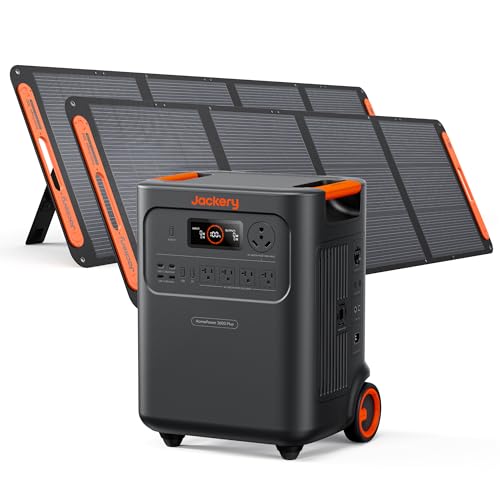
An ecoflow delta pro bundle pairs the Delta Pro power station with extra accessories, usually extra battery capacity, solar input or a transfer switch. This guide shows you how to read what a bundle actually includes, add up the watt-hours your critical loads need, and decide whether the bundle or the base unit fits your outage plan. Nothing here replaces a licensed electrician for any hardwired work.
Step 1: Understand What a Bundle Typically Adds
Bundles are sold in different configurations, and the contents change over time, so read the product listing line by line. Most bundles add one or more of the following: an extra battery module, solar panels, a cable kit, or a smart accessory. Manufacturers specify the exact contents for each bundle, and those lists are the only reliable source for what you will receive. Compare the bundle contents against the base unit’s stated capacity rather than assuming more hardware means more usable power.
Shopping for one? See our guide: 7 Best EcoFlow Delta Pro Ultra Battery Options Compared (2026).
Step 2: Add Up Your Critical Loads in Watt-Hours
Sizing starts with energy, not peak wattage. Multiply each device’s wattage by the hours you expect to run it, then total the results. Typical examples for a home outage:
- Refrigerator: often around 100 to 200 watts while running, but it cycles, so daily energy use is usually a fraction of running power. Check the yearly kWh rating on the label and divide by 365.
- CPAP machine: commonly 30 to 60 watts running; a full night of 8 hours at 40 watts is about 320 Wh.
- Sump pump: a 1/3 horsepower pump may draw roughly 800 to 1,000 watts while running, but only for short bursts, so estimate actual run time.
- LED lights and phone charging: small daily loads that add up over a multi-day outage.
Add a 20 percent margin for inverter losses and real-world variation. A CPAP user with a fridge and a few lights will often find that a single Delta Pro is enough for one night, while a multi-day outage needs more capacity.
Step 3: Match the Bundle to Your Outage Length
Once you have a daily watt-hour total, compare it with the bundle’s usable capacity. The table below shows a simple way to think about it.
| Scenario | Approximate daily load | Bundle fit |
|---|---|---|
| CPAP and phone charging, one night | Under 500 Wh | Base unit is usually enough |
| CPAP, fridge and lights, 1 to 2 days | 1,000 to 2,000 Wh | Extra battery capacity helps |
| Fridge, sump pump and lights, multi-day | 2,000 Wh or more | Bundle with added battery plus solar recharge |
Remember that usable capacity is lower than the labeled figure, and efficiency drops in very hot or cold conditions. Plan for the lower number.
Step 4: Plan Recharging and Connection
A larger battery only helps if you can refill it. If your outages run longer than a day or two, solar input in the bundle or a separate panel array matters more than extra battery. Confirm the solar input limits in the manufacturer’s specifications before buying panels. Connecting a large load like a sump pump or a well pump to a portable station usually requires a dedicated transfer setup, and a licensed electrician should handle any permanent wiring.
Checklist before you buy
- List every device you plan to power and its wattage.
- Estimate hours of use per device for a typical outage.
- Total the watt-hours and add a 20 percent margin.
- Compare the total with the bundle’s usable capacity.
- Confirm recharge options: wall, solar or vehicle.
- Check whether the bundle includes the cables and accessories you need.
Common Mistakes to Avoid
- Sizing by wattage alone and ignoring how long each device runs.
- Assuming labeled capacity equals usable capacity.
- Buying a larger bundle without a plan to recharge it.
- Overlooking startup surge from motors like sump and well pumps.
- Skipping a professional review of any hardwired transfer connection.
Recommended Gear
A reliable cable and connection kit helps you move power between the station and your devices without improvising. Look for an EcoFlow-compatible solar cable set if your bundle lacks one.
- A dedicated EcoFlow cable kit: keeps the connections matched to the station. View on Amazon
- A plug-in watt meter: lets you measure actual daily use of each appliance. View on Amazon
- A portable solar panel set: useful for longer outages where recharging matters most. View on Amazon
For more detail on panels, see Solar Panels for EcoFlow Delta Pro: How to Choose and Connect Them (2026). If you are weighing the base unit against upgrades, Ecoflow Delta Pro Ultra vs Delta Pro Ultra X (2026): Which Should You Choose? compares the options side by side. For charging methods, see How to Charge EcoFlow Delta Pro: 4 Methods for Fast, Safe Charging.
FAQ
Is an EcoFlow Delta Pro bundle worth it over the base unit?
It depends on your outage length and recharge plan. A bundle makes sense if you need more capacity or solar input than the base unit offers on its own.
How do I know how much battery I need?
Total the watt-hours your critical devices use in a typical outage day and add a 20 percent margin. Then compare that figure with the usable capacity listed by the manufacturer.
Can a Delta Pro bundle power a whole house?
Usually not on its own. Most homes need a dedicated transfer setup and a careful load plan, so consult a licensed electrician before attempting whole-home backup.
Conclusion
An ecoflow delta pro bundle is only as good as the match between its contents and your real loads. Start with a watt-hour total, compare it against usable capacity, and plan how you will recharge. Confirm the bundle contents and specifications with the manufacturer before you buy.
Ready to choose one?
About Emily Parker
Emily Parker is part of our editorial team and reviews and edits our solar generators for home backup & emergencies guides, checking product details against manufacturer specifications and owner feedback.