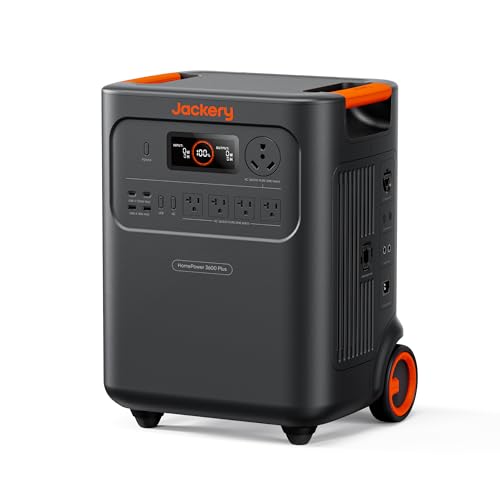
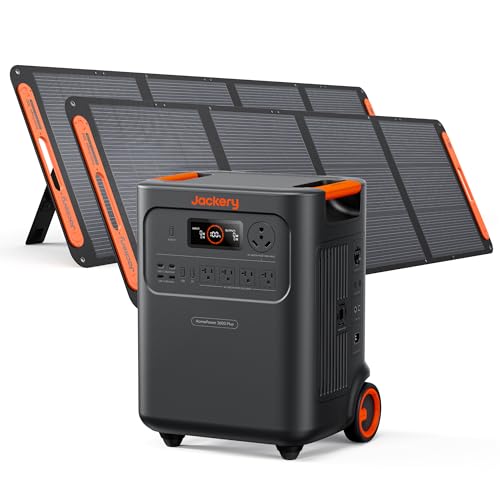
 By Graham Fisher
Updated November 2026
A Jackery E1500v2 paired with a 100W solar panel can keep small loads running through an outage and recharge the battery during daylight. This guide walks through how to connect the two, estimate how long a charge will take, and decide whether one panel is enough for your home backup needs. The math is simple once you know your numbers, and it is worth doing before a storm rather than during one.
Step 1: Confirm the Connection and Input Limits
Start by checking the input specifications in the power station’s manual. The E1500v2 accepts solar input through its solar port, and the input ceiling is what determines how much a panel can actually deliver. A 100W panel is well within the range this station can accept, so the panel itself is not the bottleneck. Use the connector or adapter the manufacturer specifies for your panel model, and confirm polarity before you plug anything in.
Shopping for one? See our guide: Jackery HomePower 3600 Plus Solar Generator: 5 Best Picks Compared (2026).
Step 2: Estimate Real-World Charge Output
A panel’s rated wattage is measured under ideal conditions, and real output is lower. Manufacturers and owners commonly plan for roughly 60 to 75 percent of rated output once you account for angle, heat, haze, and cable losses. That puts a 100W panel at somewhere around 60 to 75 watts of usable input on a good day.
To estimate charge time, divide the battery capacity you need to refill by the usable watts:
- Battery capacity of the E1500v2 is about 1,500 watt-hours.
- At 65 watts of real input, a full charge from empty takes roughly 23 hours of direct sun.
- Half a charge (about 750 Wh) takes roughly 11 to 12 hours.
Those numbers assume the panel gets consistent sun. Cloud cover, shade, or a fixed flat mount will stretch the timeline.
Step 3: Position the Panel for Maximum Sun
Place the panel where it gets unshaded sun for most of the day. In the Northern Hemisphere, that generally means facing south and tilting the panel toward the sun’s midday angle. Owners often report that adjusting the tilt once or twice a day makes a noticeable difference compared with leaving it flat. Keep cables out of walkways and protect the connection points from rain and standing water.
Step 4: Size the Setup for Your Loads
Before deciding whether one panel is enough, list the devices you plan to run and their watt-hour use per day. A refrigerator, a CPAP machine, a sump pump, and phone or lighting loads add up quickly. A single 100W panel recovers only about 300 to 400 Wh on a typical sunny day, which means it can offset light daily use but will not fully replace a large nightly draw. For a deeper look at how generator capacity matches household needs, see Jackery Solar Powered Generator: What It Can Run and How to Size One. For the specific panel pairing details, Jackery E1500v2 and 100w Solar Panel: A Practical Guide (2026) covers compatibility in more depth.
Watt-Hour Check for Common Home Loads
| Device | Typical Daily Use (approx.) | Notes |
|---|---|---|
| CPAP machine | 200 to 400 Wh per night | Varies with humidifier and model |
| Mini or compact fridge | 300 to 600 Wh per day | Depends on temperature and door openings |
| Sump pump (1/3 HP) | Low, but spikes at startup | Runtime depends on water inflow |
| Phone and LED lighting | 50 to 100 Wh per day | Light use |
These are rough ranges. Check the label or manual on your own appliances, and confirm any medical equipment needs with your provider or a qualified professional.
Common Mistakes and Tips
- Assuming rated wattage equals real output. Plan around roughly two-thirds of the label number.
- Skipping a mounting angle. A flat panel can lose a large share of its daily input.
- Connecting mismatched adapters. Use only the connector the manufacturer specifies, and check that connections are dry and secure.
- Sizing for best-day sun only. Plan for cloudy stretches, since a single panel may not recharge fully in a multi-day outage.
- Ignoring startup surges. Motors such as sump pumps draw more power when they start than when they run.
Recommended Gear
- A solar panel adjustable stand helps you change the tilt through the day, which matters more than most buyers expect. View on Amazon
- A weatherproof extension cable lets you place the panel in full sun while keeping the power station in a shaded, dry spot. View on Amazon
- A plug-in watt meter lets you measure what your appliances actually draw, which makes the sizing math far more accurate. View on Amazon
FAQ
How long does a 100W panel take to charge the E1500v2?
Under good direct sun, expect roughly 20 to 25 hours of panel time for a full charge from empty, because real output is usually well below the rated 100 watts. Partial charges take proportionally less time.
Can one 100W panel run a refrigerator during an outage?
It can offset some of a refrigerator’s daily draw on sunny days, but it usually will not cover the full load on its own. Adding a second panel or limiting door openings helps.
Is a 100W panel safe to connect without a professional?
Many owners connect panels themselves by following the manufacturer’s manual, but if you are unsure about wiring or polarity, consult a qualified electrician or installer before connecting.
Conclusion
A Jackery E1500v2 with a 100W panel works best as a daylight recharge source for light and essential loads. Calculate real input at about two-thirds of the rated wattage, match that against your daily watt-hour needs, and position the panel carefully. A short test on a sunny day will show you how the setup performs before you depend on it.
Related reading
- Jackery SolarSaga 100W Solar Panels: Specs, Output and Setup Guide
- Where Are Jackery Solar Generators Made? Manufacturing Origins Explained (2026)
- Shop Deals on Jackery Solar Generator: 7 Best Picks Compared (2026)
- Mc4 to Jackery Adapter: How to Connect Solar Panels Safely (2026)
Ready to choose one?
About Graham Fisher
Graham Fisher is part of our editorial team and reviews and edits our solar generators for home backup & emergencies guides, checking product details against manufacturer specifications and owner feedback.