 By Graham Fisher
Updated November 2026
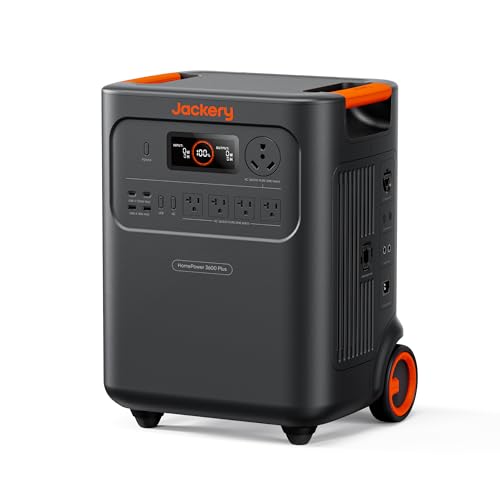
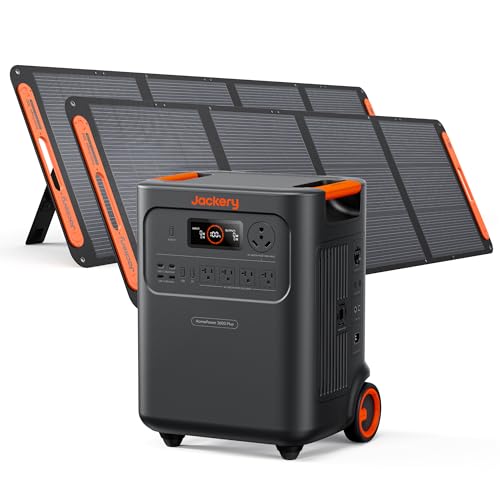
A Jackery E1000 Plus solar generator can keep a refrigerator, a CPAP machine, Wi-Fi gear and a few lights running during an outage, but only if you match its capacity to what you actually plug in. This guide walks through how to estimate your load, pair the unit with solar panels and set it up so it is ready when the grid goes down. The jackery e1000 plus solar generator is a portable power station, so the same sizing logic applies to any Jackery E1000 Plus generator with solar input.
Step 1: List What You Need to Power
Start with the devices you want during an outage, not the ones you would like to have. Check the label on each appliance for watts (W) or amps and volts. If only amps are listed, multiply amps by volts to get watts.
Shopping for one? See our guide: Jackery HomePower 3600 Plus Solar Generator: 5 Best Picks Compared (2026).
- Refrigerator: often 100 to 200 W while running, with a higher surge at startup
- CPAP machine: typically 30 to 90 W, depending on the model and humidifier use
- Sump pump: commonly 600 to 1,000 W while running, with a larger startup surge
- LED lights: usually under 10 W each
- Router and modem: usually 10 to 25 W combined
Step 2: Convert Watts to Watt-Hours
The E1000 Plus is rated in watt-hours (Wh), which is the energy the battery stores. To estimate runtime, multiply each device’s watts by the hours you expect to run it, then add the totals. For example, a 60 W CPAP running 8 hours uses 480 Wh. A 150 W refrigerator running 24 hours uses 3,600 Wh if it cycles constantly, though compressors often run only about a third to half of the time, so real use is lower.
Next, account for conversion losses. Inverters and power delivery typically lose 10 to 20 percent of stored energy, so a practical rule is to divide usable capacity by about 0.85 when estimating how long your load will last.
Step 3: Size Your Solar Input
Solar panels do not give you instant backup power. They recharge the battery during daylight, so you need enough panel wattage to replace what you use each day. As a rough check, divide your daily watt-hour use by about 4 to 5 peak sun hours (the average figure varies by location and season) to estimate the panel wattage you need. A household using 1,000 Wh per day in a location with 4 peak sun hours would need around 250 W of panels, plus some margin for cloudy days.
The E1000 Plus accepts solar input through its connection ports, so confirm the maximum input wattage in the Jackery manual before you buy panels. Exceeding that limit can trigger protection modes or reduce charging speed.
Choosing Panel Placement
Place panels where they get direct sun for most of the day, angled toward the equator, and keep them clear of shade from trees or roof edges. Partial shade on one panel can cut output more than you expect, so position them carefully.
Step 4: Set Up and Test Before You Need It
- Charge the unit fully from a wall outlet before the first use.
- Connect solar panels and confirm the input indicator shows charging.
- Plug a small load, such as a lamp, and confirm the output works.
- Run a test of your real critical devices for an hour and check the battery percentage drop.
- Store the unit indoors, away from direct heat, and top it up every few months.
Common Mistakes to Avoid
- Ignoring startup surges from refrigerators and pumps, which can exceed the rated continuous output.
- Assuming the full rated Wh is usable, when conversion losses reduce what you actually get.
- Connecting more panels than the unit’s stated input limit.
- Waiting until an outage to test the setup.
- Letting the battery sit near empty for long periods, which can shorten its life.
Recommended Gear
- Jackery SolarSaga solar panels: Jackery-branded panels designed to pair with its portable power stations for daytime recharging. View on Amazon
- Kill A Watt electricity usage monitor: a plug-in meter that shows the actual watts and watt-hours each appliance draws, which makes the sizing math far more accurate. View on Amazon
FAQ
Can a Jackery E1000 Plus run a refrigerator overnight?
Often yes, but it depends on the fridge’s average daily consumption. Check the appliance’s energy rating or measure it with a watt meter, then compare that daily figure with the usable capacity of the unit.
How long does it take to recharge with solar?
Recharge time depends on panel wattage, sunlight and the unit’s input limits. Divide the battery’s stored energy by the realistic average panel output to estimate a full recharge, then add time for weather.
Is a CPAP safe to run on a portable power station?
Many CPAP owners do use portable power stations during outages, but confirm your machine’s wattage and consult your sleep provider or equipment supplier about backup power requirements before relying on it.
Conclusion
A Jackery E1000 Plus solar generator works best when you size it from real device wattage, not guesses. Convert your daily watt-hour needs, add margin for losses, and size the solar panels to recharge what you use. Test the setup before an outage so you know exactly how long your critical devices will run.
Related reading
- Jackery Solar Generator 5000 Plus Review: Features and Performance
- Jackery Explorer 2026 Plus Solar Generator: 5 Best Picks Compared (2026)
- 6 Best Jackery 2026 Plus Solar Generator Options Compared (2026)
Ready to choose one?
About Graham Fisher
Graham Fisher is part of our editorial team and reviews and edits our solar generators for home backup & emergencies guides, checking product details against manufacturer specifications and owner feedback.