 By Lauren Holland
Updated November 2026
A whole home backup power generator keeps your refrigerator, furnace or heat pump controls, sump pump, well pump, lights and internet running when the grid goes down. Choosing one comes down to four things: how much power your house actually draws, what fuel you can reliably get, whether the unit can connect to your electrical panel through a transfer switch, and how long it needs to run. The six options below cover the range from permanently installed standby units to large portable and solar-based systems, and each one is matched to a specific type of household.
Our top picks at a glance
- 1
 TOP CHOICEBest overallGenerac 14kW Whole Home Generator, Transfer Switch & Cellular CapabilityView on Amazon
- 2TOP CHOICEBest for larger homesGenerac 22kW Whole Home Generator, Transfer Switch & Cellular CapabilityView on Amazon
- 3
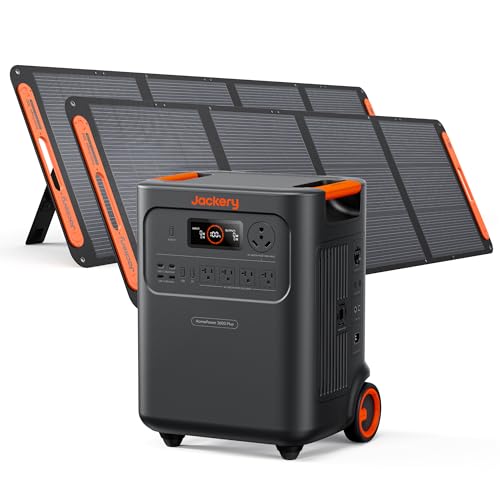 TOP CHOICEBest for quiet solar-based backupJackery HomePower 3600 Plus & 2x200W Solar PanelsView on Amazon
- 4
 Best budget pickDuroMax XP13000EH 13,000-Watt Dual Fuel Portable GeneratorView on Amazon
- 5
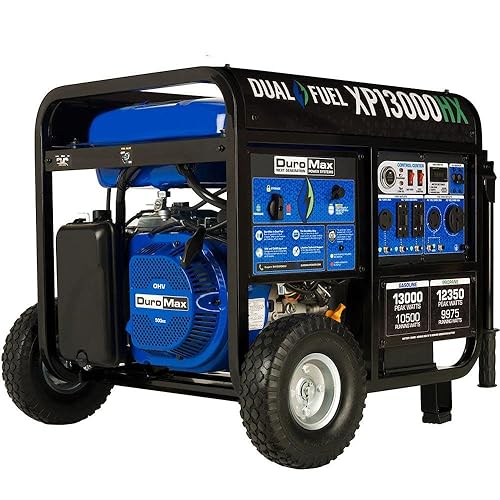 Best for dual fuel flexibilityDuroMax XP13000HX 13,000-Watt Dual Fuel Portable GeneratorView on Amazon
- 6
 Best for long outages with solarEF ECOFLOW Power Station 12288Wh Delta Pro Ultra XView on Amazon
Our Top Picks
Each pick below is evaluated against the same criteria: rated output and surge capacity, fuel options, transfer switch compatibility, runtime, noise, and the consistency of owner feedback about reliability and support. Specifications come from manufacturer listings. Where a detail is not clearly stated, we leave it out rather than guess.
| Product | Best for | Key feature |
|---|---|---|
| Generac 14kW Whole Home Generator, Transfer Switch & Cellular Capability | Most typical single-family homes | Automatic 200 amp transfer switch |
| Generac 22kW Whole Home Generator, Transfer Switch & Cellular Capability | Large homes with high electric loads | Higher 22kW output with automatic transfer |
| Jackery HomePower 3600 Plus & 2x200W Solar Panels | Quiet, emissions-free backup with solar recharge | 3584Wh LFP battery, expandable to 21kWh |
| DuroMax XP13000EH 13,000-Watt Dual Fuel Portable Generator | Budget-minded households needing portable backup | Gas and propane operation, electric start |
| DuroMax XP13000HX 13,000-Watt Dual Fuel Portable Generator | Households wanting fuel flexibility with transfer switch readiness | Transfer switch ready, electric start |
| EF ECOFLOW Power Station 12288Wh Delta Pro Ultra X | Multi-day outages and solar-heavy setups | 12288Wh capacity, expandable to 180kWh |
Generac 14kW Whole Home Generator, Transfer Switch & Cellular Capability
Generac 14kW Whole Home Generator, Transfer Switch & Cellular Capability | Whole House Backup Power, Automatic 200 Amp Transfer Switch, Outdoor Gas Propane, Protects Home Outages, Storm Protection
Best for: Best overall for typical single-family homes that want permanent, automatic backup.
This is a standby-style unit meant to be installed outdoors on a pad and connected to the home’s electrical service. It suits homeowners who want power to restore on its own within moments of an outage, without anyone having to start a machine or run extension cords. Homes with gas service or a propane tank are the natural fit.
Key specs
- 14kW rated output
- Automatic 200 amp transfer switch
- Outdoor installation with gas or propane fuel
- Cellular connectivity for remote monitoring
Pros
- Starts and transfers automatically during an outage
- Can cover essential circuits plus heavy loads such as central air or electric water heating, depending on sizing
- Remote monitoring makes it easier to check status when you are away
Cons
- Requires professional installation, a permit and a fuel supply line or tank
- Higher upfront commitment than any portable option
Bottom line: The best choice if you want set-and-forget whole house power and you have, or can add, a suitable fuel source.
View on AmazonGenerac 22kW Whole Home Generator, Transfer Switch & Cellular Capability
Generac 22kW Whole Home Generator, Transfer Switch & Cellular Capability | Whole House Backup Power, Automatic 200 Amp Transfer Switch, Outdoor Gas Propane, Protects Home Outages, Storm Protection
Best for: Best for larger homes with high electric loads.
The 22kW version is aimed at larger houses, homes with multiple central air units, electric ranges and water heaters, or properties where you want nearly everything running during an outage. It is the same general product family as the 14kW model, scaled up for higher demand.
Key specs
- 22kW rated output
- Automatic 200 amp transfer switch
- Outdoor installation with gas or propane fuel
- Cellular connectivity for remote monitoring
Pros
- Enough headroom to start large motors and run several major appliances together
- Automatic transfer means no manual switching during a storm
- Remote monitoring supports maintenance and status checks
Cons
- Larger footprint and a more involved installation than smaller units
- Oversizing for a modest home means paying for capacity you may not use
Bottom line: Pick this over the 14kW model if a load calculation shows your home needs more than about 14kW of simultaneous backup.
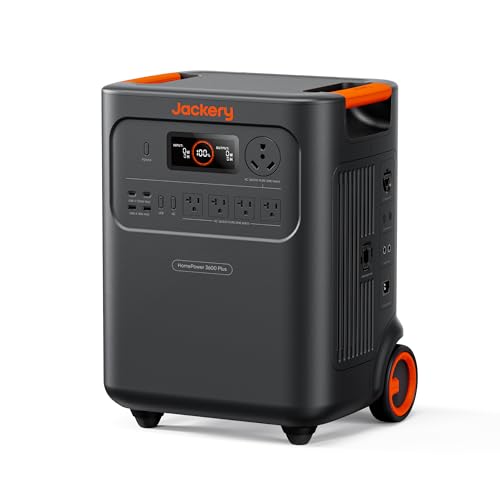
View on AmazonJackery HomePower 3600 Plus & 2x200W Solar Panels
Jackery HomePower 3600 Plus & 2x200W Solar Panels, 3584Wh, 3600W AC Output | LFP Battery, Expandable to 21kWh, Solar Generator, Essential Home Backup for Home Use, Emergencies, RV
Best for: Best for quiet, emissions-free backup with solar recharging.
This is a solar generator system rather than a combustion unit. It suits households that want silent operation indoors or on a patio, no fuel storage, and the ability to recharge from sunlight during extended outages. It is better for essential loads than for running an entire house at full demand all day.
Key specs
- 3584Wh LFP battery capacity
- 3600W AC output
- Expandable to 21kWh with additional battery modules
- Includes two 200W solar panels
Pros
- Silent operation with no carbon monoxide exhaust
- LFP chemistry is generally associated with long cycle life
- Expandable capacity lets you grow the system over time
Cons
- Solar recharge speed depends heavily on sun exposure and weather
- Whole-house use still requires careful load management and an electrician for transfer connection
Bottom line: A strong choice for households prioritizing clean, quiet power for refrigeration, medical devices, communications and lighting.
View on AmazonDuroMax XP13000EH 13,000-Watt Dual Fuel Portable Generator
DuroMax XP13000EH 13,000-Watt Dual Fuel Portable Generator – Gas & Propane, Electric Start, Whole Home Backup Power, Transfer Switch Ready, RV & Emergency Ready
Best for: Best budget pick for portable backup that can run on gasoline or propane.
This is a portable open-frame style generator. It suits homeowners who want significant output without the cost of a permanent standby system, and who are willing to start the unit manually and run it outdoors at a safe distance from the house.
Key specs
- 13,000-watt rated output
- Dual fuel: gasoline and propane
- Electric start
- Transfer switch ready
Pros
- Strong output for the category
- Dual fuel gives you a backup if one supply runs short
- Electric start is easier on the user than a pull cord
Cons
- Loud and requires outdoor placement away from windows and doors to avoid carbon monoxide risk
- Manual startup and refueling mean it is not automatic
Bottom line: A practical value option if you can accept manual operation and have a transfer switch installed for safe connection to the home.
View on AmazonDuroMax XP13000HX 13,000-Watt Dual Fuel Portable Generator
DuroMax XP13000HX 13,000-Watt Dual Fuel Portable Generator – Gas & Propane, Electric Start, Whole Home Power Backup, Transfer Switch Ready, RV & Emergency Ready
Best for: Best for households wanting dual fuel flexibility with transfer switch readiness.
This model shares the same general platform as the XP13000EH, with the same dual fuel and transfer switch readiness. It fits owners who plan to connect the generator to a manual or automatic transfer switch and want the fuel options for longer runs.
Key specs
- 13,000-watt rated output
- Dual fuel: gasoline and propane
- Electric start
- Transfer switch ready
Pros
- Good output for essential and some heavy loads
- Propane option works well for longer storage periods
- Electric start simplifies cold-weather starting
Cons
- Requires outdoor operation and regular manual attention
- Noise level makes it less suitable for close neighbors or overnight use near bedrooms
Bottom line: Choose this if you want the same portable capacity with dual fuel and plan to use a transfer switch for home connection.
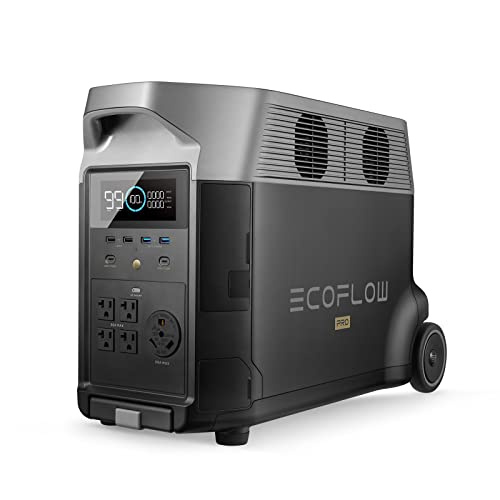
View on AmazonEF ECOFLOW Power Station 12288Wh Delta Pro Ultra X
EF ECOFLOW Power Station 12288Wh Delta Pro Ultra X with AC cable | 12000W Solar Generator for Whole-Home Backup, Expandable to 180kWh, Emergency Power Supply (1x Inverter + 2 x Batteries)
Best for: Best for multi-day outages and solar-heavy setups.
This is a large home battery power station with a 12kW-class inverter, designed for whole-house or large-circuit backup and expansion. It suits homeowners who want a battery-based system that can ride through longer outages, especially when paired with solar panels.
Key specs
- 12288Wh battery capacity
- 12000W output in the listed configuration
- Expandable to 180kWh with additional batteries
Pros
- Very large capacity for extended outages
- Expandable architecture supports future growth
- Silent operation with no fuel handling
Cons
- Premium price tier and a substantial installation commitment
- Sizing and wiring require professional planning, including a licensed electrician
Bottom line: Best for owners who want a large battery-based whole-home system, plan to add solar, and are prepared for a professional installation.
View on AmazonBuying Guide
Calculate your real power needs
Start with a load audit. List every circuit you want backed up, then add up the running watts and the surge watts for motors and compressors. Refrigerators, well pumps and central air have high startup surges, often several times their running wattage. Size the generator to handle the largest simultaneous surge, not just the sum of running loads. The Whole Home Power Backup System: How to Size One for Outages (2026) guide walks through this calculation step by step.
Good picks for this: Generac 14kW Whole Home Generator and Generac 22kW Whole Home Generator
Fuel type and availability
Natural gas is typically the most dependable fuel for a standby unit because it comes from a utility line. Propane stores well in tanks, while gasoline degrades over time and needs stabilizer. Dual fuel portable units give you a fallback. Consider what you can reliably access during a regional outage, not just on a normal day.
Good picks for this: DuroMax XP13000EH and DuroMax XP13000HX
Transfer switch and electrical connection
A transfer switch isolates your home from the utility grid so backfeed does not endanger utility workers. Whether you choose an automatic or manual switch, installation should be done by a licensed electrician who follows local code. Never plug a generator directly into a wall outlet. For guidance on connecting safely, see Home Backup With a Solar Generator: What It Can Power and How to Connect Safely.
Good picks for this: Generac 14kW Whole Home Generator and DuroMax XP13000HX
Runtime and fuel consumption
Runtime depends on load and fuel capacity. A portable generator at partial load can run many hours on a tank, while a battery system’s runtime is measured in watt-hours. Estimate how long you need to run and compare that to fuel storage or battery capacity. Multi-day outages favor either large fuel reserves or a large battery with solar recharge.
Good picks for this: EF ECOFLOW Power Station 12288Wh and Jackery HomePower 3600 Plus
Noise and placement
Combustion generators are loud and must be placed outdoors, away from windows, doors and vents, to keep carbon monoxide out of living spaces. Check local noise ordinances and neighbor proximity. Battery and solar systems operate quietly and can often be placed on a patio or garage with proper ventilation and clearance.
Good picks for this: Jackery HomePower 3600 Plus and EF ECOFLOW Power Station 12288Wh
Durability, maintenance and support
Standby generators need periodic exercise runs, oil changes and inspections. Portable units need fuel rotation and carburetor care. Owners frequently report that warranty and service availability in their area matter as much as the hardware itself, so check support options before you buy.
Good picks for this: Generac 22kW Whole Home Generator and DuroMax XP13000EH
Expandability and future needs
If you may add solar, an EV charger or a heat pump later, choose a platform that can grow. Battery systems with expansion options and generators with headroom in output give you room to adjust without replacing the whole setup.
Good picks for this: EF ECOFLOW Power Station 12288Wh and Jackery HomePower 3600 Plus
FAQ
How many watts do I need for a whole home backup power generator?
Most homes need somewhere between 10kW and 22kW to run nearly everything, but many households are fully served by backing up only essential circuits at lower output. Use a load calculation that includes surge demand from motors and compressors, and confirm with a licensed electrician or installer.
Can I run a whole home generator on solar only?
Solar-based battery systems can power a home for extended periods, but the solar recharge rate depends on panel size, sunlight and weather. For heavy loads or long cloudy stretches, many owners pair solar with a combustion backup or limit which circuits run.
Do I need a transfer switch?
Yes, for any generator connected to household wiring. A transfer switch prevents backfeed into the utility grid, which is a serious safety hazard. Have it installed by a licensed electrician who follows local electrical code.
Is a standby generator better than a portable one?
Standby units start and transfer automatically and suit people who need uninterrupted power. Portable units cost less and offer flexibility, but they require manual setup and outdoor operation. The right choice depends on how much automation and convenience you need.
How long can a whole home backup power generator run?
Runtime depends on fuel supply and load. Standby units run as long as fuel is supplied. Portable units run for hours on a tank, and battery systems run based on watt-hour capacity divided by load. Plan fuel or battery capacity around the outage lengths common in your area.
Where should I place a generator at home?
Combustion generators must be outdoors, well away from windows, doors and air intakes, and never in a garage or basement. Follow the manufacturer’s clearance guidance and install a carbon monoxide alarm in the home.
Conclusion
For most typical homes that want automatic, permanent backup, the Generac 14kW Whole Home Generator is the strongest all-around fit, and the 22kW version suits larger houses with heavy loads. If quiet operation and solar recharging matter most, the Jackery HomePower 3600 Plus is a practical choice for essential circuits. Budget-minded buyers who can accept manual startup will find the DuroMax portable models useful, with the XP13000HX offering more fuel flexibility. For multi-day outages and future solar expansion, the EF ECOFLOW Power Station 12288Wh Delta Pro Ultra X is the most capable battery-based option here. Whatever you choose, have a licensed electrician confirm load sizing and transfer switch installation.
Sources
- Guidance on home energy systems, backup power planning and generator safety considerations (energy.gov)
- Consumer safety information on portable generators and carbon monoxide hazards (cpsc.gov)
- Standards and fire safety guidance relevant to standby power and electrical installations (nfpa.org)
Related reading
- Whole-Home Backup Power Solution: How to Size One for Outages (2026)
- Generac Generators for Home Backup Power: 6 Best Picks (2026)
- 8 Best EcoFlow Delta Pro Ultra Whole-Home Backup Power Picks (2026)
About Lauren Holland
Lauren Holland is part of our editorial team and reviews and edits our solar generators for home backup & emergencies guides, checking product details against manufacturer specifications and owner feedback.