By Emily Parker
Updated November 2026
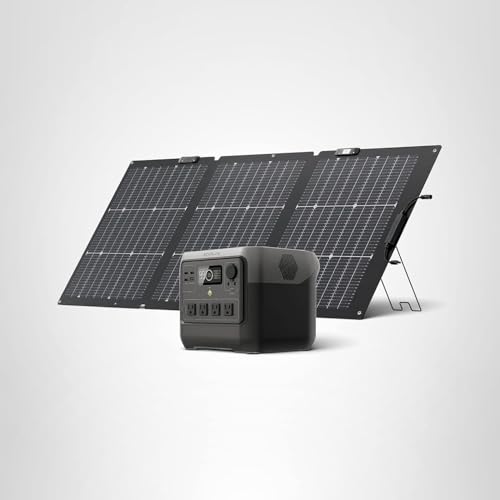
An ecoflow river 3 plus portable power station can keep essentials running through a typical outage, but only if you match its battery capacity to what you plan to power. This guide walks you through estimating your daily watt-hour needs, checking whether the unit covers them, and spotting the gaps before a storm does it for you.
Step 1: List What You Need to Run
Start with the devices you truly need during an outage, not everything in the house. Common priorities are a refrigerator, a CPAP machine, a sump pump, phone and laptop chargers, and a few lights. Write down each device’s wattage from its label or manufacturer specifications. If the label lists only amps, multiply amps by volts (usually 120 in the US) to get watts.
Shopping for one? See our guide: Ecoflow Delta 3 Plus Portable Power Station Review (2026).
Step 2: Convert Watts to Watt-Hours
Battery capacity is measured in watt-hours (Wh), so you need energy use over time, not just power draw. Multiply each device’s wattage by the hours it runs per day. A fridge that averages about 150 watts running roughly 8 hours a day uses about 1,200 Wh, though compressor cycling makes real numbers vary. Because you cannot drain a lithium battery to zero without shortening its life, plan on using only about 80 to 90 percent of the rated capacity.
Sample Daily Load Estimate
| Device | Typical Watts | Hours per Day | Daily Wh (approx.) |
|---|---|---|---|
| Refrigerator (average) | 150 | 8 | 1,200 |
| CPAP machine | 40 | 8 | 320 |
| Sump pump (intermittent) | 800 | 1 | 800 |
| LED lights (4 bulbs) | 40 | 4 | 160 |
| Phone and laptop charging | 60 | 2 | 120 |
These figures are illustrative. Measure your own devices with a plug-in watt meter where possible, and treat sump pump and refrigerator numbers as ranges rather than fixed values.
Step 3: Compare Your Total Against Usable Capacity
Add the daily Wh for your essentials, then multiply the result by the number of outage days you want to cover. Compare that figure to the unit’s usable capacity after accounting for conversion losses. Inverter losses for AC output are real, so a rough rule is to add about 15 percent to your load estimate. If your total exceeds usable capacity, you have three options: cut loads, add battery capacity, or plan to recharge from solar or another source during the day.
Step 4: Plan the Recharge Side
A portable power station only helps for as long as it has energy in it. Decide how you will recharge it during a multi-day outage. Wall charging works if the grid is up, a vehicle outlet can help in a pinch, and solar input is the usual choice for longer events. Keep in mind that solar output depends heavily on panel wattage, sun hours and weather, so size panels conservatively.
Common Mistakes to Avoid
- Using nameplate watts instead of measured or average usage, which can wildly overstate or understate loads.
- Forgetting the start-up surge of motors, such as a sump pump, which can briefly demand several times its running wattage.
- Ignoring inverter losses and planning as if the full rated capacity is available.
- Assuming the refrigerator runs continuously; it cycles, but in a hot house it runs more often.
- Testing the setup for the first time during an actual outage.
Recommended Gear
- Plug-in watt meter: Measures actual draw from your fridge, CPAP or lamps so your Wh math uses real numbers. View on Amazon
- Extension cord rated for outdoor and heavy loads: Useful for reaching a sump pump or fridge safely from the unit. View on Amazon
FAQ
Can an ecoflow river 3 plus portable power station run a refrigerator overnight?
It can, often for a number of hours that depends on the fridge’s efficiency and how often it cycles. Measure your fridge’s actual daily consumption before relying on it. Keep doors closed to reduce cycling.
Is the unit enough for a CPAP machine?
Many CPAP machines draw modest power, so a single night is usually manageable with a good state of charge. Confirm the exact wattage on your device and consult your sleep provider or equipment supplier about backup requirements.
Should I run a sump pump from a portable power station?
Sump pumps have high startup surges, so check that the unit’s surge rating covers your pump before connecting it. Consult a licensed electrician if you are unsure how to set up safe connections.
Conclusion
Sizing an ecoflow river 3 plus portable power station comes down to a simple chain: list your essential loads, convert them to watt-hours, and compare the total against usable capacity with inverter losses included. Once you know your numbers, you can decide whether to cut loads, add capacity or plan a recharge source. Test the setup before you need it.
Related reading
- 3 Best Ef Ecoflow Portable Power Station River 2 Pros (2026): Our Picks
- Ecoflow Delta Pro Portable Power Station Review: Is It Worth It?
- Ecoflow Delta Pro 3 Portable Backup Power Station System: A Practical Guide (2026)
Ready to choose one?
About Emily Parker
Emily Parker is part of our editorial team and reviews and edits our solar generators for home backup & emergencies guides, checking product details against manufacturer specifications and owner feedback.