By Emily Parker
Updated November 2026
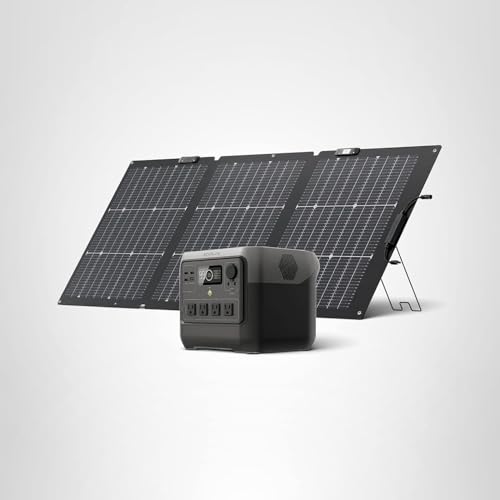
The EcoFlow River 2 Pro portable power station is a compact battery unit that can keep essential loads running during a short outage. This guide shows you how to estimate how long it will last with your specific devices, how to convert those numbers into a realistic plan, and where its limits are. The math is simpler than most people expect once you know two numbers: the battery capacity and the wattage each device draws.
Step 1: Find the Battery Capacity and Output Limits
Start with the manufacturer’s specifications for the River 2 Pro. The battery is listed in watt-hours (Wh), and the continuous AC output is listed in watts. Those two figures set your ceiling: the watt-hours tell you the total energy available, and the watts tell you how much you can draw at one time. Check the continuous rating rather than any surge or peak figure, because a refrigerator or pump may briefly spike on startup and then settle to a lower draw.
Shopping for one? See our guide: 3 Best Ef Ecoflow Portable Power Station River 2 Pros (2026): Our Picks.
Step 2: Measure What Each Device Actually Draws
Nameplate wattage is often higher than real usage. Look for the label on the device, which usually lists watts or amps (volts multiplied by amps gives watts). For better accuracy, use a plug-in power meter to read the draw over a full cycle. A refrigerator, for example, cycles on and off, so its average draw is far lower than its peak. A CPAP machine usually runs at a fairly steady low wattage through the night. A sump pump draws high power only while it is actively pumping.
Step 3: Calculate Runtime
Use this formula to estimate hours of runtime:
Runtime (hours) = Battery Wh × 0.85 ÷ Average device watts
The 0.85 factor accounts for conversion losses from the battery’s DC output to the AC outlet. Real-world results vary with temperature, device age and load, so treat the answer as an estimate and leave a safety margin.
| Device | Typical average draw | What to check |
|---|---|---|
| CPAP machine | Low and steady | Use the machine’s rated watts; humidifier heaters add load |
| Refrigerator | Cycles on and off | Use a plug-in meter over several hours |
| Sump pump | High while pumping, zero otherwise | Estimate run time per hour during heavy rain |
| Phone and router | Small | Check the power adapter label |
Step 4: Plan for Priority Loads and Charging
Rank your devices by importance and power only what you need. A CPAP is often a health necessity, so it belongs at the top of the list. A refrigerator can be run intermittently if you keep doors closed. Plan how you will recharge the unit, whether from a wall outlet, a vehicle or solar input, because runtime only matters if you can replenish the battery during a longer outage. Sizing solar input is a separate calculation worth doing before a storm season.
Common Mistakes
- Using nameplate watts instead of measured average draw, which often overstates load.
- Ignoring the startup surge of motors in pumps and compressors.
- Forgetting the conversion loss and running the battery to zero.
- Plugging a high-draw appliance such as a space heater into a unit sized only for electronics.
- Waiting until an outage to test whether devices actually run.
Recommended Gear
A plug-in power meter helps you measure real draw rather than relying on labels. View on Amazon
A surge-protected power strip keeps small electronics from being damaged when power switches over. View on Amazon
FAQ
Can the River 2 Pro run a refrigerator overnight?
It can, but the result depends on the fridge’s average draw and how often the door is opened. Measure the refrigerator over several hours and apply the runtime formula before relying on it for a full night.
Is the River 2 Pro enough for a CPAP machine?
For many CPAP machines running at low steady wattage, a unit of this size can cover a night’s use. Confirm the machine’s rated draw and any humidifier load, and consult your sleep provider or medical supplier about backup needs.
How long does the battery last before recharging?
Runtime depends on the connected load, so there is no single answer. Calculate it with the formula above using your actual devices, and build in margin.
Conclusion
To know what the River 2 Pro will power, you need only its watt-hour capacity and the measured average draw of each device. Run the numbers for your priority loads before an outage arrives. Consult a qualified electrician or medical provider for installation or health-related backup planning.
Related reading
- Ecoflow Delta Pro Portable Power Station Review: Is It Worth It?
- Ecoflow Delta Pro 3 Portable Backup Power Station System: A Practical Guide (2026)
- EF EcoFlow Portable Power Station 3600Wh Delta Pro: 4 Best Options (2026)
Ready to choose one?
About Emily Parker
Emily Parker is part of our editorial team and reviews and edits our solar generators for home backup & emergencies guides, checking product details against manufacturer specifications and owner feedback.