By Emily Parker
Updated November 2026
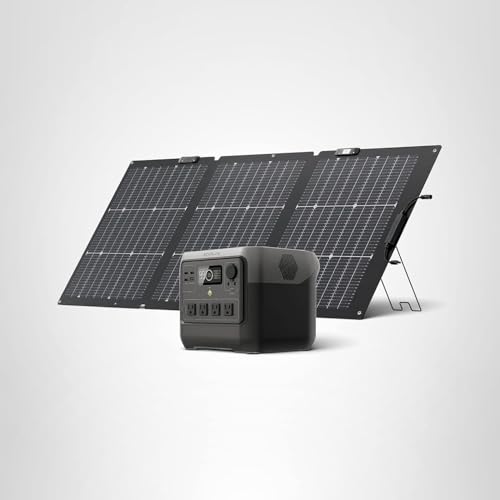
The ecoflow power kit gen 2 is a modular add-on setup designed to pair with a compatible EcoFlow power station for home backup. In this guide you will learn what the kit is generally meant to do, how to add up the watt-hours your critical loads need, and how to check whether your setup will last through an outage. Specifications vary by configuration, so confirm details against the manufacturer’s current documentation before you buy. Worth reading next: 4 Best EcoFlow 10kWh Power Kits for Home Backup (2026).
What the ecoflow power kit gen 2 is meant to do
Power kits of this type are typically sold as expansion or companion hardware rather than standalone generators. Manufacturers generally position them to extend runtime or add capacity to a compatible power station, so the kit does not produce energy on its own. It stores or routes power that the main station supplies. For background on how these stations fit together, see Ecoflow Delta Pro Ultra Whole-home Power Solution: A Practical Guide (2026).
How to size your backup with a watt-hour calculation
Sizing starts with the loads you need during an outage, not with the capacity printed on the box. Use this method:
- List each device you want to run and its rated wattage, found on the label or in the manual.
- Estimate daily or hourly run time for each device.
- Multiply watts by hours to get watt-hours (Wh) for each load.
- Add the totals, then add 20 to 30 percent to cover inverter losses and battery efficiency loss.
- Compare the result to the usable capacity of your full system, including any kit capacity.
A refrigerator is the usual starting point. Many modern units draw roughly 100 to 200 watts while running and cycle on and off, so their average draw is far lower than the peak. Medical devices need extra care; if you rely on a CPAP, check your device’s stated power draw and consult your provider or equipment supplier about backup planning.
Worked example
| Load | Approx. watts | Hours | Watt-hours |
|---|---|---|---|
| Refrigerator (average) | 50 | 24 | 1,200 |
| CPAP machine | 40 | 8 | 320 |
| Phone and router | 30 | 6 | 180 |
| Subtotal | 1,700 | ||
| Add 25% losses | about 2,125 |
In this example, you would need roughly 2,100 usable watt-hours. Replace the sample numbers with your own device labels before relying on the result.
Checking whether the kit fits your setup
Before buying, confirm that the kit is compatible with your specific EcoFlow station model and firmware. Check the input and output ratings, the connection method, and whether you need extra cables or adapters. If you are weighing a larger system, 7 Best EcoFlow 5kWh Power Kits: 7 Top Picks Compared (2026) compares several capacity options side by side.
Planning for solar recharge
Backup capacity only helps if you can recharge it. If you plan to use solar input, check the maximum input wattage your station accepts and compare it to your panel array. For solar-focused pairings, Top 5 EcoFlow Power Stations with Solar Panel Options for Home Backup (2026) covers the common combinations.
Common mistakes
- Sizing only for the peak wattage of a fridge and forgetting its cycling pattern.
- Ignoring inverter and conversion losses, which can cut usable capacity noticeably.
- Assuming a kit works with every EcoFlow station without checking compatibility.
- Planning for the full outage length with no way to recharge.
- Skipping a test run, so you learn the real runtime only during an emergency.
Recommended gear
- Watt meter with plug-in display: lets you measure actual device draw instead of relying on labels. View on Amazon
- Heavy-gauge extension cord rated for outdoor and indoor use: helps connect the station to appliances safely across a room. View on Amazon
- Surge-protected power strip: gives you a single safe point for multiple small loads. View on Amazon
FAQ
Does the ecoflow power kit gen 2 generate its own power?
No. It is designed to work with a compatible power station, which supplies the energy. Check the manufacturer’s documentation for the exact pairing rules.
How do I know how long my backup will last?
Divide your usable watt-hours by your total average load in watts. Real results vary with temperature, load type and inverter efficiency, so test your setup before you need it.
Can I run a sump pump on this setup?
It may be possible, but sump pumps have high startup surges. Check the pump’s surge rating against your station’s specifications, and consult a licensed electrician for a safe installation.
Conclusion
The ecoflow power kit gen 2 can extend a compatible EcoFlow setup, but its value depends on accurate sizing. Start with your real device wattages, add a loss margin, and compare the total to your system’s usable capacity. Confirm compatibility with the manufacturer before purchase and run a test before the next storm.
Related reading
Ready to choose one?
About Emily Parker
Emily Parker is part of our editorial team and reviews and edits our solar generators for home backup & emergencies guides, checking product details against manufacturer specifications and owner feedback.