By Emily Parker
Updated November 2026
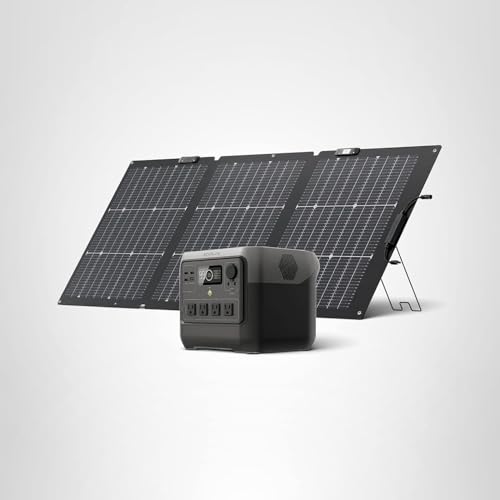
An EcoFlow power kit console is the control and connection hub that links a portable power station to your home’s circuits or to a larger backup system. This guide explains what the console does, how to check whether your setup needs one, and the basic steps for connecting it safely. Always confirm wiring details with the manufacturer’s manual and a licensed electrician before you connect anything to your panel.
What the EcoFlow Power Kit Console Does
The console sits between your power station and the loads you want to back up. It typically provides a dedicated point for transfer switching, outlet management and monitoring, so you can see input and output status in one place. Manufacturers specify which power station models pair with a given console, so compatibility is the first thing to check.
Shopping for one? See our guide: 7 Best EcoFlow 5kWh Power Kits: 7 Top Picks Compared (2026).
If you are still choosing the battery side of the system, the Ecoflow Home Power Station: How to Size One for Outages (2026) guide walks through capacity planning, which feeds directly into what the console needs to handle.
Step 1: Confirm Compatibility and Load Needs
Start by listing the circuits you want to keep running during an outage. Add up the running watts of each device, then note the surge watts for anything with a motor, such as a sump pump or a refrigerator compressor. Compare that total against the continuous and surge ratings published for your power station and console combination.
- Confirm the console model is listed as compatible with your power station.
- Check the total continuous wattage of your planned loads.
- Note the highest surge demand from motor-driven appliances.
- Verify the input voltage and outlet types match your home.
Step 2: Plan the Connection Method
Most consoles are designed for one of two approaches: a plug-in setup that powers selected outlets, or a hardwired transfer arrangement that feeds specific circuits. Plug-in setups are simpler and suit a few essential loads. Hardwired setups cover more of the home but require professional installation and often a permit, depending on your local code.
Step 3: Set Up and Test the System
Once compatibility and method are settled, follow the manufacturer’s installation sequence. Keep the power station off and disconnected from any input source while you make connections. After setup, run a controlled test before you rely on it.
- Verify all connections match the wiring diagram in the manual.
- Charge the power station to full and confirm the console displays correct status.
- Turn off the main breaker and check that the backed-up circuits receive power from the system.
- Restore the grid, confirm the system switches back cleanly, and log the results.
Common Mistakes to Avoid
- Assuming any console works with any power station without checking the compatibility list.
- Ignoring surge demand from pumps and compressors, which can trip the system.
- Connecting a backup source to household wiring without a proper transfer method, which creates a backfeed hazard for utility workers.
- Skipping a full outage test, so problems only show up during a real emergency.
- Letting the battery sit at a low state of charge for long periods.
Recommended Gear
- Clamp-style amp meter: Helps you measure real running and surge draw on each circuit before sizing the system. View on Amazon
- Heavy-duty extension cords rated for outdoor and indoor use: Useful for plug-in setups where the console sits away from the outlets it powers. View on Amazon
- Plug-in watt meter: Lets you check the wattage of individual appliances like a fridge or CPAP before you plan the load. View on Amazon
FAQ
Do I need an EcoFlow power kit console for every power station?
No. Consoles are designed for specific models, so you only need one if your power station and planned setup call for it. Check the manufacturer’s compatibility list before buying.
Can the console power my whole house?
It depends on the system’s capacity and your home’s load. Whole-home coverage usually requires a larger battery and professional installation, so consult a licensed electrician.
How often should I test the system?
Run a short test every few months and after any firmware update or change to your loads. Testing confirms the transfer works and the battery holds its charge. Worth reading next: 4 Best EcoFlow 10kWh Power Kits for Home Backup (2026).
Conclusion
An EcoFlow power kit console can make a backup power setup easier to monitor and connect, but only when it matches your power station and your loads. Confirm compatibility, size your system from real wattage numbers, and test before you depend on it. For wiring beyond a simple plug-in setup, a licensed electrician should handle the work.
Related reading
- Top 5 EcoFlow Solar Power Generator Picks for Home Backup
- Top 5 EcoFlow Power Stations with Solar Panel Options for Home Backup (2026)
Ready to choose one?
About Emily Parker
Emily Parker is part of our editorial team and reviews and edits our solar generators for home backup & emergencies guides, checking product details against manufacturer specifications and owner feedback.