By Emily Parker
Updated November 2026
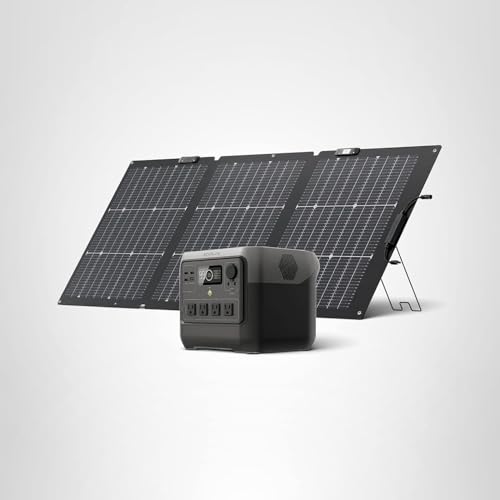
An ecoflow 220w solar panel can recharge a portable power station during a blackout, a camping trip, or a long day without grid power. This guide explains what the panel can realistically deliver, how to estimate the sunlight you need, and how to connect and position it so you get the most out of every hour of sun. You will finish with a clear plan for matching the panel to your backup needs.
What a 220W Panel Can Realistically Deliver
The 220W rating describes the panel’s output under standard test conditions, which assume full, direct sun and a specific cell temperature. Real output is lower. Cloud cover, haze, panel tilt, shading, and heat all reduce what you actually collect. As a working rule, plan on roughly 4 to 5 hours of usable energy per day in a sunny location, and far less in winter or in cloudy regions.
Shopping for one? See our guide: 8 Best Ecoflow NextGen 220W Bifacial Portable Solar Panels Compared.
To estimate daily energy, multiply the panel’s rated wattage by your local peak sun hours, then apply a derating factor of about 0.75 to account for losses. For a 220W panel in a location with 5 peak sun hours:
220 W × 5 hours × 0.75 = about 825 Wh per day
That figure is the rough daily energy you can expect to store in a compatible power station. Compare it with your loads before you buy anything else. A related read: Best Solar Panel Kits for Off-Grid: 4 Renogy Kits Compared.
Sizing the Panel to Your Backup Needs
Start with what you need to run. A CPAP machine typically draws around 30 to 60 watts while running, and a modern refrigerator may average roughly 100 to 150 watt-hours per day, depending on its age and efficiency. A sump pump’s draw varies widely with its horsepower and how often it cycles. Check the label or manual for each device, then add up the watt-hours you need per day.
Compare that total with the daily harvest estimate above. If your daily load is higher than what one panel can recover, you have three options: add a second panel, reduce your load, or accept that the battery will drain on cloudy days. Manufacturers generally recommend matching panel input to the power station’s rated solar input limit, so confirm compatibility before connecting multiple panels.
Setting Up the Panel for Maximum Output
Position matters more than most people expect. Face the panel toward the equator (south in the Northern Hemisphere, north in the Southern Hemisphere) and tilt it so it sits roughly at your latitude angle. Keep the panel clear of shadows from trees, chimneys, or nearby structures, even partial shade on one cell can cut output noticeably.
- Place the panel on stable ground or a stand in a fully sunny spot.
- Set the tilt to match your latitude, or adjust it through the day to follow the sun.
- Run the solar cable from the panel to the power station’s solar input, keeping the connection dry and secure.
- Confirm the power station recognizes the input and shows charging on its display.
- Check the input wattage after 15 to 20 minutes and reposition if the reading seems low.
Checklist Before You Rely on the Setup
- Verify the cable and connector match the power station’s solar input.
- Keep the panel and connections dry; inspect cables for cracks or exposed wire.
- Measure the site for shade at different times of day.
- Note your location’s typical sun hours for the season you expect to use it.
- Keep the power station out of direct sun and in a ventilated area.
Tips and Common Mistakes
- Do not assume the rated 220W is what reaches the battery; expect lower, especially in winter.
- Avoid partial shade, even from a thin branch, because it can reduce output more than you would guess.
- Do not overload the power station’s solar input by connecting more panels than it accepts.
- Check your daily load in watt-hours, not just watts, when judging whether one panel is enough.
- Keep a fully charged battery as a reserve on days when the forecast looks poor.
Recommended gear
A stable mount or stand keeps the panel at the right angle through the day, which helps when you are trying to collect as much sun as possible. Use a weatherproof extension cable if the power station sits far from the panel, and keep it routed away from walkways. A small solar-rated cable organizer helps prevent kinks and damage during setup and storage.
- Adjustable solar panel stand for setting the tilt angle: View on Amazon
- Solar extension cable for placing the panel away from the power station: View on Amazon
- Cable organizer clips to keep runs neat and protected: View on Amazon
FAQ
How many hours does an ecoflow 220w solar panel take to charge a power station?
Charging time depends on the power station’s capacity, the actual sunlight, and the panel’s real output. In good sun, a panel of this size can take most of a day to recover a large battery, so plan on several hours of direct light.
Can I run a refrigerator on one 220W panel?
It depends on the refrigerator’s daily energy use and how many sun hours you get. Many fridges can be supported for part of each day, but in cloudy weather you should expect the battery to drain, so check your daily watt-hour numbers before relying on it.
Should I consult a professional before wiring a solar setup to my home?
Connecting a portable panel to a portable power station is generally simple, but any permanent connection to home wiring should be handled by a licensed electrician. This keeps your system code-compliant and protects against backfeed hazards.
Conclusion
An ecoflow 220w solar panel can add meaningful recharging to a backup setup when you size it realistically and position it well. Use your daily watt-hour load and your local sun hours to judge whether one panel is enough. Start with a clear, shade-free spot, and check the input after setup to confirm everything works as expected.
Related reading
- Ecoflow 220w Bifacial Solar Panel: Specs, Sizing and Setup Tips
- Top 5 EcoFlow Power Stations with Solar Panel Options for Home Backup (2026)
- Solar Panels for EcoFlow Delta Pro: How to Choose and Connect Them (2026)
- Ecoflow Delta 2 Solar Panel (2026): Pros, Cons & Verdict
- Ecoflow 400w Portable Solar Panel: 5 Best Picks Compared (2026)
- Ecoflow 100w Flexible Solar Panel: How to Set It Up for Home Backup (2026)
Ready to choose one?
About Emily Parker
Emily Parker is part of our editorial team and reviews and edits our solar generators for home backup & emergencies guides, checking product details against manufacturer specifications and owner feedback.