
 By Lauren Holland
Updated November 2026
Choosing a home backup power station comes down to one question: what do you need to keep running when the grid goes down? A refrigerator, a CPAP machine and a sump pump have very different power demands, and a unit that handles a phone and a few lights may not be able to start a well pump. This guide compares seven units from Jackery, EcoFlow and EBL. We weighed usable watt-hour capacity, continuous AC output, surge rating, battery chemistry, expandability and how well each model’s listing matches typical outage needs. Our notes draw on manufacturer specifications and patterns that owners often report, not on any testing we carried out ourselves.
Our top picks at a glance
- 1
 TOP CHOICEBest overallJackery HomePower 3600 Plus Power StationView on Amazon
- 2
 TOP CHOICEBest for whole-home expansionEF ECOFLOW Portable Power Station 3600Wh DELTA ProView on Amazon
- 3
 TOP CHOICEBest for small apartmentsEF ECOFLOW Delta 3 Portable Power StationView on Amazon
- 4
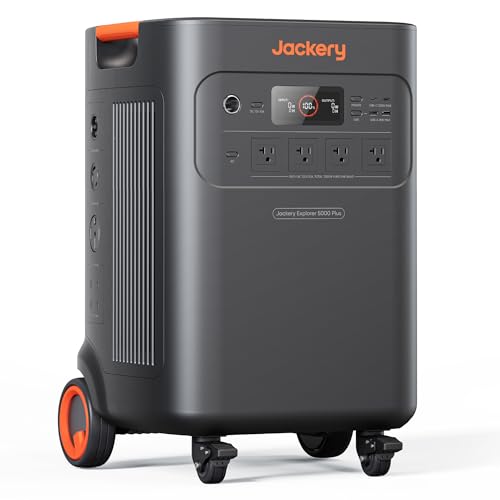 Best for large homes with 240V loadsJackery Explorer 5000 Plus Power StationView on Amazon
- 5
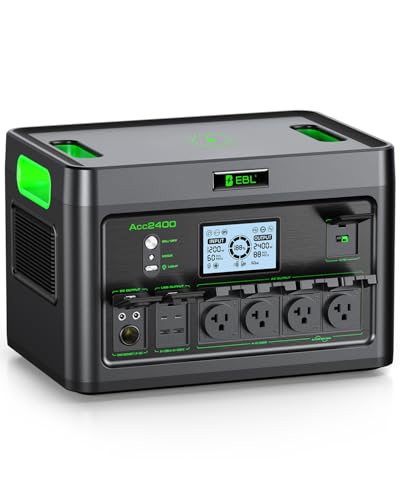 Best for many outletsEBL 2400W Portable Power StationView on Amazon
- 6
 Best budget pickJackery Explorer 300 Portable Power StationView on Amazon
- 7
 Best mid-range balanceJackery HomePower 3000 Portable Power StationView on Amazon
Our Top Picks
Quick Comparison
| Product | Best for | Key feature |
|---|---|---|
| Jackery HomePower 3600 Plus Power Station | Whole-essentials home backup | 3584Wh LFP battery, expandable to 21kWh |
| EF ECOFLOW Portable Power Station 3600Wh DELTA Pro | Whole-home expansion | 3600Wh base, expandable up to 25kWh |
| EF ECOFLOW Delta 3 Portable Power Station | Small apartments | 1024Wh LiFePO4, 1800W AC output |
| Jackery Explorer 5000 Plus Power Station | Large homes with 240V loads | 5040Wh, 120V/240V output, expandable to 60kWh |
| EBL 2400W Portable Power Station | Many outlets | 1843.2Wh LiFePO4, 12 outlets |
| Jackery Explorer 300 Portable Power Station | Budget backup | 292Wh LiFePO4 battery |
| Jackery HomePower 3000 Portable Power Station | Mid-range balance | 3072Wh LFP battery, 3600W AC output |
Jackery HomePower 3600 Plus Power Station
Jackery HomePower 3600 Plus Power Station, 3584Wh, 3600W AC Output | LFP Battery, Expandable to 21kWh, Solar Generator, Essential Home Backup for Home Use, Emergencies, RV (Solar Panel Optional)
Best for: Whole-essentials home backup with room to grow Best Portable Power Stations for Solar: 6 Compared goes further into this.
This unit suits households that want to power a refrigerator, lights, internet gear and a CPAP through multi-hour outages, and who may add storage later. It is positioned as an essential home backup unit rather than a camping battery.
Key specs
- 3584Wh capacity
- 3600W AC output
- LFP (lithium iron phosphate) battery
- Expandable to 21kWh per the listing
Pros
- Large capacity for multi-day essential loads
- LFP chemistry supports a long cycle life
- Expansion path for longer outages
Cons
- Heavy enough that it is best kept in one place
- Solar panels are sold separately
Bottom line: A strong first choice for homeowners who want one unit that can cover essentials and grow with their needs.
View on AmazonEF ECOFLOW Portable Power Station 3600Wh DELTA Pro
EF ECOFLOW Portable Power Station 3600Wh DELTA Pro, 120V 3600W AC Output | 2.7H Fast Charge Power Station, Expandable up to 25kWh, Solar Generator for Home Use, Power Outage, Camping, RV, Emergencies
Best for: Whole-home expansion
Homeowners planning to back up more circuits over time, or who want a fast recharge, will find this model’s expansion design appealing. It fits households that expect long or repeated outages.
Key specs
- 3600Wh base capacity
- 120V, 3600W AC output
- Expandable up to 25kWh per the listing
- Listed fast-charge time of about 2.7 hours
Pros
- High expandability ceiling
- Fast recharge listed for a 3600Wh unit
- Suitable for both home and off-grid use
Cons
- Full expansion adds significant cost and weight
- Requires careful load planning to use the full output
Bottom line: Best for users who want a platform that can scale to whole-home coverage.
View on AmazonEF ECOFLOW Delta 3 Portable Power Station
EF ECOFLOW Delta 3 Portable Power Station, 1024Wh 1800W | LiFePO4 Battery, Full Charge in 56 Min, 1800W AC/100W USB-C Output, Solar Generator for Home Backup Power, Camping & RVs
Best for: Small kitchens and apartments
Renters and small households that need to keep a few essentials running, such as a router, a phone charger and a small fridge for short outages, will find this compact unit manageable to store and move.
Key specs
- 1024Wh LiFePO4 battery
- 1800W AC output
- 100W USB-C output
- Listed full-charge time of about 56 minutes
Pros
- Compact and easier to relocate than larger units
- Quick recharge for its capacity
- Useful USB-C port for small devices
Cons
- Capacity is too small for extended whole-home use
- Runtime on heavy loads such as space heaters is short
Bottom line: A good fit for apartments where the goal is to keep communications and a few small appliances going.
View on AmazonJackery Explorer 5000 Plus Power Station
Jackery Explorer 5000 Plus Power Station, 5040Wh, 7200W AC Output | LiFePO4, 120V/240V Output, Expandable to 60kWh, Essential Home Backup for Power Outages (Solar Panel Optional)
Best for: Large homes with 240V loads
Households with 240V appliances, such as an electric range or well pump, need a unit that can output split-phase power. This model’s 120V/240V configuration is aimed at that use.
Key specs
- 5040Wh capacity
- 7200W AC output
- 120V/240V output
- Expandable to 60kWh per the listing
Pros
- Supports 240V appliances
- Large capacity for extended outages
- Strong expansion ceiling
Cons
- Heavy and expensive to fully expand
- Requires a qualified electrician for any hardwired connection
Bottom line: The right choice for larger homes that need more than standard 120V outlets can provide.
View on AmazonEBL 2400W Portable Power Station
EBL 2400W Portable Power Station LiFePO4 Battery for Home Use | 1843.2Wh Solar Generator,Home Battery Backup,12 Outlets(2400W AC Outlets), USB-C PD 100W,2Hrs Quick Charge
Best for: Many outlets for multiple devices
This model suits households that need to plug in several devices at once across a room or two, and who want quick recharge from a standard source.
Key specs
- 1843.2Wh LiFePO4 battery
- 2400W AC output
- 12 outlets
- USB-C PD 100W port
Pros
- Many outlets for multi-device use
- LiFePO4 chemistry
- Listed fast 2-hour quick charge
Cons
- Capacity is modest for a full home
- Brand support and warranty terms vary by region, so check before buying
Bottom line: Worth considering when outlet count matters more than total runtime.
View on AmazonJackery Explorer 300 Portable Power Station
Jackery Explorer 300 Portable Power Station,292Wh | Backup LiFePO4 Battery, Solar Generator for Outdoors, Camping, Travel, Hunting, Blackout (Solar Panel Optional)
Best for: Budget backup for essentials
Anyone with a limited budget who needs to power a phone, a modem, LED lights or a small CPAP for a night or two will find this compact unit a practical starting point.
Key specs
- 292Wh LiFePO4 battery
- Compact, portable form factor
- Solar panel optional
Pros
- Low entry point for emergency backup
- Light enough to move between rooms
- LiFePO4 chemistry
Cons
- Too small to run a refrigerator for long
- Limited runtime for medical devices
Bottom line: A sensible starting point for short outages and essential devices.
View on AmazonJackery HomePower 3000 Portable Power Station
Jackery HomePower 3000 Portable Power Station, 3072Wh, 3600W AC Output | 7200W Surge, LFP Battery, Solar Generator, Essential Home Backup for Home Use, Power Outage (Solar Panel Optional)
Best for: Mid-range balance of capacity and cost
Households that want substantial capacity for refrigerators, lights and medical equipment without moving to the largest units will find this model a balanced option.
Key specs
- 3072Wh capacity
- 3600W AC output
- 7200W surge rating
- LFP battery
Pros
- Good capacity for the size
- High surge rating helps with motor loads
- LFP battery chemistry
Cons
- Heavy to move between rooms
- Solar panels sold separately
Bottom line: A solid mid-range pick for most single-family homes with essential backup needs.
View on AmazonBuying Guide
Usable capacity and runtime
Watt-hours (Wh) measure how much energy a unit stores. To estimate runtime, divide the unit’s Wh by the average watts your devices draw, then reduce the result by about 10 to 15 percent for conversion losses. A refrigerator averaging 100 watts on a 3000Wh unit gives roughly 25 to 27 hours before accounting for inefficiency.
Good picks for this: Jackery HomePower 3600 Plus Power Station, EF ECOFLOW Portable Power Station 3600Wh DELTA Pro
Continuous output and surge rating
Continuous output must cover the sum of your running loads. Surge rating matters for motors, such as a sump pump or well pump, that draw extra power at startup. Check both numbers against the appliance labels.
Good picks for this: Jackery HomePower 3000 Portable Power Station, EF ECOFLOW Delta 3 Portable Power Station
Battery chemistry
LiFePO4 and LFP batteries generally tolerate more charge cycles than standard lithium-ion, which matters for a unit that sits charged for years waiting for an outage. Many manufacturers list cycle life in their specifications.
Good picks for this: EBL 2400W Portable Power Station, Jackery Explorer 300 Portable Power Station
Outlets and voltage
Count the outlets you need and confirm whether any appliance requires 240V. Standard units output 120V, while a few larger models offer split-phase 120V/240V. Using 240V appliances on a 120V-only unit will not work.
Good picks for this: Jackery Explorer 5000 Plus Power Station, EBL 2400W Portable Power Station
Expandability
If you may need longer runtime later, look for a unit with battery expansion modules. Expansion adds capacity without replacing the base unit, but it also adds weight and cost, so plan the path before you buy.
Good picks for this: Jackery HomePower 3600 Plus Power Station, EF ECOFLOW Portable Power Station 3600Wh DELTA Pro
Recharge options
A wall outlet is the simplest recharge method, but a solar input can extend runtime during long outages. Check the maximum solar input wattage and the charge time from a standard outlet.
Good picks for this: EF ECOFLOW Delta 3 Portable Power Station, Jackery HomePower 3000 Portable Power Station
Portability and placement
Weight and handles determine how easily you can move a unit between rooms or into a garage. Keep it indoors, out of direct sun, and away from flooding. Ventilation matters because batteries warm during use.
Good picks for this: Jackery Explorer 300 Portable Power Station, EF ECOFLOW Delta 3 Portable Power Station
FAQ
How many watt-hours do I need for a home backup power station?
It depends on your critical loads. List each device, its wattage and how many hours you expect to run it, then add the totals. A rough essentials list of refrigerator, lights, router and phone charging often falls in the 1000 to 3000Wh range for a short outage.
Can a portable power station run a whole house?
Most portable units cannot run a whole house continuously. They are better suited to essential circuits. Whole-home coverage usually requires a larger expandable system with a transfer switch installed by a licensed electrician.
Will a home backup power station run a CPAP machine?
Many CPAP machines draw modest power, so a mid-size unit can often support them overnight. Check your device’s wattage rating and consult your sleep physician or equipment provider before relying on any backup for medical equipment.
How long does it take to recharge?
Recharge time depends on the unit’s input wattage and battery size. Manufacturers list fast-charge times, but actual times vary with the power source and temperature.
Is LiFePO4 better than other lithium batteries for backup?
LiFePO4 generally offers a longer cycle life and better thermal stability than many other lithium chemistries, which suits units that sit charged for long periods. It is heavier per watt-hour, though.
Do I need solar panels with a backup power station?
Solar is optional. Wall charging works during normal grid power, while solar can extend runtime during long outages. Solar panels are often sold separately, so check what is included.
Can I install a power station permanently in my home?
Portable units are designed to be moved, and any permanent connection to home wiring should be done by a licensed electrician to avoid backfeeding the grid. A transfer switch is the proper way to connect a backup source to household circuits.
Conclusion
For most homeowners, the Jackery HomePower 3600 Plus Power Station and the Jackery HomePower 3000 Portable Power Station offer strong capacity for essential loads. Households planning larger systems should look at the EF ECOFLOW Portable Power Station 3600Wh DELTA Pro for its expansion path, or the Jackery Explorer 5000 Plus Power Station if 240V appliances are involved. The EF ECOFLOW Delta 3 Portable Power Station and Jackery Explorer 300 Portable Power Station suit smaller homes and short outages, while the EBL 2400W Portable Power Station fits households that need many outlets. Calculate your critical loads first, then match that total to the unit that covers it with margin to spare.
Sources
- Guidance on home energy use, backup planning and understanding electricity loads (energy.gov)
- Consumer safety information on battery products and safe use of portable power equipment (cpsc.gov)
- Emergency preparedness guidance on planning for power outages at home (ready.gov)
Related reading
- Top 5 EcoFlow Power Stations with Solar Panel Options for Home Backup (2026)
- Jackery vs Bluetti vs Anker: Which Home Backup Power Station Fits Your Outages?
- Jackery vs Anker Power Station: Which Fits Your Home Backup Needs?
- Ecoflow Delta 2 vs Jackery 1000 V2: Which Power Station Fits Home Backup?
- Anker SOLIX C1000 vs Jackery 1000 V2: Which Backup Power Station Fits Your Home?
About Lauren Holland
Lauren Holland is part of our editorial team and reviews and edits our solar generators for home backup & emergencies guides, checking product details against manufacturer specifications and owner feedback.




