
 By Lauren Holland
Updated November 2026
A battery backup for home power outage can keep the refrigerator cold, a CPAP machine running overnight and a sump pump working when the grid goes down. The right unit depends on what you need to run, for how long, and whether you plan to recharge with solar. This list compares five portable power stations based on published specifications, brand reputation and the patterns owners commonly report, with an eye toward outage use: capacity in watt-hours, continuous AC output, surge handling for motors, charging options and expandability. Each pick is aimed at a different type of household.
Our top picks at a glance
- 1
 TOP CHOICEBest overallJackery HomePower 3600 Plus Power Station, 3584Wh, 3600W AC Output | LView on Amazon
- 2
 TOP CHOICEBest for small kitchensJackery Explorer 300 Portable Power Station,292Wh | Backup LiFePO4 BatView on Amazon
- 3
 TOP CHOICEBest for sump pump backupPECRON Portable Power Station F3000LFP, 3072Wh Solar Generator, 3600WView on Amazon
- 4
 Best budget pickLIBRIDS Portable Power Station 640Wh, 1200W Surge, Solar Generator 4 AView on Amazon
- 5
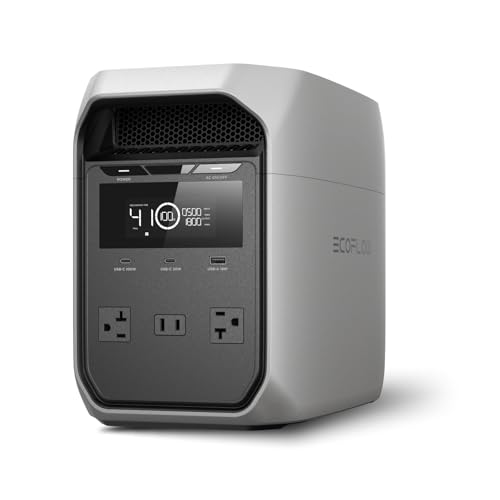 Best for fast rechargingEF ECOFLOW Portable Power Station Delta 3 Classic, 1024Wh 1800W AC | 3View on Amazon
Our Top Picks
Quick Comparison
| Product | Best for | Key feature |
|---|---|---|
| Jackery HomePower 3600 Plus | Whole-home and high-draw loads | 3584Wh capacity, 3600W AC output, expandable |
| Jackery Explorer 300 Portable Power Station | Small kitchens and essentials | 292Wh LiFePO4 battery, lightweight |
| PECRON Portable Power Station F3000LFP | Sump pumps and longer outages | 3072Wh, 3600W LiFePO4, expandable |
| LIBRIDS Portable Power Station 640Wh | Budget backup for a few devices | 640Wh, 1200W surge, 10ms UPS |
| EF ECOFLOW Portable Power Station Delta 3 Classic | Fast recharge and quick setup | 1024Wh, 1 hour fast charge, 10ms UPS |
Jackery Explorer 300 Portable Power Station,292Wh | Backup LiFePO4 Battery, Solar Generator for Outdoors, Camping, Travel, Hunting, Blackout (Solar Panel Optional)
Jackery Explorer 300 Portable Power Station,292Wh | Backup LiFePO4 Battery, Solar Generator for Outdoors, Camping, Travel, Hunting, Blackout (Solar Panel Optional)
Jackery Explorer 300 Portable Power Station
Best for: Small kitchens and essentials
This is a compact option for households that only need to keep a few low-draw items running, such as a refrigerator during a short outage, phone and laptop charging, LED lighting and a small fan.
Key specs:
- 292Wh LiFePO4 battery capacity
- Solar panel input is optional and sold separately
Pros:
- Light enough to move between rooms
- LiFePO4 chemistry generally tolerates many charge cycles
- Simple setup with few components
Cons:
- Capacity is too small to run a refrigerator for more than a few hours
- Not suited to sump pumps or electric heaters
Bottom line: Best for renters or small households who want a modest backup for essentials rather than whole-home coverage.
View on Amazon
Jackery HomePower 3600 Plus Power Station, 3584Wh, 3600W AC Output | LFP Battery, Expandable to 21kWh, Solar Generator, Essential Home Backup for Home Use, Emergencies, RV (Solar Panel Optional)
Jackery HomePower 3600 Plus Power Station, 3584Wh, 3600W AC Output | LFP Battery, Expandable to 21kWh, Solar Generator, Essential Home Backup for Home Use, Emergencies, RV (Solar Panel Optional)
Jackery HomePower 3600 Plus Power Station
Best for: Whole-home and high-draw loads
This unit is aimed at homeowners who want to power a refrigerator, lights, a CPAP machine and several circuits through an outage, with the option to add capacity later.
Key specs:
- 3584Wh capacity
- 3600W AC output
- Expandable to 21kWh with additional battery modules
Pros:
- Enough capacity for multi-day essential loads
- Expansion path as needs grow
- High continuous output for larger appliances
Cons:
- Heavy, so it is better suited to a fixed location
- Full expansion adds significant cost and setup planning
Bottom line: A strong fit for households that want serious home backup and may grow the system over time.
View on Amazon
PECRON Portable Power Station F3000LFP, 3072Wh Solar Generator, 3600W LiFePO4 Battery Home Backup, Fast Charging Power Station Expand Capacity to 10752Wh, Solar Generators for Home Use, Camping, RV
PECRON Portable Power Station F3000LFP, 3072Wh Solar Generator, 3600W LiFePO4 Battery Home Backup, Fast Charging Power Station Expand Capacity to 10752Wh, Solar Generators for Home Use, Camping, RV
PECRON Portable Power Station F3000LFP
Best for: Sump pumps and longer outages
Homes in flood-prone areas, or those with a sump pump and a freezer, often need more surge capacity and runtime than a small unit provides. This model is positioned for that kind of load.
Key specs:
- 3072Wh LiFePO4 battery
- 3600W AC output
- Expandable capacity listed up to 10752Wh
Pros:
- High output suitable for motor loads
- Large base capacity for overnight outages
- Expansion option for longer events
Cons:
- Considerable weight and footprint
- Requires a suitable charging source to recharge quickly
Bottom line: Good for homeowners whose main concern is keeping a sump pump running through extended storms.
View on Amazon
LIBRIDS Portable Power Station 640Wh, 1200W Surge, Solar Generator 4 AC | Backup LiFePO4 Battery, 1.5Hr Charge, 10ms UPS, 8 Ports, Pure Sine Wave Metal Design for RV Camping, Home Backup & Emergency
LIBRIDS Portable Power Station 640Wh, 1200W Surge, Solar Generator 4 AC | Backup LiFePO4 Battery, 1.5Hr Charge, 10ms UPS, 8 Ports, Pure Sine Wave Metal Design for RV Camping, Home Backup & Emergency
LIBRIDS Portable Power Station 640Wh
Best for: Budget backup for a few devices
For buyers who want a basic backup for phones, routers, lights and a small fan, this mid-sized unit offers a practical starting point without a large investment.
Key specs:
- 640Wh capacity
- 1200W surge rating
- 10ms UPS switchover listed
Pros:
- Multiple ports for simultaneous charging
- Pure sine wave output suits sensitive electronics
- Reasonable size for storage
Cons:
- Limited runtime for a refrigerator
- Brand has a shorter track record than some competitors
Bottom line: A sensible choice for light backup needs when keeping costs in check matters most.
View on Amazon
EF ECOFLOW Portable Power Station Delta 3 Classic, 1024Wh 1800W AC | 3600W Surge, 1 Hr Fast Charge, 100W USB-C Output, LiFePO4 Battery, 10ms UPS Solar Generator for Home Backup, Camping & RVs
EF ECOFLOW Portable Power Station Delta 3 Classic, 1024Wh 1800W AC | 3600W Surge, 1 Hr Fast Charge, 100W USB-C Output, LiFePO4 Battery, 10ms UPS Solar Generator for Home Backup, Camping & RVs
EF ECOFLOW Portable Power Station Delta 3 Classic
Best for: Fast recharge and quick setup
Households that expect frequent short outages and want to top up quickly between events may find the fast charging useful.
Key specs:
- 1024Wh LiFePO4 battery
- 1800W AC output, 3600W surge
- 1 hour fast charge and 10ms UPS function listed
Pros:
- Quick recharge times
- Good surge handling for small motors
- USB-C output for modern devices
Cons:
- Capacity is modest for multi-day outages
- Limited expansion compared with larger systems
Bottom line: Best for people who want a balanced mid-range unit that recharges fast between outages.
View on AmazonBuying Guide
Capacity in Watt-Hours
Add up the wattage of what you plan to run and multiply by hours of use. A refrigerator averaging 150W for 8 hours uses about 1,200Wh per day, so a 640Wh unit would only cover roughly half a day. Remember that inverter losses reduce usable capacity, often by 10 to 15 percent.
Good picks for this: Jackery HomePower 3600 Plus, PECRON Portable Power Station F3000LFP
Continuous Output and Surge Rating
Continuous wattage must cover your running loads together. Motors, such as a sump pump or well pump, need a higher surge rating at startup. Check both numbers on the spec sheet.
Good picks for this: PECRON Portable Power Station F3000LFP, EF ECOFLOW Portable Power Station Delta 3 Classic
Battery Chemistry and Lifespan
LiFePO4 batteries are commonly specified with higher cycle counts than some older lithium-ion designs, which matters for regular use or solar cycling. Check the rated cycle life the manufacturer publishes.
Good picks for this: Jackery Explorer 300 Portable Power Station, LIBRIDS Portable Power Station 640Wh
Recharging Options
Wall charging is fastest, while solar is slower and depends on panel wattage and sunlight. Decide whether you need a unit that recharges in an hour or one that can be topped up from panels after a storm.
Good picks for this: EF ECOFLOW Portable Power Station Delta 3 Classic, Jackery HomePower 3600 Plus
Expandability
If you may want more runtime later, check whether extra battery modules are available for the model. Expansion can be more economical than buying a second full unit.
Good picks for this: Jackery HomePower 3600 Plus, PECRON Portable Power Station F3000LFP
Size and Portability
Units with several kilowatt-hours of capacity are heavy. Plan where the unit will live, how you will move it and whether it can stay near outlets and the circuits you want to power.
Good picks for this: Jackery Explorer 300 Portable Power Station, LIBRIDS Portable Power Station 640Wh
Safe Use and Connection
Never backfeed a home circuit through a standard outlet. Use a properly installed transfer switch or power inlet, and keep the unit ventilated and dry. Electrical work should be done by a licensed electrician.
Good picks for this: Jackery HomePower 3600 Plus, EF ECOFLOW Portable Power Station Delta 3 Classic
FAQ
How long will a battery backup run a refrigerator?
It depends on the refrigerator’s energy use and the battery’s usable capacity. A typical fridge may draw roughly 1 to 2 kWh per day, so a 1000Wh-class unit might cover part of a day, while a 3000Wh-class unit could cover a couple of days for the fridge alone.
Can a portable power station run a CPAP machine overnight?
Many CPAP machines draw modest power, so a mid-sized unit may run one for a full night. Check your machine’s rated wattage and consult your sleep specialist or equipment supplier before relying on backup.
Can a battery backup run a sump pump?
Yes, if the unit has enough continuous output and surge capacity for the pump’s motor. Confirm the pump’s starting current and choose a unit rated above it.
Do I need solar panels for a home backup battery?
Not always. Solar extends runtime during long outages, but a unit can be recharged from the grid before an event. Solar input is usually sold separately.
Is a power station safe to use indoors?
Most units are designed for indoor use with good ventilation, but they should be kept dry and away from heat sources. Follow the manufacturer’s manual and local fire codes.
Can I connect a battery backup directly to my breaker box?
Connecting to household wiring requires a transfer switch or interlock installed by a licensed electrician. Never plug a generator or power station into a wall outlet to feed power backward into the grid.
Conclusion
For whole-home coverage, the Jackery HomePower 3600 Plus and PECRON Portable Power Station F3000LFP offer the most capacity and output. For sump pump and longer outages, the PECRON model is the stronger match. The Jackery Explorer 300 suits small essentials, the LIBRIDS 640Wh fits a light budget, and the EF ECOFLOW Delta 3 Classic is worth considering if fast recharging matters most. Match capacity and surge rating to your actual loads before you buy.
Sources
- Guidance on home energy use, backup power planning and efficiency (energy.gov)
- Consumer safety information on portable generators and battery-powered equipment (cpsc.gov)
- Fire safety standards and guidance for electrical equipment and backup power (nfpa.org)
Related reading
- Jackery vs Bluetti vs Anker: Which Home Backup Power Station Fits Your Outages?
- 6 Best Tesla Home Backup Power Options for Outages (2026)
- 3 Best Power Backup Inverters for Home Picks for Outages (2026)
About Lauren Holland
Lauren Holland is part of our editorial team and reviews and edits our solar generators for home backup & emergencies guides, checking product details against manufacturer specifications and owner feedback.





