
 By Lauren Holland
Updated November 2026
Power outages rarely arrive at a convenient time, and a portable power station for home backup can keep the essentials running while the grid is down. This guide compares seven models from Jackery, EBL, EcoFlow and Anker. We weighed battery capacity in watt-hours, continuous AC output, surge rating, charging speed, battery chemistry and the kinds of loads owners most often report running, such as refrigerators, CPAP machines, Wi-Fi routers and sump pumps.
Our top picks at a glance
- 1
 TOP CHOICEBest overallJackery HomePower 3600 Plus Power StationView on Amazon
- 2
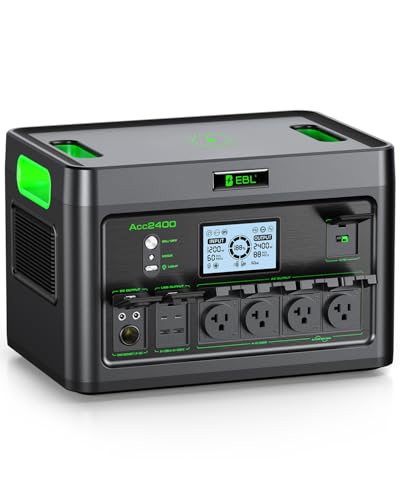 TOP CHOICEBest for whole-room backupEBL 2400W Portable Power Station LiFePO4 Battery for Home UseView on Amazon
- 3
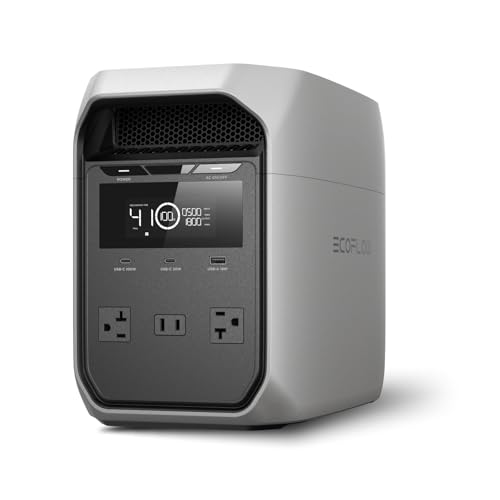 TOP CHOICEBest for fast rechargingEF ECOFLOW Portable Power Station Delta 3 ClassicView on Amazon
- 4
 Best for a balanced home setupEF ECOFLOW Delta 3 Portable Power StationView on Amazon
- 5
 Best for CPAP and small loadsJackery Explorer 1000 v2 Portable Power StationView on Amazon
- 6
 Best budget pickJackery Explorer 300 Portable Power StationView on Amazon
- 7
 Best compact optionAnker SOLIX C300 DC Portable Power StationView on Amazon
Our Top Picks
Before choosing, it helps to know how much energy your critical loads use. For a deeper look at that math, see Solar Panel Size Calculator for Portable Power Stations. For a broader list of options, Best Portable Power Stations covers more brands and sizes.
Quick Comparison
| Product | Best for | Key feature |
|---|---|---|
| Jackery HomePower 3600 Plus Power Station | Best overall | 3600W AC output, expandable battery capacity |
| EBL 2400W Portable Power Station LiFePO4 Battery for Home Use | Best for whole-room backup | 2400W AC output with 12 outlets |
| EF ECOFLOW Portable Power Station Delta 3 Classic | Best for fast recharging | One-hour fast charge and 10ms UPS switching |
| EF ECOFLOW Delta 3 Portable Power Station | Best for a balanced home setup | Full charge in about 56 minutes |
| Jackery Explorer 1000 v2 Portable Power Station | Best for CPAP and small loads | 50-minute fast charge and 10ms UPS |
| Jackery Explorer 300 Portable Power Station | Best budget pick | 292Wh LiFePO4 battery |
| Anker SOLIX C300 DC Portable Power Station | Best compact option | 288Wh LiFePO4 battery in a small body |
Jackery HomePower 3600 Plus Power Station
Jackery HomePower 3600 Plus Power Station, 3584Wh, 3600W AC Output | LFP Battery, Expandable to 21kWh, Solar Generator, Essential Home Backup for Home Use, Emergencies, RV (Solar Panel Optional)
Best for: Best overall
This is the model for households that want to run heavier appliances, such as a window air conditioner or electric range circuit, during an extended outage. It is designed around whole-home essentials rather than camping loads.
Key specs
- 3584Wh capacity
- 3600W AC output
- LFP (lithium iron phosphate) battery
- Expandable to 21kWh per the product name
Pros
- Large capacity covers multi-day outages for core loads
- High continuous output handles larger appliances
- Expandable design allows capacity to grow over time
Cons
- Substantial size and weight make it less portable
- Likely more than most apartment or small-home setups need
Bottom line: Choose this if you need serious capacity and expect to power more than a few small devices during longer outages.
View on AmazonEBL 2400W Portable Power Station LiFePO4 Battery for Home Use
EBL 2400W Portable Power Station LiFePO4 Battery for Home Use | 1843.2Wh Solar Generator,Home Battery Backup,12 Outlets(2400W AC Outlets), USB-C PD 100W,2Hrs Quick Charge
Best for: Best for whole-room backup
Suited to homeowners who want to run several outlets at once, such as a refrigerator, lights, a router and a phone charger, without switching loads on and off.
Key specs
- 1843.2Wh capacity
- 2400W AC output
- 12 outlets
- USB-C PD 100W output
Pros
- Multiple outlets reduce the need for extension cords
- High output supports a broad mix of household loads
- LiFePO4 chemistry is known for long cycle life
Cons
- Runtime on heavy loads is shorter than the headline capacity suggests
- Owners should verify outlet and surge behavior with their own appliances
Bottom line: A good match for households that want broad outlet coverage for everyday backup rather than a single high-draw appliance.
View on AmazonEF ECOFLOW Portable Power Station Delta 3 Classic
EF ECOFLOW Portable Power Station Delta 3 Classic, 1024Wh 1800W AC | 3600W Surge, 1 Hr Fast Charge, 100W USB-C Output, LiFePO4 Battery, 10ms UPS Solar Generator for Home Backup, Camping & RVs
Best for: Best for fast recharging
This model suits people who want to restore a depleted battery quickly between outages, or who may need to recharge from a wall outlet on short notice.
Key specs
- 1024Wh capacity
- 1800W AC output, 3600W surge
- 1 hour fast charge
- 100W USB-C output
- 10ms UPS switching
Pros
- Fast charging shortens recovery time
- 10ms UPS switching helps sensitive electronics ride through a transfer
- Surge rating handles motor startup loads
Cons
- Capacity is modest for multi-day outages on large loads
- Expansion options are more limited than the larger Jackery model
Bottom line: Pick this if quick recharging and clean switchover matter more to you than maximum runtime.
View on AmazonEF ECOFLOW Delta 3 Portable Power Station
EF ECOFLOW Delta 3 Portable Power Station, 1024Wh 1800W | LiFePO4 Battery, Full Charge in 56 Min, 1800W AC/100W USB-C Output, Solar Generator for Home Backup Power, Camping & RVs
Best for: Best for a balanced home setup
A middle-ground option for households that want backup for a refrigerator, medical device and lighting, with a charging time that fits a typical day.
Key specs
- 1024Wh capacity
- 1800W AC output
- Full charge in about 56 minutes
- 100W USB-C output
Pros
- Balanced capacity and output for common household loads
- Quick full recharge when grid power returns
- LiFePO4 battery supports long service life
Cons
- Not sized for whole-home or high-wattage appliances
- Runtime on refrigerators depends heavily on compressor cycling
Bottom line: A sensible default for many households covering a fridge, lights and devices through short-to-medium outages.
View on AmazonJackery Explorer 1000 v2 Portable Power Station
Jackery Explorer 1000 v2 Portable Power Station, 1024Wh LiFePO4 Battery | 1500W (3000W Peak), 50-Min Fast Charge, 10ms UPS Solar Generator for Home Emergency, Camping & RV.
Best for: Best for CPAP and small loads
Owners often pick this size when the main job is keeping a CPAP machine, router and lights running overnight.
Key specs
- 1024Wh LiFePO4 battery
- 1500W continuous output, 3000W peak
- 50-minute fast charge
- 10ms UPS switching
Pros
- Fast charging and UPS switching suit medical devices
- Moderate size is easier to move than larger units
- Peak rating handles brief motor startup spikes
Cons
- Not suited to high-draw appliances like electric heat
- Check your CPAP’s actual wattage before relying on runtime estimates
Bottom line: A strong choice for light medical and household loads. Confirm device needs with your provider if you rely on life-support equipment.
View on AmazonJackery Explorer 300 Portable Power Station
Jackery Explorer 300 Portable Power Station,292Wh | Backup LiFePO4 Battery, Solar Generator for Outdoors, Camping, Travel, Hunting, Blackout (Solar Panel Optional)
Best for: Best budget pick
A smaller entry point for people who mainly need to power phones, lights, a laptop or a small fan during short outages.
Key specs
- 292Wh LiFePO4 battery
- Optional solar panel compatibility
Pros
- Light and easy to store
- Good fit for minimal-load backup
- LiFePO4 chemistry for durability
Cons
- Limited capacity for refrigerators or CPAP over long outages
- Runtime is short for anything beyond basic electronics
Bottom line: Best for small budgets and very limited loads, not for running a fridge through a multi-day event.
View on AmazonAnker SOLIX C300 DC Portable Power Station
Anker SOLIX C300 DC Portable Power Station, 288Wh, 300W, Outdoor Camping | 288Wh LiFePO4 Battery, 300W Solar Generator for UPS, Travel, and Emergency Use (No Wall Charger Included)
Best for: Best compact option
A small unit for apartments or anyone who wants backup power that fits in a closet or under a desk.
Key specs
- 288Wh LiFePO4 battery
- 300W output
Pros
- Compact footprint
- LiFePO4 battery chemistry
- Works as a UPS for small electronics
Cons
- Output is too low for most refrigerators or sump pumps
- No wall charger included, so you need to buy one separately
Bottom line: A practical choice for keeping electronics and lights alive, but not a full home backup solution.
View on AmazonBuying Guide
Battery capacity and watt-hours
Watt-hours (Wh) tell you how much energy the unit stores. Multiply a load’s wattage by the hours you need it to run to estimate consumption. A 100W refrigerator that cycles on about half the time may draw roughly 1.2kWh per day, so plan capacity around that figure. Remember that real output is lower than rated capacity because of conversion losses.
Good picks for this: Jackery HomePower 3600 Plus Power Station, EBL 2400W Portable Power Station LiFePO4 Battery for Home Use
Continuous output and surge rating
Continuous wattage is what the unit can supply indefinitely. Surge (or peak) rating covers the brief spike motors draw at startup. Sump pumps and some compressors need a surge several times their running watts, so check the label on your appliance before buying.
Good picks for this: EF ECOFLOW Delta 3 Portable Power Station, Jackery Explorer 1000 v2 Portable Power Station
Recharging speed
Fast charging matters if you expect back-to-back outages or want to recover quickly after one. Check whether the unit can also recharge from solar, and whether it accepts AC input at a useful rate. Our guide to Home Backup With a Solar Generator: What It Can Power and How to Connect Safely explains connection options in more detail.
Good picks for this: EF ECOFLOW Portable Power Station Delta 3 Classic, Jackery Explorer 1000 v2 Portable Power Station
Battery chemistry and safety
LiFePO4 (lithium iron phosphate) batteries are widely used in home backup units because they are generally considered more thermally stable than some other lithium chemistries and tend to offer long cycle life. Review how the battery is managed and what protections are built in. For background, see Lithium Battery Safety for Portable Power Stations.
Good picks for this: Jackery Explorer 300 Portable Power Station, Anker SOLIX C300 DC Portable Power Station
Outlets and transfer switching
Count the outlets you need and check whether the unit provides UPS-style switching, which moves load to battery within milliseconds. This matters for medical devices and computers. Connecting a portable unit to your home wiring should be done with a licensed electrician and an appropriate transfer switch, not by back-feeding a generator inlet.
Good picks for this: EBL 2400W Portable Power Station LiFePO4 Battery for Home Use, EF ECOFLOW Delta 3 Portable Power Station
Size and portability
Heavier units with bigger batteries are harder to move up stairs or into a basement during a storm. Think about where the unit will live, whether it needs to go indoors, and whether you will move it often.
Good picks for this: Anker SOLIX C300 DC Portable Power Station, Jackery Explorer 300 Portable Power Station
Expandability and solar compatibility
Some systems accept additional battery modules or solar input, which lets you grow capacity over time. Confirm which accessories are sold separately and whether they are included with your purchase.
Good picks for this: Jackery HomePower 3600 Plus Power Station, Jackery Explorer 300 Portable Power Station
FAQ
Can a portable power station run a whole house?
Most portable units cannot power an entire house continuously. They are better at running selected circuits or essential loads. Whole-home backup usually requires a much larger system and professional installation.
How long will a refrigerator run on a portable power station?
It depends on the refrigerator’s average draw, which is far lower than its startup surge because the compressor cycles. Many owners estimate runtime by checking the appliance’s energy label and dividing battery watt-hours by average daily use. Results vary widely, so treat any estimate as a rough guide.
Is a CPAP machine safe to run on battery backup?
Many CPAP machines draw modest power, but requirements vary by model and humidifier settings. Confirm the device’s wattage with your equipment provider and consult your medical provider before relying on backup for therapy during an outage.
What is the difference between a portable power station and a generator?
A portable power station stores energy in a battery and runs silently with no fuel or exhaust, though its runtime is limited by capacity. A gas generator produces power continuously while fueled but emits noise and fumes and must be operated outdoors.
Can I recharge a portable power station with solar panels?
Many units accept solar input through compatible panels. Charging speed depends on panel wattage, sunlight and the unit’s input limits. Our article on Solar Panel Size Calculator for Portable Power Stations shows how to match panels to a battery.
Do I need an electrician to connect a portable power station to my home?
Plugging appliances directly into the unit is simple. Connecting it to your home’s electrical panel requires a proper transfer switch or interlock installed by a licensed electrician to prevent backfeeding the grid, which can endanger utility workers.
How should I store a portable power station between outages?
Keep it indoors in a cool, dry place away from direct sun. Check the manufacturer’s recommended storage charge level and recharge periodically, since lithium batteries self-discharge slowly over time.
Conclusion
No single portable power station for home backup suits every household. The Jackery HomePower 3600 Plus Power Station fits homes that need large capacity and high output. The EBL 2400W model suits households wanting many outlets. EcoFlow’s Delta 3 options balance fast charging and everyday loads, while the Jackery Explorer 1000 v2 suits lighter medical and household needs. The Jackery Explorer 300 and Anker SOLIX C300 are better for minimal electronics and tight spaces. Match capacity and output to your actual loads, confirm surge requirements, and check with a professional before any permanent connection.
Sources
- Guidance on home energy use, backup planning and battery technologies (energy.gov)
- Consumer safety information on portable batteries and home electrical products (cpsc.gov)
- Fire safety standards and guidance for backup power and lithium batteries (nfpa.org)
About Lauren Holland
Lauren Holland is part of our editorial team and reviews and edits our solar generators for home backup & emergencies guides, checking product details against manufacturer specifications and owner feedback.





