
 By Emily Parker
Updated November 2026
The ecoflow delta max battery line is aimed at households that need more than a few hours of backup power. If you want to run a refrigerator, a CPAP machine, a sump pump, and some lights through a multi-day outage, this type of portable power station fits well. It is a poor match if you only need to charge phones or a laptop, or if you cannot store a heavy unit somewhere safe and ventilated. The product reviewed here is the EF EcoFlow DELTA 3 MAX Plus with Extra Battery, a 4096Wh unit with 3000W maximum output and expansion options. Buyers who want a large, expandable home backup source with fast recharging will likely find it useful. Buyers on a tight budget, those who need only short runtimes, or anyone who wants a compact device to carry on trips may be better served by a smaller model.

EF ECOFLOW DELTA 3 MAX Plus with Extra Battery, 4096Wh, 3000W Max Output | Expandable Capacity Up to 10kWh, Fast 0–80% Recharge in 64mins, Portable Power Station for Home Backup & RV Camping
Product Overview
The EcoFlow DELTA 3 MAX Plus is a portable power station built around a lithium iron phosphate (LiFePO4) battery. Its listing describes 4096Wh of stored energy, a 3000W maximum AC output, and expandable capacity up to 10kWh when paired with compatible extra batteries. The listing also states a fast 0–80% recharge time of about 64 minutes under the conditions EcoFlow specifies. In practice, that means the unit is designed to work as a whole-home or critical-circuit backup source rather than a simple charger for small electronics.
Power stations of this class generally combine an inverter, several AC outlets, USB and DC ports, and a battery management system. The DELTA 3 MAX Plus is positioned for home backup and RV camping, which is a common pairing for units with large batteries and high surge capacity. Because the battery is the core of the system, buyers often think of the ecoflow delta max battery line as the energy reserve they add to, and the expansion battery as the way to grow that reserve over time.
It is worth understanding how the unit fits into a backup plan. A power station stores energy from a wall outlet, a vehicle, or solar panels, then delivers it through its inverter. Its real-world runtime depends on what you connect and how much power each device draws. A refrigerator running at a steady average load will last far longer than a space heater or an electric stove, which can drain a battery in minutes.
Key Features & Specifications
The table below lists specifications stated in the product name or widely associated with this model. Confirm final details against the listing before buying, since configurations can change.
| Feature | Specification |
|---|---|
| Stored energy | 4096Wh |
| Maximum AC output | 3000W |
| Expandable capacity | Up to 10kWh with compatible extra batteries |
| Fast recharge | 0–80% in about 64 minutes (manufacturer figure) |
| Battery chemistry | LiFePO4 (lithium iron phosphate) |
| Intended uses | Home backup, RV camping |
| Included in listing | Extra battery (per listing title) |
A few points deserve attention. The 4096Wh rating means the unit can theoretically supply 4096 watt-hours before its battery is fully drained, though usable energy is lower after conversion losses and the battery management system’s reserve. LiFePO4 chemistry is generally valued for its long cycle life and thermal stability compared with some other lithium chemistries. The expandable capacity figure assumes compatible add-on batteries, so the ecoflow delta max battery ecosystem matters if you plan to grow your system later.
Pros & Cons
Pros
- Large 4096Wh stored energy suits multi-hour or overnight outages for a short list of critical loads.
- 3000W maximum output covers most household appliances, including refrigerators and many pump motors, when their startup surge is within limits.
- Expansion support up to 10kWh lets you start with one unit and add capacity later.
- Manufacturer-stated fast recharge time reduces the gap between outages or solar sessions.
- LiFePO4 chemistry is commonly associated with long service life and good safety characteristics.
Cons
- Large batteries of this size are heavy and difficult to move, which limits portability.
- Full expansion requires additional purchases, and total cost rises quickly as you add capacity.
- High-draw appliances such as electric dryers, electric ranges, and central air conditioners will drain it far faster than the headline capacity suggests.
- Requires adequate ventilation and a dry, temperature-stable location for indoor storage.
- The fast-recharge figure depends on charging conditions that you may not always have during an outage.
Performance Analysis
Performance for a unit like this comes down to three things: how much energy you can actually use, how quickly the output can handle surges, and how well it recharges between events. Start with usable energy. A 4096Wh battery does not give you 4096Wh of appliance time. Inverter conversion losses, the reserved capacity that protects the battery, and the efficiency of each device all reduce the total. As a planning rule, many people assume roughly 80–90% of rated capacity is usable, but you should verify this against your own loads.
A simple runtime estimate looks like this. Suppose a refrigerator averages 150 watts over a day, which equals 3.6 kWh per day. A 4096Wh unit would not cover a full day of refrigerator use plus other loads with much margin. However, if you run only the refrigerator and a few LED lights, the average draw might be closer to 200 watts total, giving roughly a day of runtime at reduced reserve. Real figures vary by appliance age, climate, and how often the door opens. Use a watt-hour calculator and your appliances’ nameplate ratings or a plug-in power meter to get a realistic number.
Surge capacity matters for motor-driven loads. A sump pump, a well pump, or a window air conditioner can draw several times its running wattage for a fraction of a second on startup. The 3000W continuous rating gives room for many of these, but you should check each appliance’s starting wattage against the unit’s specifications. Owners of power stations in this class often report that the inverter handles typical household surges well, while large heating elements remain the main source of disappointment because they consume energy at a rate that makes long runtimes impossible.
Recharging is the third factor. A manufacturer-stated 64-minute 0–80% recharge time is quick by portable power station standards, but it depends on the charging input available. Wall charging is usually the fastest route. Solar charging depends on panel wattage, sun angle, and weather. Owners generally report that solar recharge takes many hours even with a capable array, so plan for slower recovery if your backup depends on sunlight.
Thermal behavior and longevity are reasonable to expect from LiFePO4 chemistry, but both still depend on operating temperature and charge habits. Keeping the unit out of direct sun, avoiding storage in very hot or freezing spaces, and following the manufacturer’s charge and discharge guidance will do more for long-term health than any specification sheet.
Who Should Buy This Product?
This product suits households that want a substantial, expandable backup source for critical loads. It makes sense for a family with a medical device such as a CPAP machine, a home with a sump pump in a flood-prone area, or a homeowner who wants to keep a refrigerator and freezer running through a multi-day outage. It is also a reasonable choice for RV users who want high capacity and do not need to move the battery often.
Skip this product if your needs are modest. If you only want to charge phones, run a laptop, or power a small fan during short outages, a smaller and lighter unit will cost less in total and be easier to store. Skip it too if you plan to run electric heating or cooking appliances through a long outage, since these will exhaust even a large battery quickly. Finally, skip it if you cannot provide a safe indoor location or if you have no realistic way to recharge it between events.
Buying Guide
Before buying an ecoflow delta max battery system, list the appliances you need to run and their wattage. Note the running draw and the startup surge for motor-driven items. Then decide how many hours of backup you want for each load. Multiply watts by hours to get watt-hours, add a margin for conversion losses, and compare the total to the unit’s stored energy. This calculation tells you whether a single unit is enough or whether you need expansion.
Think about charging options too. A unit that recharges quickly from the wall is useful for planned outages and cloudy stretches. If you plan to add solar, check that the input limits of the station match the panels you intend to use. Also consider physical space. Large batteries are heavy, so decide where the unit will sit and who will move it.
If the DELTA 3 MAX Plus is more than you need, or if you want a different route to capacity, consider these well-known alternatives:
- EF EcoFlow Portable Power Station DELTA 3 MAX Plus Extra Battery, 2048Wh – a smaller add-on option for owners who want to expand a compatible system in steps.
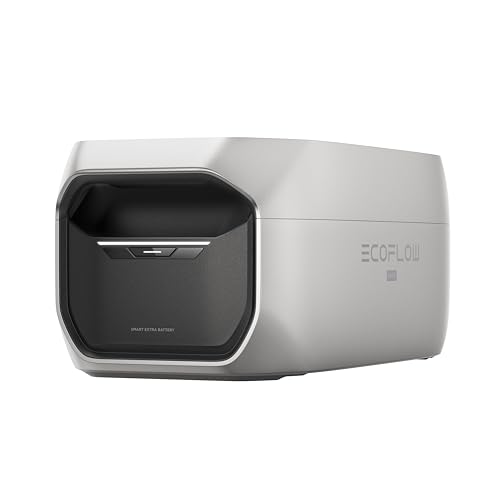
EF ECOFLOW Portable Power Station DELTA 3 MAX Plus Extra Battery, 2048Wh | LiFePO4 Expansion Battery for Power Station DELTA 3 Max Plus and DELTA 3 Ultra Plus
- EF EcoFlow Extra Battery Expansion Adapter – a connector that links two smart extra batteries with a single cable, useful when you are building out a larger configuration.

EF ECOFLOW Extra Battery Expansion Adapter | Connects Two Smart Extra Batteries with a Single Cable, Expanding the Capacity of Delta 3 Max Plus and Delta 3 Ultra Plus
For sizing help and setup details, see Ecoflow Delta 3 Max Plus Smart Extra Battery: Sizing Your Backup Runtime (2026), EcoFlow Delta 3 Max Plus Extra Battery Review: Is It Worth It?, and Ecoflow Delta 3 Max vs Max Plus: A Practical Guide (2026).
FAQ
How long will a 4096Wh battery run a refrigerator?
It depends on the refrigerator’s energy use and how often it is opened. A typical modern refrigerator may average somewhere in the range of 100–200 watts over a day, which could mean roughly one to two days of runtime from a 4096Wh unit when no other loads are connected. Check your appliance’s rated daily energy use on its label or energy guide for a better estimate.
Can it run a CPAP machine overnight?
Many CPAP machines draw modest power, so a unit of this size can often run one for a full night and beyond. Confirm your machine’s wattage and battery specifics with your equipment supplier. If you rely on medical equipment, consult your doctor or equipment provider about backup planning.
What does the expandable capacity mean?
The listing states support for expansion up to 10kWh when paired with compatible extra batteries. You start with the base unit and add batteries over time. Confirm which expansion batteries are compatible before purchase.
How long does it take to recharge?
The listing gives a 0–80% recharge time of about 64 minutes under specified conditions. Actual recharge time depends on the input source and conditions. Solar recharging generally takes longer.
Can I use it with solar panels?
Yes, power stations in this class typically accept solar input. Check the input wattage limits and connector types against your panels before buying, and confirm the details in the product manual.
Is LiFePO4 battery chemistry safer?
LiFePO4 is generally regarded as having good thermal stability and long cycle life compared with some other lithium chemistries. No battery is risk-free, so follow the manufacturer’s guidance on charging, storage temperature, and ventilation. For installation questions involving home wiring, consult a licensed electrician.
Can it power an entire house?
Not for long periods. A 3000W output can handle many household loads at once, but energy is the limit. Whole-home use across a full day typically requires far more stored energy than a single unit provides. Focus on critical circuits and essential appliances.
Related reading
- Ecoflow Delta 2 Max Ups: How to Use It as a Home Battery Backup (2026)
- Ecoflow Delta 2 Max Smart Extra Battery: A Practical Guide (2026)
- Ecoflow Delta 2 Max 4800w Battery Generator: How to Size It for Home Backup
- EcoFlow Delta 2 Max Extra Battery Review: Is It Worth It?
About Emily Parker
Emily Parker is part of our editorial team and reviews and edits our solar generators for home backup & emergencies guides, checking product details against manufacturer specifications and owner feedback.





