By Emily Parker
Updated November 2026
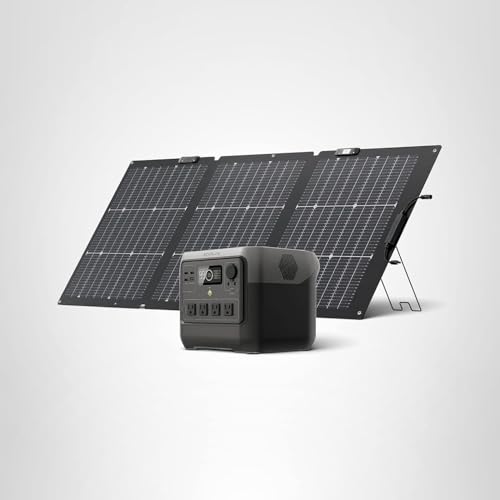
The ecoflow river mini portable power station is a compact battery generator that can keep small essentials running during a power cut. To know whether it will work for you, you need to match its watt-hour capacity and output limits against what you plan to run. This guide walks through that math so you can estimate runtime before an outage happens.
Understand the Two Numbers That Matter
Every portable power station is rated in two ways. Watt-hours (Wh) describe how much energy the battery holds, and watts (W) describe how much power the outlets can deliver at one time. Manufacturers specify both, and you need to check both. A device can have enough stored energy but still be unable to start a motor if its output rating is too low.
Shopping for one? See our guide: 3 Best Ef Ecoflow Portable Power Station River 2 Pros (2026): Our Picks.
Start by listing each device you want to run, its wattage from the label or manual, and how many hours per day it runs. Motors and compressors often draw a surge when they start, so leave headroom above the running wattage.
Calculate Your Real Runtime
Use this simple formula to estimate runtime for a single device:
Runtime (hours) = Battery Wh × 0.85 ÷ Device watts
The 0.85 factor accounts for conversion losses in the inverter, which is a common rule of thumb for battery systems. Here is an example using a typical household load:
| Device | Approximate running watts | Estimated runtime on a 256 Wh battery |
|---|---|---|
| Phone charging | 10–20 W | Many charges over a day |
| CPAP machine (typical) | 30–60 W | Roughly 4–7 hours |
| Small LED lamp | 5–10 W | Over 20 hours |
| Mini fridge (compressor cycling) | 50–80 W average | Roughly 3–4 hours of run time |
These are estimates. Check your own device labels, because a CPAP’s rated draw and your actual settings can differ. Always confirm final numbers with the device manufacturer or a qualified electrician if you rely on medical equipment.
Plan for Fridge, CPAP and Sump Pump Loads
Each of these loads behaves differently. A refrigerator cycles on and off, so its average draw is lower than its peak, but the startup surge matters. A CPAP is steady and low-wattage, which makes it one of the more practical loads for a small unit. A sump pump needs a burst of power each time it activates, so a small battery may cover only a few cycles.
If you plan to run several of these at once, add the average watts first, then check that the combined startup surge stays within the output rating. A basic overview of how battery stations are built and why capacity limits runtime is covered in Ecoflow River 2 Pro Portable Power Station: What It Runs and How Long (2026), which applies the same logic to a similar model.
Match the Unit to Your Outage Plan
Once you know your total daily energy need, compare it to the battery size. If your critical loads add up to more than the battery can supply for your expected outage length, you have three options: reduce the load, add capacity, or recharge during the outage. Recharging usually depends on solar input or a vehicle outlet, so confirm which options your setup supports. For sizing guidance on larger systems, see Ecoflow Home Power Station: How to Size One for Outages (2026) and Ecoflow River 3 Plus Portable Power Station: How to Size It for Outages.
Common Mistakes
- Using the battery capacity without applying the conversion-loss factor, which overstates runtime.
- Ignoring startup surge from refrigerators and sump pumps.
- Assuming a phone-charging estimate applies to all devices.
- Running the battery to zero regularly, which can shorten its service life.
- Forgetting to recharge the unit between outages.
Recommended Gear
- Plug-in watt meter: Measures what each device actually draws, so your calculation uses real numbers instead of label estimates. View on Amazon
- Solar panel for portable power stations: Can extend runtime on multi-day outages when the sun is available. View on Amazon
FAQ
Can the ecoflow river mini portable power station run a refrigerator?
It may run a small refrigerator for a few hours, depending on the fridge’s average draw and the unit’s output rating. Check the fridge’s label wattage and expected startup surge before relying on it.
How long will it power a CPAP machine?
Runtime depends on the CPAP’s wattage and your settings. Use the formula in this guide with your device’s rated draw to estimate hours, and confirm with your medical provider.
Is it enough to run a sump pump?
It can run a sump pump for limited cycles, but startup surges reduce how many times it can activate. Consult a professional electrician if flooding risk is high.
Conclusion
The ecoflow river mini portable power station can cover small, steady loads during an outage when you size it with watt-hour math. Add up your critical devices, apply the conversion factor, and leave room for startup surges. Careful planning now means fewer surprises when the power goes out.
Related reading
- Ecoflow Delta Pro Portable Power Station Review: Is It Worth It?
- Ecoflow Delta Pro 3 Portable Backup Power Station System: A Practical Guide (2026)
- Ecoflow Delta 3 Plus Portable Power Station Review (2026)
- EcoFlow Delta 2 Max Portable Power Station Review: Features and Performance
Ready to choose one?
About Emily Parker
Emily Parker is part of our editorial team and reviews and edits our solar generators for home backup & emergencies guides, checking product details against manufacturer specifications and owner feedback.