By Emily Parker
Updated November 2026
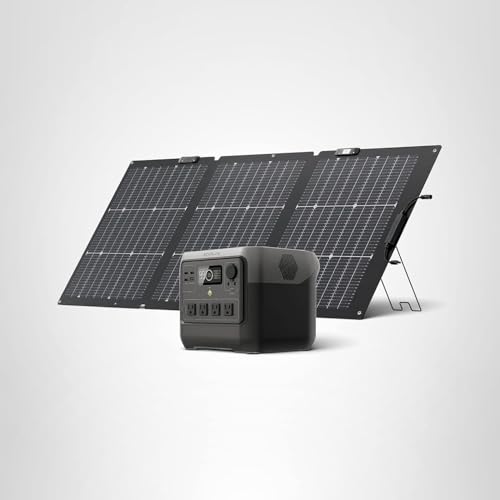
The EcoFlow River 2 Pro 768Wh is a portable power station with about 768 watt-hours of usable battery capacity. In this guide, you will learn how to estimate how long that energy lasts for the devices you care about most during a power cut. The short answer depends on wattage and time, so the steps below walk through the math.
Step 1: List the Devices You Need to Run
Start with only the loads that matter during an outage. Common priorities include a refrigerator, a CPAP machine, a sump pump, a router, phone chargers, and a few LED lights. Skip space heaters, electric ranges, and central air, since those draw far more power than a unit this size can supply for long.
Shopping for one? See our guide: 3 Best Ef Ecoflow Portable Power Station River 2 Pros (2026): Our Picks.
For each device, find its rated wattage on the label or in the manual. If you only see amps and volts, multiply them to get watts. Manufacturers often list a running wattage and a higher startup surge, so note both when they appear.
Step 2: Convert Wattage Into Watt-Hours
Watt-hours tell you how much energy a device uses over time. Multiply the device’s average wattage by the number of hours you expect to run it. A refrigerator that averages 100 watts over a 24-hour day uses about 2,400 watt-hours, which is more than three times this unit’s capacity. Real fridges cycle on and off, so their actual average draw is usually lower, but you should still measure or estimate it.
Step 3: Estimate Runtime for Your Loads
Divide the usable capacity by your total load in watts to get a rough runtime in hours. Power stations never deliver every watt-hour they store, because inverters and conversion lose some energy, so plan on using roughly 80 to 90 percent of the rated figure. The table below shows illustrative estimates for common loads.
| Load | Approximate Average Draw | Rough Runtime on 768Wh |
|---|---|---|
| CPAP machine | 30 to 60 W | Often 12 hours or more |
| Wi-Fi router and modem | 15 to 20 W | Well over a day |
| Phone and laptop charging | Varies | Several recharge cycles |
| Refrigerator (cycling) | Roughly 50 to 100 W average | About 8 to 15 hours |
| Sump pump (1/3 HP) | Around 800 W while running | Only short bursts, depends on pump cycles |
These numbers are estimates. Measure actual draw with a plug-in watt meter when possible, because a fridge that is opened often or sits in a warm room will run longer than the average suggests.
Step 4: Plan Recharging and Backup Options
A 768Wh battery covers a single overnight outage for a few essential loads, but multi-day outages need a recharge source. Wall charging is the simplest option when the grid is back, and solar input extends runtime during longer events. Check the input limits in the official specifications before pairing any panel, since exceeding them can damage the unit.
If you need more capacity, you can compare add-on batteries. See our guide to 4 Best Ecoflow River Pro Extra Battery Options for Home Backup (2026) for expansion ideas, and review Ecoflow River 2 Pro Guide: Runtime, Charging and Backup Sizing for more sizing detail.
Common Mistakes
- Counting the full rated capacity as usable energy, when conversion losses reduce it noticeably.
- Ignoring startup surge from motors like sump pumps and compressors.
- Running high-draw appliances such as space heaters or microwaves alongside essential loads.
- Forgetting that a fridge runs intermittently, so measure it over a full day rather than assuming constant draw.
- Skipping the manual; check Ecoflow River 2 Pro Manual: Where to Find It and How to Use It Safely (2026) for safe operating limits.
Recommended Gear
- Plug-in watt meter: Shows the real draw of each appliance so your runtime math uses measured numbers. View on Amazon
- Heavy-duty power strip with surge protection: Lets you connect several low-draw devices to one outlet without overloading the station. View on Amazon
FAQ
Can the EcoFlow River 2 Pro 768Wh run a refrigerator overnight?
Often yes, for a standard refrigerator that cycles on and off, depending on its size and how often the door is opened. Measure the fridge’s real draw to confirm the estimate before relying on it.
Is 768Wh enough for a CPAP machine?
Many CPAP machines draw a modest amount of power, so a single night is commonly achievable. Confirm your machine’s wattage and consult your sleep provider or medical supplier about backup needs.
Does the battery run a sump pump during a flood?
It can power a sump pump in short bursts, but motor startup surges are demanding. Check the pump’s rated draw and plan for limited runtime during heavy water events.
Conclusion
To estimate runtime, list your essential devices, convert their wattage into watt-hours, and divide the usable capacity by your total load. Build in a margin for conversion losses and startup surges. Measuring real draw makes the result far more reliable than a rough guess.
Related reading
- 3 Best EcoFlow River 2 Pro Solar Generator Options for Home Backup (2026)
- Solar Panels for EcoFlow Delta Pro: How to Choose and Connect Them (2026)
Ready to choose one?
About Emily Parker
Emily Parker is part of our editorial team and reviews and edits our solar generators for home backup & emergencies guides, checking product details against manufacturer specifications and owner feedback.